Navigating the Green Grid: US Renewable Energy Interconnection Policies 2026
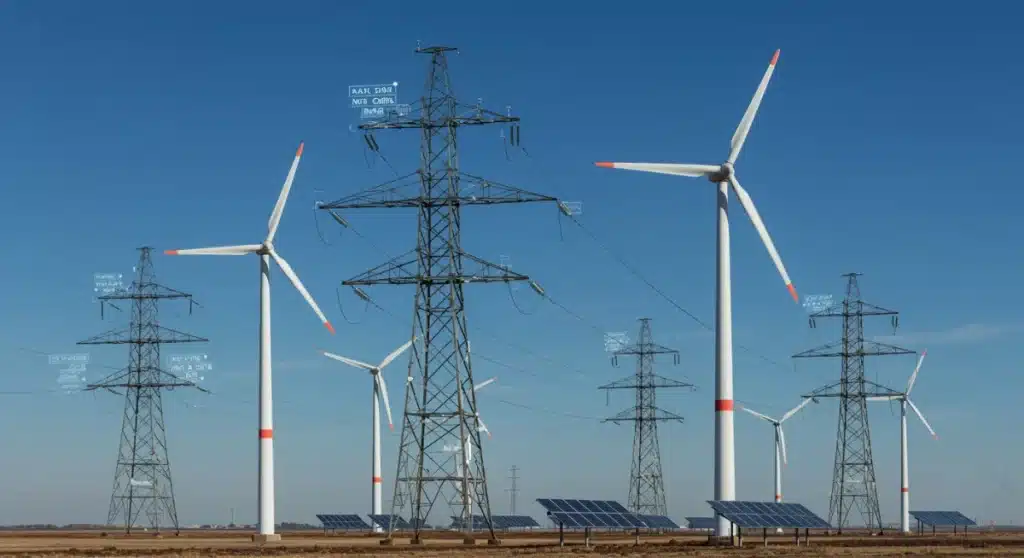
The U.S. is implementing significant updates to its renewable energy interconnection policies, effective January 2026, aiming to streamline grid integration and accelerate the transition to a sustainable energy future.
As the United States pushes towards a more sustainable energy future, understanding the evolving regulatory landscape is paramount. The latest updates to US renewable interconnection policies, set to take effect in January 2026, represent a pivotal shift in how renewable energy projects connect to the national grid. These changes are designed to address longstanding challenges, accelerate project deployment, and ensure grid reliability, fundamentally reshaping the green energy sector for years to come.
The evolving landscape of US renewable interconnection
The journey towards a fully integrated green grid is complex, marked by technological advancements and regulatory hurdles. For years, renewable energy developers have faced significant challenges in connecting their projects to the existing transmission infrastructure. These challenges often include lengthy approval processes, high costs, and a lack of clear, standardized guidelines across different regions. The upcoming 2026 policy updates aim to tackle these issues head-on, creating a more predictable and efficient pathway for renewable energy sources.
These policy changes are not merely incremental; they represent a fundamental rethinking of how the U.S. approaches grid modernization. They reflect a growing national commitment to decarbonization and a recognition that a robust, adaptable grid is essential for meeting future energy demands. Developers, policymakers, and consumers alike will need to understand the nuances of these changes to effectively navigate the new green energy landscape.
Historical context and the need for reform
Historically, the U.S. electricity grid was designed for large, centralized fossil fuel power plants. Integrating distributed and intermittent renewable sources like solar and wind has exposed the limitations of this traditional model. The queue for interconnection requests has grown exponentially, leading to project delays and cancellations. This backlog has directly hindered the country’s ability to meet its climate goals.
- Outdated grid infrastructure: Many parts of the grid were not built to handle bidirectional power flow or the variability of renewables.
- Inconsistent state and regional regulations: A patchwork of rules created confusion and inefficiency for developers operating across different jurisdictions.
- Lack of transparency: The process for evaluating and approving interconnection requests often lacked clarity, leading to disputes and delays.
The previous framework, while functional for its time, no longer aligns with the urgent need for rapid renewable energy deployment. The reform efforts are a direct response to these systemic issues, seeking to modernize the grid and streamline the interconnection process to unlock the full potential of renewable energy.
In essence, the evolving landscape of US renewable interconnection is driven by both necessity and ambition. The 2026 policies are set to be a game-changer, addressing the historical shortcomings and paving the way for a more resilient and sustainable energy system.
Key provisions of the 2026 interconnection policy updates
The upcoming policy updates introduce several critical provisions designed to overhaul the current interconnection process. These changes are comprehensive, touching upon everything from technical requirements to financial obligations, with the overarching goal of accelerating renewable project integration. Understanding these specific provisions is crucial for anyone involved in the renewable energy sector, from project developers to grid operators.
One of the most significant aspects of these updates is the move towards more standardized and transparent procedures. This aims to reduce the variability and complexity that have long plagued developers, allowing for clearer planning and faster execution of projects. The goal is to create a level playing field and foster innovation within the green energy market.
Standardized queue processes and cluster studies
A major bottleneck in the past has been the ‘first-come, first-served’ approach to interconnection queues, which often led to speculative projects occupying valuable queue positions and delaying viable ones. The new policies introduce a ‘cluster study’ approach, where multiple projects in a similar geographic area are studied together. This allows for a more efficient assessment of their collective impact on the grid.
- Reduced study times: By grouping projects, studies can be completed more quickly and efficiently.
- Fairer cost allocation: Costs for grid upgrades are distributed more equitably among projects within a cluster.
- Improved grid planning: Cluster studies provide a holistic view of grid needs, leading to more strategic infrastructure investments.
This shift is expected to significantly reduce the backlog of interconnection requests, making the process more predictable and less costly for developers. It also encourages a more collaborative approach among project proponents.
Increased financial certainty and cost allocation
Uncertainty regarding the cost of necessary grid upgrades has been a major deterrent for renewable energy investments. The 2026 policies aim to provide greater financial certainty by establishing clearer guidelines for how these costs are estimated and allocated. This includes mechanisms to ensure that costs are borne by those who benefit most from the upgrades, rather than disproportionately falling on individual renewable projects.
These financial adjustments are critical for attracting further investment into the renewable sector. By providing a more stable economic environment, developers can better assess project viability and secure financing. The provisions also emphasize proactive grid planning, where transmission owners are encouraged to invest in upgrades that benefit the entire system, rather than waiting for individual project requests.
The key provisions of the 2026 interconnection policy updates are designed to create a more streamlined, predictable, and financially viable pathway for renewable energy projects. These changes are poised to accelerate the transition to a cleaner energy grid.
Impact on renewable energy project development
The new US renewable interconnection policies are expected to have a profound impact on the pace and scale of renewable energy project development. By addressing long-standing challenges in grid access, these updates could unlock a wave of new projects, accelerating the nation’s transition away from fossil fuels. Developers are keenly observing these changes, anticipating both opportunities and new requirements.
Greater clarity and efficiency in the interconnection process mean that projects can move from conception to operation much faster. This not only reduces development costs but also allows companies to respond more dynamically to market demands and policy incentives. The overall effect should be a more robust and competitive renewable energy market.
Accelerated project timelines and reduced risks
With standardized procedures and the introduction of cluster studies, project developers can expect significantly faster review and approval times. This reduction in the interconnection queue backlog directly translates into quicker project deployment. Furthermore, clearer cost allocation mechanisms will mitigate financial risks that previously plagued many renewable ventures.
- Faster time to market: Reduced delays mean projects can generate revenue sooner.
- Lower development costs: Less time spent in the queue translates to lower carrying costs and administrative expenses.
- Enhanced investor confidence: Greater predictability and reduced risk profiles make renewable projects more attractive to investors.
These improvements create a more favorable environment for innovation and investment, encouraging both established players and new entrants to pursue renewable energy development more aggressively.
Challenges and adaptation for developers
While the policies offer numerous benefits, they also present new challenges and require adaptation from developers. The shift to cluster studies, for instance, necessitates a more collaborative approach and potentially different project planning strategies. Developers will need to be proactive in understanding the new technical requirements and engaging with grid operators.
Furthermore, the increased focus on grid modernization may lead to new technical standards or equipment requirements. Developers must ensure their projects are designed to meet these evolving specifications, which could involve investments in advanced inverters, energy storage, or other grid-enhancing technologies. Staying informed and adaptable will be key to success under the new regime.
Ultimately, the 2026 policy updates are set to reshape the landscape of renewable energy project development. While requiring some adaptation, the overarching goal is to create a more efficient and predictable path for bringing clean energy online.
Grid modernization and reliability enhancements
Beyond simply connecting more renewable projects, the 2026 US renewable interconnection policies are deeply intertwined with broader efforts to modernize the national electricity grid. A grid capable of handling a high penetration of variable renewable energy sources must be more intelligent, flexible, and resilient than ever before. These policy updates include provisions aimed squarely at enhancing grid reliability and operational efficiency.
Modernizing the grid involves upgrading physical infrastructure, implementing advanced control systems, and integrating innovative technologies like energy storage. The policies encourage these developments by providing clearer pathways for their inclusion in interconnection plans and by emphasizing the need for a holistic approach to grid management.
Advanced inverter requirements and grid services
A significant technical change introduced by the new policies is the mandate for advanced inverter functionality for new renewable generating facilities. Traditional inverters primarily convert DC power from solar panels or wind turbines to AC power for the grid. Advanced inverters, however, can provide crucial grid services such as voltage support, frequency regulation, and fault ride-through capabilities.
- Improved grid stability: Advanced inverters help maintain stable voltage and frequency, even with high renewable penetration.
- Enhanced fault recovery: They can help the grid recover more quickly from disturbances, preventing widespread outages.
- Greater operational flexibility: Grid operators gain more tools to manage the dynamic nature of renewable generation.
These requirements are essential for ensuring that new renewable projects contribute positively to grid stability, rather than posing challenges. They represent a move towards a more active role for renewable generation in grid operations.
The role of energy storage in grid reliability
Energy storage technologies, particularly batteries, are increasingly recognized as vital components for a reliable green grid. The 2026 policies acknowledge this by facilitating the interconnection of standalone storage projects and hybrid projects (renewables plus storage). Storage can absorb excess renewable energy during periods of high generation and discharge it when demand is high or renewable output is low, effectively firming up intermittent resources.
By integrating storage more seamlessly into the interconnection process, the policies help mitigate the variability challenges of renewables. This enhances the overall reliability of the grid, reduces the need for fossil fuel peaker plants, and allows for more efficient use of transmission capacity. The emphasis on storage is a clear signal of its critical role in the future energy mix.
In conclusion, the 2026 interconnection policies are not just about connecting renewables; they are about building a smarter, more resilient grid capable of supporting a clean energy economy.
Regulatory frameworks and stakeholder collaboration
The success of the 2026 US renewable interconnection policies hinges not only on their technical provisions but also on the strength of their regulatory frameworks and the effectiveness of stakeholder collaboration. Implementing such widespread changes requires clear guidance from regulatory bodies and active participation from all parties involved, including utilities, developers, and state agencies.
Regulatory bodies, such as the Federal Energy Regulatory Commission (FERC), play a crucial role in overseeing the implementation and ensuring compliance. Their guidance helps to standardize practices across different regions and resolve disputes that may arise during the transition. Effective collaboration ensures that the policies are practical and address real-world challenges.
FERC’s role in policy enforcement and guidance
FERC is the primary federal agency responsible for regulating interstate transmission of electricity and approving new interconnection rules. The 2026 policy updates stem largely from FERC directives aimed at modernizing the grid and accelerating renewable integration. FERC will be instrumental in providing ongoing guidance, clarifying ambiguities, and enforcing the new regulations.
- Issuing clarifying orders: FERC will likely release further guidance documents to help utilities and developers interpret the new rules.
- Resolving disputes: The commission will serve as an arbiter in cases where interconnection agreements become contentious.
- Monitoring compliance: FERC will oversee whether utilities are adhering to the new timelines and procedures for interconnection.
The agency’s proactive involvement is essential for ensuring a smooth and equitable transition to the updated framework. Their oversight provides a critical layer of accountability.
Importance of state and regional coordination
While FERC sets federal guidelines, electricity markets and grid operations are often managed at the state and regional levels by various grid operators (e.g., ISOs and RTOs). Effective implementation of the new interconnection policies requires strong coordination between federal mandates and state-specific regulations and planning processes. Harmonizing these different levels of governance is key to avoiding fragmentation and ensuring consistent application of the rules.
Stakeholder collaboration, involving utilities, renewable energy developers, environmental groups, and consumer advocates, is also vital. Open dialogue and feedback mechanisms can help identify unforeseen challenges and refine implementation strategies. This collaborative approach fosters buy-in and ensures that the policies are both effective and equitable for all parties.
The regulatory and collaborative aspects of the 2026 interconnection policies are as important as the technical ones, ensuring a cohesive and well-managed transition to a greener grid.
Economic implications and investment opportunities
The updated US renewable interconnection policies are poised to generate significant economic implications and unlock substantial investment opportunities across the green technology sector. By streamlining the process of connecting renewable projects to the grid, these policies create a more favorable environment for capital deployment, job creation, and economic growth.
Investors are always looking for certainty and efficiency, and these policies aim to provide just that. Reduced project risks and clearer pathways to market will likely attract both domestic and international capital, fueling innovation and expansion in renewable energy infrastructure. This ripple effect will benefit various sectors, from manufacturing to construction and technology.
Increased investment in transmission infrastructure
A direct consequence of the accelerated renewable deployment will be a heightened need for investment in transmission infrastructure. The new policies encourage proactive planning and upgrades to the grid to accommodate more renewable energy. This means significant capital will be directed towards:
- New transmission lines: Building out the grid to reach remote renewable energy sites.
- Substation upgrades: Enhancing existing substations to handle increased power flows.
- Smart grid technologies: Investing in advanced sensors, controls, and communication systems for a more intelligent grid.
These investments will create numerous jobs in engineering, construction, and manufacturing, providing a significant economic boost. They also ensure the long-term reliability and efficiency of the electricity system.
Job creation and economic growth in green sectors
The expansion of renewable energy projects, facilitated by improved interconnection, will naturally lead to a surge in job creation. This includes not only direct jobs in renewable project development, installation, and maintenance but also indirect jobs in supporting industries. The manufacturing sector, for example, will see increased demand for solar panels, wind turbine components, and battery storage systems.
Furthermore, the increased availability of clean energy at potentially lower costs can stimulate economic growth by reducing operational expenses for businesses and improving energy security. The U.S. aims to position itself as a global leader in green technology, and these policies are a crucial step in achieving that goal, fostering innovation and attracting skilled talent.
The economic implications of the 2026 interconnection policies are overwhelmingly positive, driving investment and job growth while advancing the nation’s clean energy agenda.
Preparing for January 2026: next steps for stakeholders
With the January 2026 effective date for the new US renewable interconnection policies fast approaching, all stakeholders must begin preparing now to ensure a smooth transition. Proactive engagement and strategic planning are essential to capitalize on the opportunities presented by these updates and to mitigate any potential challenges. The time for preparation is critical, as the changes will significantly alter operational procedures.
This period leading up to 2026 is an opportunity for companies and organizations to review their current practices, assess their readiness, and adapt their strategies to align with the new regulatory environment. Those who are well-prepared will be best positioned to thrive in the evolving green energy landscape.
Recommendations for renewable energy developers
For renewable energy developers, understanding the intricacies of the new cluster study process and advanced inverter requirements is paramount. It is advisable to:
- Review project pipelines: Assess existing and planned projects against the new interconnection rules.
- Engage with grid operators: Proactively communicate with transmission providers and regional grid authorities to understand local implementation details.
- Invest in technical expertise: Ensure engineering teams are up-to-date on advanced inverter functionality and grid service requirements.
- Collaborate with peers: Explore opportunities for joint development or participation in cluster studies with other developers.
Early engagement and strategic adjustments to project planning can significantly reduce future delays and costs. Developers should also stay informed about any further guidance or clarifications issued by FERC.
Actions for utilities and grid operators
Utilities and grid operators have a critical role in implementing these policies effectively. Their actions will directly influence the speed and success of renewable integration. Key steps include:
- Updating internal processes: Revise interconnection study procedures, data management systems, and cost allocation methodologies to align with the new rules.
- Investing in workforce training: Ensure staff are trained on the new technical requirements and operational protocols.
- Proactive grid planning: Develop long-term transmission expansion plans that anticipate future renewable growth and integrate advanced technologies.
- Enhancing communication: Establish clear communication channels with developers and regulatory bodies to facilitate a transparent and efficient process.
The transition to the new policies represents a significant undertaking, but with proper planning and collaboration, the U.S. can successfully navigate this transformation towards a more sustainable and reliable energy future.
| Key Policy Area | Brief Description |
|---|---|
| Cluster Study Approach | Group multiple projects for joint interconnection studies, speeding up processes and improving cost allocation. |
| Advanced Inverter Mandate | Requires new renewables to use inverters capable of providing essential grid stability services. |
| Financial Certainty | Clearer rules for estimating and allocating grid upgrade costs, reducing risk for developers. |
| Energy Storage Integration | Facilitates the connection of standalone and hybrid energy storage projects to enhance grid reliability. |
Frequently asked questions about US renewable interconnection policies
The main goal is to streamline and accelerate the process of connecting renewable energy projects to the U.S. electricity grid. This aims to reduce interconnection queues, lower costs for developers, and enhance overall grid reliability to support a cleaner energy future.
Previously, projects were studied individually in a ‘first-come, first-served’ queue. Cluster studies group multiple projects in a similar area for a single, comprehensive impact assessment, leading to faster study times and more equitable cost allocation for necessary grid upgrades.
Advanced inverters are devices that not only convert power but also provide essential grid services like voltage and frequency support. They are required to improve grid stability, especially with increasing amounts of variable renewable energy sources, ensuring a more resilient and reliable power system.
By providing greater financial certainty and more equitable cost allocation for grid upgrades, the policies aim to reduce the overall financial risk and potential costs for renewable energy developers. This could lead to more competitive pricing for clean energy.
Developers should review their project pipelines, engage proactively with grid operators, invest in technical expertise for advanced inverter requirements, and consider collaborative approaches for cluster studies. Staying informed about FERC’s ongoing guidance is also crucial for successful adaptation.
Conclusion
The updates to US renewable interconnection policies, effective January 2026, mark a transformative moment for the nation’s energy future. These comprehensive changes are designed to dismantle existing barriers, streamline project integration, and significantly accelerate the deployment of renewable energy across the grid. By fostering greater efficiency, transparency, and financial certainty, the policies are set to unlock unprecedented investment and innovation in the green technology sector. While requiring diligent preparation and adaptation from all stakeholders, the ultimate outcome promises a more resilient, reliable, and sustainable electricity grid, propelling the United States closer to its ambitious clean energy goals.