Smart Grid Technology US: 10% Energy Efficiency by 2026
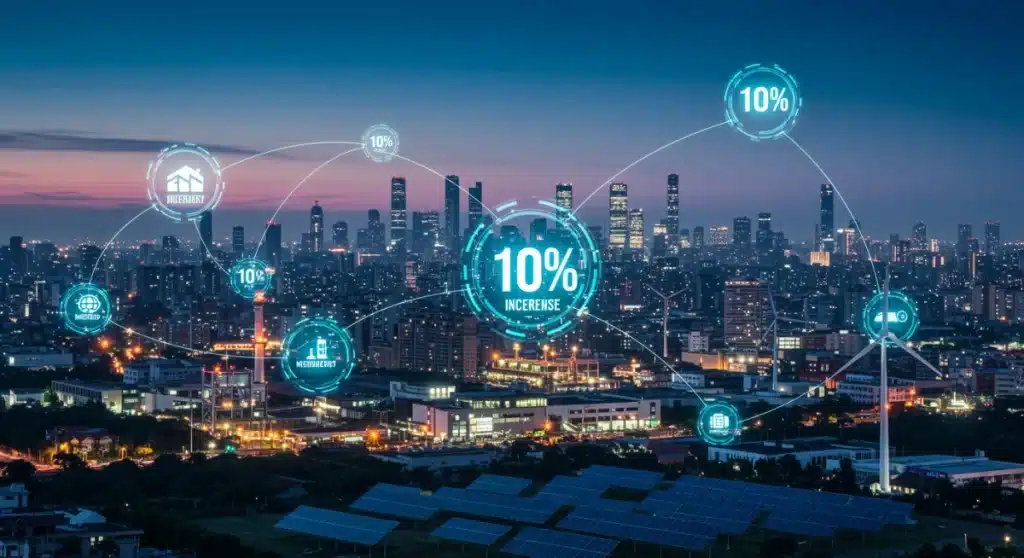
Smart grid technology updates in the U.S. are projected to enhance business energy efficiency by 10% by mid-2026, delivering significant operational savings and contributing to a more sustainable energy infrastructure.
The energy landscape in the United States is undergoing a profound transformation, driven by advancements in digital infrastructure and a growing commitment to sustainability. At the heart of this evolution is smart grid technology in the U.S., a sophisticated system designed to modernize our electrical networks. This technology promises not only greater reliability but also a significant boost in energy efficiency for businesses across the nation.
Understanding the Evolution of Smart Grid Technology
The concept of a smart grid represents a radical departure from traditional, one-way power distribution systems. It integrates advanced digital technologies with the electrical grid, allowing for two-way communication between utilities and consumers. This fundamental shift enables real-time monitoring, control, and optimization of energy flow, leading to more efficient and resilient power delivery.
Historically, the grid was a static entity, designed to push electricity from large power plants to end-users. This model, while effective for its time, lacked the flexibility and intelligence needed to adapt to modern energy demands, the integration of renewables, and the imperative for energy conservation. The evolution to a smart grid addresses these challenges head-on.
Key Components Driving Smart Grid Innovation
Several technological pillars underpin the functionality of a smart grid, each playing a crucial role in its overall efficiency and responsiveness. These components work in concert to create a dynamic and interconnected energy ecosystem.
- Advanced Metering Infrastructure (AMI): These smart meters provide real-time data on energy consumption, enabling both utilities and businesses to make informed decisions about energy use.
- Sensors and Actuators: Deployed throughout the grid, these devices monitor conditions, detect faults, and allow for automated responses, minimizing outages and optimizing performance.
- Communication Networks: Secure and reliable communication pathways are essential for transmitting vast amounts of data across the grid, facilitating rapid decision-making and control.
- Data Analytics and Artificial Intelligence: Sophisticated algorithms process the massive datasets generated by smart grids, identifying patterns, predicting demand, and optimizing energy distribution.
The continuous development and deployment of these components are what make the smart grid a truly transformative force. By leveraging these innovations, the U.S. is not just upgrading its infrastructure; it’s building a smarter, more sustainable energy future. The ability to manage energy more intelligently will be paramount as we strive to meet ambitious efficiency targets.
Current Landscape: Smart Grid Updates Across the U.S.
The United States has been actively investing in smart grid infrastructure for over a decade, with significant progress made in various regions. These updates are not uniform, however, with some states and utilities leading the charge in adopting cutting-edge technologies and others gradually catching up. Federal initiatives and state-level mandates have played a critical role in accelerating this deployment.
From advanced sensors in urban centers to automated fault detection systems in rural areas, the grid is becoming increasingly intelligent. Major utilities are implementing comprehensive modernization programs, replacing aging equipment with smart alternatives, and integrating renewable energy sources at an unprecedented pace. This nationwide effort reflects a clear understanding of the benefits that a modernized grid can offer.
Regional Progress and Key Initiatives
Different parts of the U.S. are experiencing varying levels of smart grid adoption, often influenced by local energy policies, population density, and the prevalence of renewable energy generation. For instance, states like California and New York have been at the forefront, driven by ambitious climate goals and a high penetration of distributed energy resources.
- California: Known for its aggressive renewable energy targets, California has heavily invested in smart grid technologies to manage its fluctuating solar and wind power output, integrating large-scale battery storage and demand response programs.
- Texas: With its independent grid and significant wind energy capacity, Texas has focused on smart grid solutions that enhance grid stability and reliability, especially during extreme weather events.
- Northeast: States in the Northeast are upgrading their grids to improve resilience against severe storms, incorporating self-healing technologies and microgrids to enhance local energy independence.
These regional efforts are often supported by federal funding programs and regulatory frameworks that incentivize smart grid investments. The Department of Energy, for example, has provided grants for smart grid demonstration projects and research, fostering innovation and knowledge sharing across the industry. The cumulative effect of these initiatives is a more robust and responsive national energy infrastructure.
Projected Impact: Boosting Business Energy Efficiency by 10%
The most compelling promise of smart grid technology for businesses lies in its potential to dramatically improve energy efficiency. By mid-2026, projections indicate that these advancements could lead to a 10% increase in energy efficiency for commercial and industrial sectors in the U.S. This is not merely an incremental improvement; it represents a substantial leap forward with tangible economic and environmental benefits.
This projected efficiency gain stems from several factors. Real-time data from smart meters allows businesses to precisely monitor their energy consumption patterns, identifying areas of waste and opportunities for optimization. Automated systems can then adjust energy usage based on demand, pricing signals, and operational needs, minimizing unnecessary consumption.
Mechanisms for Efficiency Gains
The smart grid facilitates efficiency through various interconnected mechanisms that empower businesses to better manage their energy footprint. These mechanisms move beyond simple conservation and into sophisticated energy management.
- Demand Response Programs: Businesses can participate in programs where they reduce energy consumption during peak demand periods in exchange for financial incentives, alleviating strain on the grid and lowering their own costs.
- Optimized Energy Management Systems: Smart grid integration allows building management systems to automatically adjust HVAC, lighting, and other energy-intensive equipment based on occupancy, weather, and real-time energy prices.
- Reduced Transmission Losses: A smarter grid can route electricity more efficiently, minimizing line losses that occur during long-distance transmission, meaning more power reaches its intended destination.
- Integration of Distributed Energy Resources: Businesses can more effectively integrate their own on-site renewable energy generation (e.g., solar panels) and energy storage solutions, becoming prosumers rather than just consumers.
The cumulative effect of these mechanisms is a significant reduction in overall energy consumption and operational costs for businesses. This 10% efficiency boost is not just an aspiration; it is a measurable outcome driven by the intelligent management of energy resources enabled by smart grid technology.
Challenges and Solutions in Smart Grid Deployment
Despite the immense potential, the widespread deployment of smart grid technology in the U.S. is not without its challenges. These hurdles range from technical complexities and cybersecurity concerns to regulatory issues and the substantial capital investment required. Addressing these challenges effectively is crucial for realizing the full benefits of a modernized grid.
One primary concern is the interoperability of diverse systems and technologies from different vendors. Ensuring that all components of the smart grid can communicate seamlessly is vital for its optimal functioning. Another significant challenge is cybersecurity, as an interconnected grid presents a larger attack surface for malicious actors, necessitating robust protection measures.
Overcoming Obstacles for a Smarter Future
Innovators and policymakers are actively working on solutions to mitigate these challenges, ensuring that the smart grid can evolve securely and efficiently. Collaborative efforts between government, industry, and academia are key to developing comprehensive strategies.
- Standardization Efforts: Industry bodies and regulatory agencies are developing common standards and protocols to ensure interoperability between different smart grid technologies and equipment.
- Enhanced Cybersecurity Frameworks: Investing in advanced encryption, intrusion detection systems, and regular security audits are paramount to protect critical infrastructure from cyber threats.
- Regulatory Modernization: Governments are adapting existing regulations to support smart grid investments, incentivize innovation, and remove barriers to new technologies.
- Workforce Development: Training programs are being established to equip the current and future workforce with the specialized skills needed to operate and maintain complex smart grid systems.
By proactively tackling these challenges, the U.S. can accelerate the deployment of smart grid solutions, paving the way for a more resilient, efficient, and sustainable energy future. The commitment to innovation and collaboration will define the success of this ambitious undertaking.
Real-World Examples: Businesses Benefiting from Smart Grids
The theoretical benefits of smart grid technology are already translating into tangible results for businesses across various sectors. Companies that have embraced these advancements are seeing reductions in energy costs, improved operational efficiency, and a smaller carbon footprint. These real-world examples serve as powerful testaments to the transformative potential of smart grids.
From manufacturing plants optimizing their production schedules to commercial buildings intelligently managing their HVAC systems, the applications are diverse. These early adopters are gaining a competitive edge by leveraging data-driven insights to make smarter energy decisions, often leading to significant financial savings that can be reinvested into their core operations.
Case Studies in Energy Optimization
Examining specific instances where businesses have successfully implemented smart grid solutions provides a clear picture of the benefits realized.
- Large Retail Chains: Many national retail companies are using smart building technologies integrated with the grid to centrally manage lighting, heating, and cooling across hundreds of locations, resulting in substantial energy savings and reduced operational overhead.
- Industrial Manufacturers: Factories are deploying smart sensors and predictive analytics to monitor equipment energy usage in real-time, allowing them to schedule high-energy processes during off-peak hours or optimize machinery for maximum efficiency.
- Data Centers: These energy-intensive facilities are utilizing smart grid connections to implement dynamic cooling strategies and integrate renewable energy sources, significantly reducing their power consumption and improving reliability.
- Commercial Office Spaces: Modern office buildings are equipped with smart lighting and climate control systems that respond to occupancy and external conditions, minimizing wasted energy and creating more comfortable environments for employees.
These examples highlight how smart grid technology is not just for utilities; it is a powerful tool for businesses seeking to enhance their sustainability efforts, reduce costs, and improve their overall operational performance. The success stories are accumulating, demonstrating a clear path towards increased energy efficiency for the broader business community.
The Future Outlook: Beyond 2026 and a Sustainable Tomorrow
While the goal of a 10% energy efficiency boost for businesses by mid-2026 is ambitious, it represents just one milestone in the ongoing evolution of smart grid technology. The future outlook extends far beyond this immediate target, envisioning a fully integrated, highly resilient, and deeply sustainable energy ecosystem. Innovation in this space is relentless, promising even greater benefits in the years to come.
Looking ahead, we can anticipate a continued integration of artificial intelligence and machine learning to predict energy patterns with even greater accuracy, enabling proactive management of demand and supply. The role of distributed energy resources, such as rooftop solar and electric vehicle charging, will also expand, transforming consumers into active participants in grid management.
Emerging Trends and Long-Term Visions
Several key trends are shaping the long-term trajectory of smart grid development, pointing towards a future where energy is cleaner, more reliable, and universally accessible.
- Hyper-Personalized Energy Management: Advanced AI will allow for ultra-fine-tuned energy management at the individual building or even device level, maximizing efficiency based on real-time needs and preferences.
- Enhanced Grid Resilience: Further development of self-healing grid capabilities and microgrids will significantly reduce the impact of outages, ensuring continuous power supply even during extreme events.
- Decentralized Energy Markets: Blockchain technology and other innovations could facilitate peer-to-peer energy trading, allowing businesses and individuals to buy and sell excess renewable energy directly.
- Integration with Smart Cities: Smart grids will become foundational to smart city initiatives, supporting intelligent transportation, public services, and urban planning for more sustainable living environments.
The journey towards a fully modernized and sustainable energy infrastructure is complex, but the progress made with smart grid technology in the U.S. is undeniable. The projected efficiency gains for businesses by 2026 are a testament to this progress, setting the stage for an even more innovative and eco-friendly energy future.
| Key Point | Brief Description |
|---|---|
| Smart Grid Definition | Integration of digital tech with the electrical grid for two-way communication, real-time monitoring, and optimized energy flow. |
| 10% Efficiency Boost | Projected increase in energy efficiency for U.S. businesses by mid-2026 due to smart grid updates, leading to cost savings. |
| Key Technologies | AMI, sensors, communication networks, and AI are crucial for smart grid functionality and data-driven energy management. |
| Business Benefits | Reduced operational costs, improved reliability, integration of renewables, and enhanced sustainability for commercial sectors. |
Frequently Asked Questions About Smart Grid Technology
Smart grid technology integrates digital communication and control systems into the electricity network. It enables two-way communication between utilities and consumers, allowing for real-time monitoring, automated responses, and optimized energy distribution, enhancing efficiency and reliability across the grid.
The 10% efficiency boost comes from real-time energy data, participation in demand response programs, optimized energy management systems in buildings, and reduced transmission losses. Businesses can make informed decisions and automate consumption based on pricing and operational needs, cutting waste.
Key components include Advanced Metering Infrastructure (AMI) for data collection, sensors and actuators for monitoring and control, secure communication networks for data transfer, and data analytics with AI to optimize energy flow and predict demand patterns effectively.
Challenges include ensuring interoperability among diverse systems, protecting against sophisticated cybersecurity threats, updating complex regulatory frameworks, and developing a skilled workforce to manage these advanced technologies. Addressing these is crucial for successful implementation.
Businesses can prepare by investing in smart building management systems, exploring renewable energy integration, understanding demand response programs, and collaborating with their utility providers. Staying informed about local incentives and technological advancements will also be beneficial.
Conclusion
The ongoing evolution of smart grid technology in the U.S. represents a pivotal moment for energy management and sustainability. With projections indicating a significant 10% increase in energy efficiency for businesses by mid-2026, the benefits are clear: reduced operational costs, enhanced reliability, and a substantial step towards a greener future. While challenges remain, the concerted efforts in standardization, cybersecurity, and regulatory updates are paving the way for a more intelligent, resilient, and sustainable energy infrastructure that will continue to benefit businesses and the environment for decades to come.