US Businesses Local Sourcing: Cutting Carbon by 20% by 2026
Battery Technology: Key to US Power Grid Stability by 2030

Circular Economy Models: US Manufacturing’s 90% Reusability Goal by 2028
Green Bonds 2026: US Investor Guide for Sustainable Returns
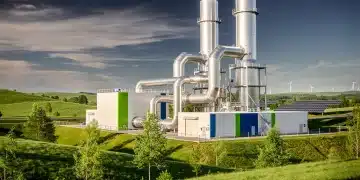
US Carbon Capture Technologies: Innovations & 2026 Targets
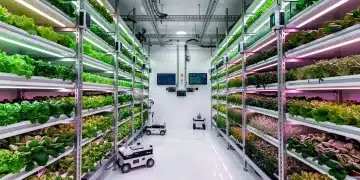
US Crop Yields 2026: 7% Increase Forecasted with New Tech

EV Charging Infrastructure: Top 3 US Investments for 2026

Green Building Standards 2026: LEED Certification Guide for US Commercial Properties
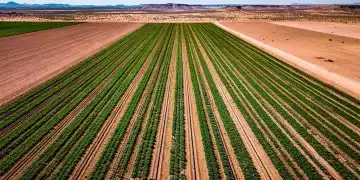
US Agriculture Drip Irrigation: Cutting Water Usage by 30%
US agriculture is making significant strides in water conservation, with advanced drip irrigation systems targeting a 30% reduction in water usage this year. This move is crucial for addressing water scarcity solutions and ensuring the long-term sustainability of farming practices across the nation.
The adoption of these innovative irrigation methods represents a pivotal shift, driven by increasing environmental pressures and the economic benefits of efficient water management. Farmers are leveraging technology to optimize water delivery directly to crop roots, minimizing waste and maximizing yield.
This report details the implementation strategies, the impact on agricultural regions, and the future outlook for water-efficient farming in the United States. It highlights key initiatives and challenges in achieving these ambitious water-saving goals.