Smart Grid Technologies: U.S. Energy Efficiency & Emissions by 2026
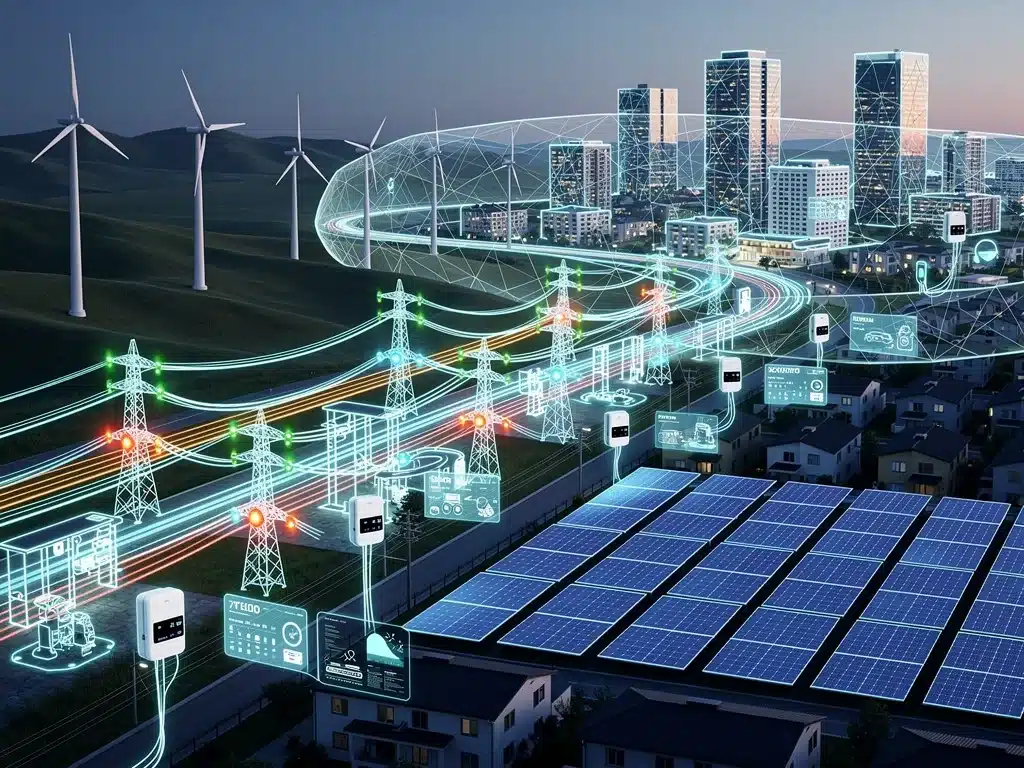
Federal funding initiatives and private sector modernizations are accelerating the deployment of smart grid technologies to expand transmission capacity, lower emissions, and integrate renewable power sources.
These upgrades leverage real-time sensors, advanced metering, and automated load management to enhance grid flexibility and resilience against extreme weather events.
The Urgency for Modernizing the U.S. Energy Grid
The United States faces increasing pressure to upgrade its aging electrical infrastructure. This modernization is critical for ensuring reliability, integrating renewable energy sources, and combating climate change.
Outdated grid systems struggle with efficiency losses and are vulnerable to extreme weather events and cyber threats.
The implementation of Smart Grid Technologies offers a robust solution to these multifaceted challenges.
This transformation is not merely about technological adoption; it represents a fundamental shift in energy policy and consumer engagement. The goal is to create a more resilient, sustainable, and intelligent energy ecosystem.
Key Technologies Driving Smart Grid Evolution
Several innovative technologies are at the forefront of the smart grid revolution. These advancements enable real-time monitoring, automated responses, and enhanced overall system performance.
From advanced sensors to sophisticated data analytics, these tools provide unprecedented visibility into energy flows. They allow utilities to anticipate issues, optimize distribution, and manage demand more effectively.
The integration of these components creates a dynamic network capable of adapting to varying energy demands and supply fluctuations.
This adaptability is crucial for the successful deployment of Smart Grid Technologies.
Advanced Metering Infrastructure (AMI)
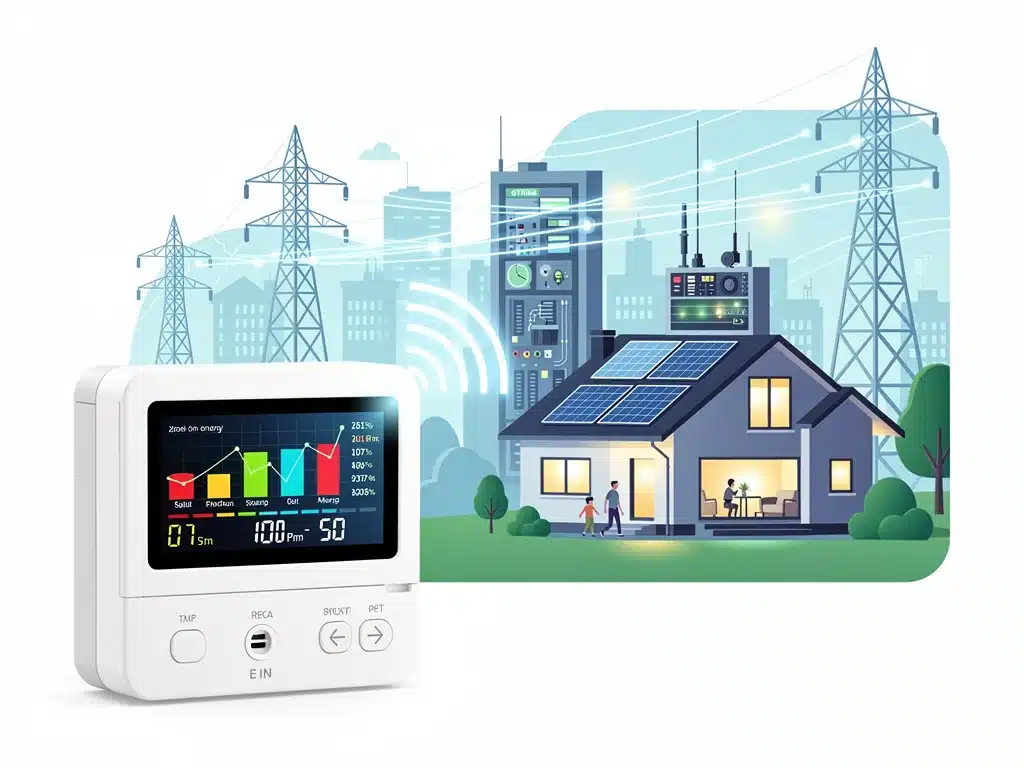
AMI systems, often referred to as smart meters, are fundamental to smart grid operations. They provide two-way communication between utilities and consumers, offering detailed energy consumption data.
This data empowers consumers to make informed decisions about their energy use and allows utilities to implement demand-response programs. The widespread adoption of AMI is a cornerstone for achieving significant energy efficiency gains.
- Real-time data collection for billing and energy management.
- Remote meter reading and service connection/disconnection.
- Improved outage detection and restoration times.
Energy Storage Solutions
Energy storage, particularly battery technologies, plays a pivotal role in grid stability and renewable energy integration. It allows excess energy generated from intermittent sources like solar and wind to be stored and dispatched when needed.
These solutions mitigate the variability of renewables, ensuring a consistent power supply and reducing reliance on fossil fuel peaker plants. The deployment of robust energy storage is vital for a truly resilient smart grid.
- Stabilizes grid fluctuations caused by renewable energy sources.
- Provides backup power during outages.
- Optimizes energy dispatch and reduces peak demand costs.
Impact on U.S. Energy Efficiency
The implementation of smart grid technologies is poised to deliver substantial improvements in energy efficiency across the U.S.
These improvements stem from optimized energy distribution, reduced transmission losses, and enhanced demand-side management.
Real-time data and automated controls allow utilities to operate more efficiently, minimizing waste throughout the entire energy delivery chain. This leads to lower operational costs and a more sustainable energy system.
Consumers also benefit from greater awareness and control over their energy consumption, fostering behavioral changes that contribute to overall efficiency. These combined efforts are central to the goals of Smart Grid Technologies.
Demand-Side Management (DSM) Programs
DSM programs leverage smart grid capabilities to influence consumer energy usage patterns, particularly during peak demand periods. This helps balance the grid and reduces the need for expensive and often carbon-intensive peak generation.
Through incentives and automated systems, consumers can reduce or shift their energy consumption, leading to significant savings and a more stable grid. These programs are a direct result of smart grid integration.
- Reduces strain on the grid during high-demand periods.
- Offers financial incentives for off-peak energy use.
- Promotes energy conservation among residential and commercial users.
Reduced Transmission and Distribution Losses
Traditional grids suffer from considerable energy losses during transmission and distribution. Smart grid technologies, with their advanced monitoring and control capabilities, can significantly minimize these losses.
By identifying and addressing inefficiencies in real-time, utilities can ensure that more of the generated electricity reaches end-users. This reduction in waste directly translates to higher energy efficiency and cost savings.
The precise management offered by Smart Grid Technologies is key to optimizing every stage of energy delivery.
Progress Towards Emissions Reduction by 2026
A primary objective of smart grid deployment is to significantly reduce greenhouse gas emissions.
By enabling greater integration of renewable energy and improving overall system efficiency, the U.S. aims for substantial environmental benefits by 2026.
The ability to seamlessly incorporate solar, wind, and other clean energy sources into the grid is paramount.
Smart grids provide the intelligence needed to manage the intermittent nature of these renewables, making them more reliable contributors to the energy mix.
This shift away from fossil fuel-dependent generation is crucial for meeting national and international climate targets.
The widespread adoption of Smart Grid Technologies is a critical step in this direction.
Integration of Renewable Energy Sources
Smart grids are designed to accommodate a high penetration of renewable energy sources. They facilitate the two-way flow of electricity, allowing distributed generation from sources like rooftop solar panels to feed back into the grid.
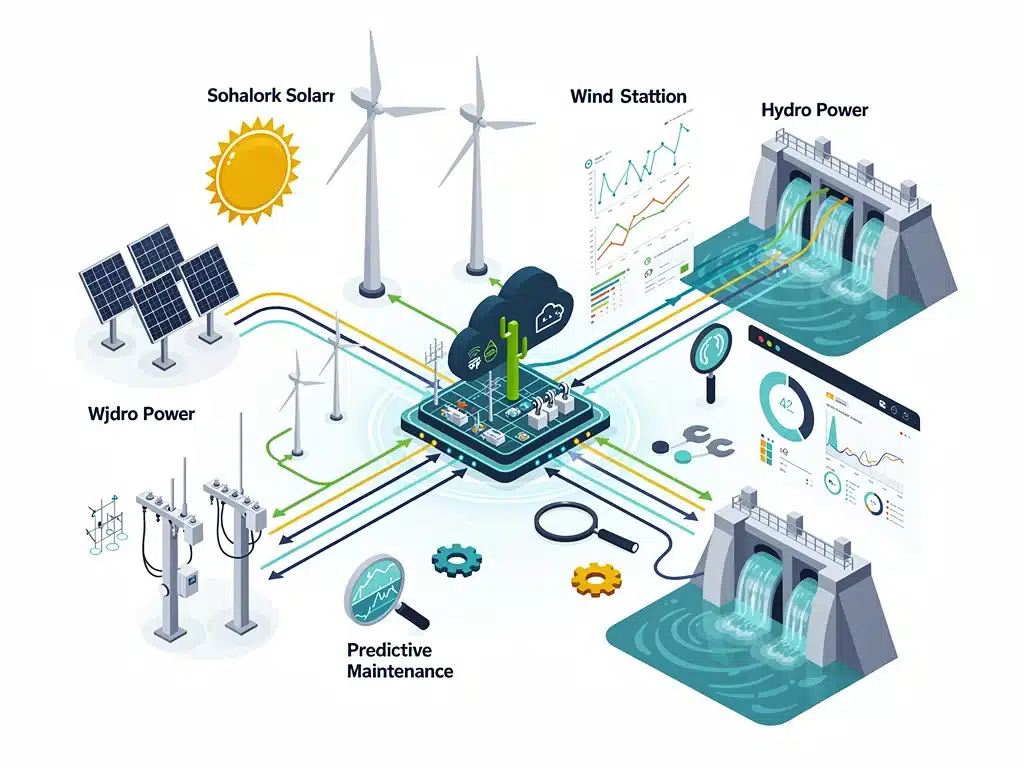
Advanced algorithms and predictive analytics optimize the dispatch of renewable energy, ensuring grid stability even with fluctuating supply. This seamless integration accelerates the transition to a cleaner energy portfolio.
- Manages intermittency of solar and wind power.
- Enables distributed energy resources (DERs) to participate in the grid.
- Reduces the need for conventional, carbon-intensive power plants.
Challenges and Opportunities in Implementation
While the benefits of smart grids are clear, their implementation presents several challenges. These include significant capital investment, cybersecurity concerns, and the need for a skilled workforce.
Upgrading existing infrastructure is a massive undertaking, requiring substantial financial commitments from both public and private sectors. Ensuring the security of a highly interconnected digital grid is also a top priority.
Despite these hurdles, the opportunities presented by Smart Grid Technologies are immense. The long-term economic and environmental gains far outweigh the initial investment.
Cybersecurity Concerns
As the grid becomes more digitized and interconnected, it also becomes more vulnerable to cyberattacks. Protecting critical infrastructure from malicious actors is a paramount concern for utilities and government agencies.
Robust cybersecurity measures, including encryption, intrusion detection systems, and regular vulnerability assessments, are essential. Continuous vigilance and adaptation to evolving threats are required to maintain grid integrity.
- Protects against data breaches and operational disruptions.
- Ensures the reliability and safety of energy delivery.
- Requires ongoing investment in security protocols and talent.
Regulatory Frameworks and Policy Support
Effective smart grid deployment relies heavily on supportive regulatory frameworks and consistent policy. Governments play a crucial role in providing incentives, setting standards, and fostering collaboration among stakeholders.
Clear policies can accelerate investment, streamline permitting processes, and ensure equitable access to smart grid benefits. Federal and state initiatives are actively shaping the environment for these technological advancements.
The success of Smart Grid Technologies hinges on a cohesive and forward-thinking regulatory landscape.
Economic Benefits and Job Creation
Beyond environmental advantages, smart grid development is a significant economic driver. Investments in smart grid infrastructure create new jobs, stimulate innovation, and enhance economic competitiveness.
From manufacturing smart meters to developing advanced software, the smart grid sector fosters growth across various industries. This economic uplift extends to construction, engineering, and IT sectors.
The long-term savings from increased efficiency and reduced outages also contribute to a more stable and prosperous economy. These economic benefits underscore the comprehensive value of Smart Grid Technologies.
Investment in Infrastructure
The modernization of the U.S. electrical grid requires substantial investment in new infrastructure. This includes upgrading transmission lines, deploying advanced sensors, and installing energy storage facilities.
These investments not only improve grid performance but also create a ripple effect throughout the economy, supporting local businesses and generating tax revenues. Public-private partnerships are often instrumental in financing these large-scale projects.
- Drives capital expenditure in energy infrastructure.
- Stimulates growth in related industries and supply chains.
- Enhances the overall resilience and capacity of the grid.
Future Outlook: Beyond 2026
The initiatives for Smart Grid Technologies represent a critical milestone, but the journey towards a fully intelligent and sustainable grid extends far beyond this date.
Ongoing research and development are exploring even more advanced capabilities.
Future smart grids will likely incorporate artificial intelligence, machine learning, and blockchain technology to further optimize operations and enhance security.
The concept of a self-healing grid, capable of autonomously detecting and repairing faults, is also on the horizon.
These continuous innovations will ensure that the U.S. remains at the forefront of energy technology and continues to make strides in environmental stewardship.
The foundation being laid now will support decades of progress.
| Key Aspect | Impact by 2026 |
|---|---|
| Energy Efficiency | Significant reduction in transmission losses and optimized consumption. |
| Emissions Reduction | Increased integration of renewables, lowering carbon footprint. |
| Grid Reliability | Enhanced resilience against outages and cyber threats. |
| Economic Growth | Creation of new jobs and stimulation of innovation in the energy sector. |
Frequently Asked Questions About Smart Grid Technologies
Smart Grid Technologies refer to advanced systems that modernize electricity grids by integrating digital communication, sensors, and control systems. They enable two-way communication between utilities and consumers, optimizing energy delivery and use, and enhancing grid reliability and efficiency.
These technologies reduce emissions primarily by facilitating the integration of renewable energy sources like solar and wind power, which have zero carbon emissions. They also improve energy efficiency, reducing overall electricity demand and the need for fossil fuel-based generation, thereby lowering greenhouse gas output.
The U.S. aims for significant improvements in energy efficiency by 2026 through smart grid deployment. This includes reducing transmission losses, optimizing energy consumption through demand-side management programs, and encouraging smarter energy use behaviors, leading to substantial energy savings across sectors.
Consumers benefit from smart grid technologies through lower energy bills due to improved efficiency and demand-response programs. They gain greater control over their energy usage with real-time data, experience more reliable power supply, and contribute to a cleaner environment by supporting renewable energy integration.
Key challenges include the high upfront costs of infrastructure upgrades, ensuring robust cybersecurity against potential attacks, and developing a skilled workforce to manage and maintain these complex systems. Regulatory hurdles and public acceptance also play a role in the pace of implementation.
What this means
The ongoing deployment of Smart Grid Technologies: Enhancing U.S. Energy Efficiency and Reducing Emissions by 2026 signifies a pivotal moment for the nation’s energy future.
This strategic shift is not merely about technological upgrades but about fostering a more sustainable, resilient, and economically vibrant energy landscape.
Stakeholders should closely monitor policy developments, investment trends, and the measurable impacts on both energy consumption and environmental quality as the 2026 target approaches, shaping a cleaner, more efficient America.
To explore federal funding allocations, grid resilience initiatives, and technical deployment guidelines, access the official resource on Smart Grid Grants from the U.S. Department of Energy.