Federal Funding for EV Infrastructure: Accessing $7.5 Billion
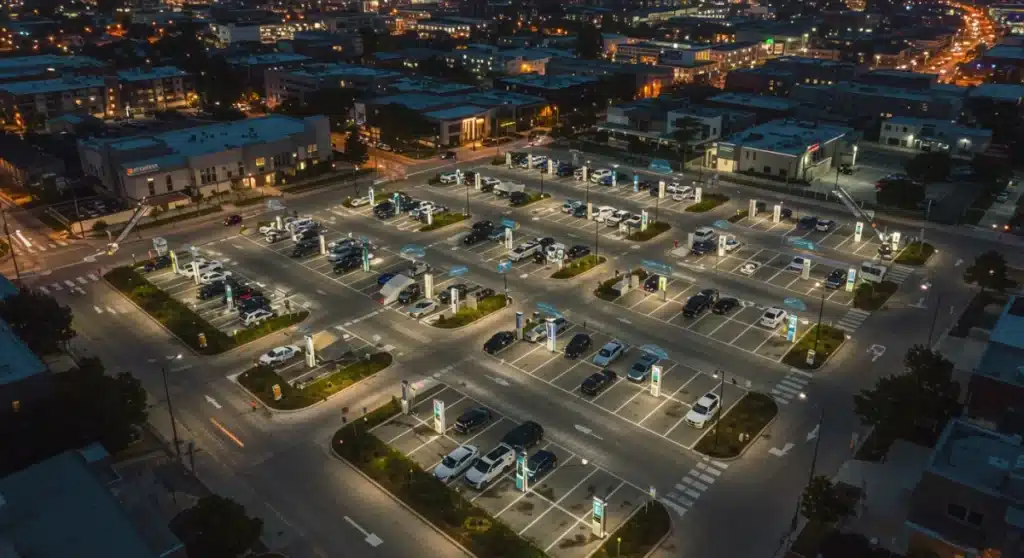
U.S. municipalities are poised to access significant federal funding for EV infrastructure, with $7.5 billion available by 2026. This initiative aims to accelerate the nationwide adoption of electric vehicles. Understanding the application process and strategic planning is crucial for securing these vital funds. This article provides a comprehensive guide for local governments.
Federal Funding for EV Infrastructure: How U.S. Municipalities Can Access $7.5 Billion by 2026 represents a pivotal moment for sustainable transportation in the United States. This substantial investment, primarily driven by the Bipartisan Infrastructure Law, aims to build a robust and accessible charging network across the nation. Understanding the mechanisms for securing this funding is paramount for local governments looking to electrify their communities.
Understanding the Federal Investment in EV Infrastructure
The U.S. government has committed significant resources to bolster the nation’s electric vehicle charging network, recognizing its critical role in achieving climate goals and fostering economic growth. This commitment is primarily channeled through the Bipartisan Infrastructure Law, which allocates considerable funds specifically for EV infrastructure deployment.
This unprecedented investment is designed to address current charging deserts and ensure that EV charging is readily available for all Americans, regardless of their location. Municipalities are at the forefront of this transformation, tasked with implementing these projects at the local level and directly impacting their communities.
The overarching goal is to create a seamless, reliable, and accessible national EV charging network, supporting the rapid transition to electric vehicles. This effort requires close collaboration between federal agencies, state governments, and local municipalities to maximize impact and efficiency.
Key Funding Programs and Eligibility Criteria
Several federal programs are instrumental in distributing the Federal Funding for EV Infrastructure: How U.S. Municipalities Can Access $7.5 Billion by 2026. The National Electric Vehicle Infrastructure (NEVI) Formula Program is a cornerstone, allocating funds directly to states to build out charging infrastructure along designated alternative fuel corridors. Municipalities often partner with their state departments of transportation to access these funds for local projects.
Beyond NEVI, competitive grant programs, such as the Charging and Fueling Infrastructure (CFI) Discretionary Grant Program, offer additional opportunities. These grants allow a broader range of applicants, including local governments, transit agencies, and private entities, to propose innovative EV charging solutions that meet specific community needs.
Eligibility for these programs typically involves demonstrating a clear need for EV charging infrastructure, a viable project plan, and the capacity to manage federal funds. Municipalities should carefully review each program’s specific requirements, including cost-sharing provisions and timelines, to maximize their chances of success in securing federal funding for EV infrastructure.
Navigating the NEVI Formula Program
The NEVI program provides $5 billion over five years to states to deploy EV chargers along interstate highways. States develop EV Infrastructure Deployment Plans (EVIPs), which outline how they will use the funds to build out their charging networks. Municipalities should engage with their state DOTs during the planning phase to ensure local needs are integrated.
These state-level plans are crucial for municipalities, as they often dictate the types of projects that receive priority and the processes for local governments to participate. Understanding the state’s EVIP is the first step for any municipality seeking to leverage NEVI funds for its own EV charging initiatives.
Exploring Discretionary Grant Opportunities
The CFI program, with $2.5 billion available, is a significant avenue for municipalities. This program supports the deployment of publicly accessible EV charging infrastructure in urban and rural areas, as well as alternative fueling infrastructure. It is designed to fill gaps not covered by NEVI and promote innovative charging solutions.
Municipalities can directly apply for CFI grants, which typically require a detailed project proposal, a clear budget, and a demonstration of community benefit. These grants are highly competitive, emphasizing the need for well-structured applications and strong local partnerships to secure the federal funding for EV infrastructure.
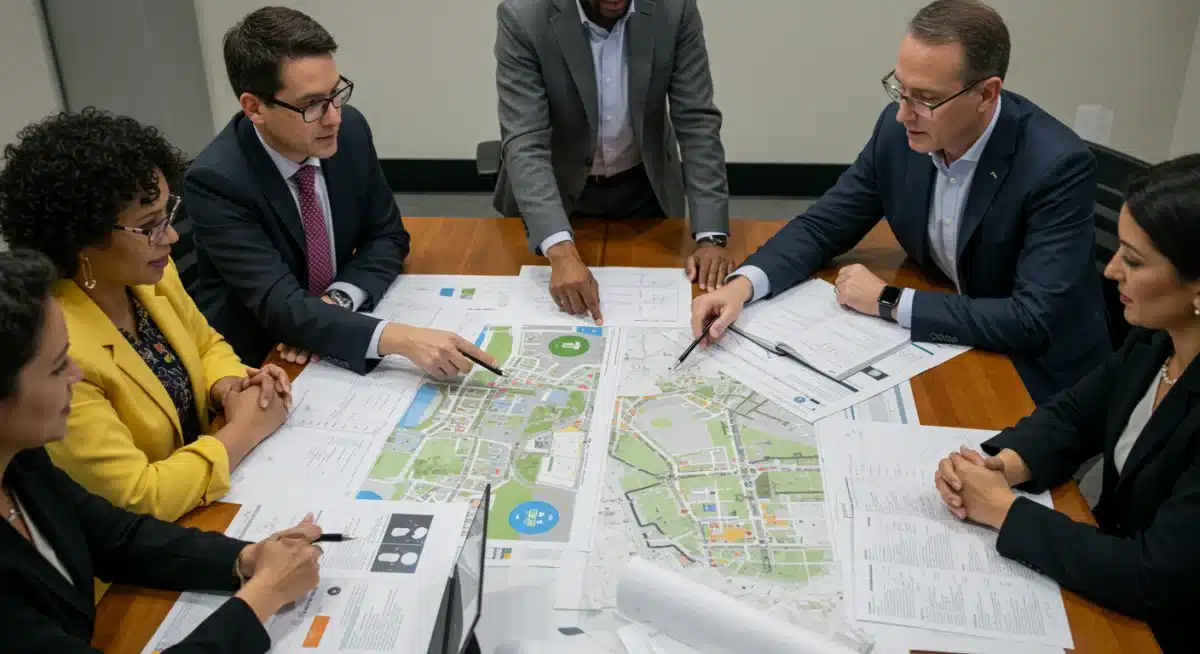
Successful applications often highlight how the proposed infrastructure will serve underserved communities, integrate with existing transportation plans, and contribute to broader sustainability goals. The competitive nature of these grants underscores the importance of thorough preparation and strategic alignment with federal priorities for EV infrastructure expansion.
Strategic Planning for Municipalities
To effectively access Federal Funding for EV Infrastructure: How U.S. Municipalities Can Access $7.5 Billion by 2026, municipalities must develop comprehensive strategic plans. This involves assessing current EV adoption rates, identifying key locations for charging stations, and understanding the specific needs of their residents and visitors. A well-articulated strategy demonstrates an understanding of local context and a clear vision for an electrified future.
Developing a robust plan also includes engaging with community stakeholders, including local businesses, residents, and utility providers. Public input can help identify optimal charging locations, address potential concerns, and build community support for EV infrastructure projects. This collaborative approach is often viewed favorably by federal funding agencies, showing a commitment to inclusive development.
Furthermore, municipalities should consider the long-term sustainability and scalability of their EV infrastructure plans. This includes evaluating different charging technologies, exploring opportunities for renewable energy integration, and planning for future expansion as EV adoption continues to grow. A forward-thinking approach ensures that initial investments provide lasting benefits and maximize the impact of federal funding for EV infrastructure.
Assessing Local Needs and Opportunities
A critical first step is a thorough assessment of local demand for EV charging. This includes analyzing current EV registrations, projecting future growth, and identifying areas with high traffic or residential density. Understanding where people live, work, and travel within the municipality can guide strategic placement of charging stations.
Identifying potential sites, such as public parking lots, community centers, and commercial districts, is also essential. Municipalities should consider factors like existing electrical capacity, accessibility, and visibility when selecting locations to ensure optimal utilization of the federal funding for EV infrastructure.
Building Partnerships and Collaborations
Successful EV infrastructure deployment often relies on strong partnerships. Collaborating with local utilities can ensure grid capacity and efficient power delivery to charging sites. Engaging with private sector charging providers can bring expertise and additional investment, leveraging federal funds more effectively.
Partnerships with neighboring municipalities or regional planning organizations can also create a more cohesive and interconnected charging network. These collaborations can lead to shared resources, coordinated planning, and a stronger collective impact when applying for federal funding for EV infrastructure.
Application Process and Best Practices
The application process for Federal Funding for EV Infrastructure: How U.S. Municipalities Can Access $7.5 Billion by 2026 can be complex, requiring meticulous attention to detail and adherence to specific guidelines. Municipalities should allocate sufficient time and resources to prepare comprehensive applications, often involving multiple departments and external consultants. Understanding the nuances of each program’s requirements is crucial for a successful submission.
Best practices include clearly articulating the project’s objectives, detailing the proposed budget, and demonstrating the measurable benefits to the community. Providing strong data to support claims, such as projected EV adoption rates and anticipated reductions in emissions, can significantly strengthen an application. Federal agencies prioritize projects that offer clear, quantifiable positive impacts.
Furthermore, municipalities should proactively seek technical assistance and guidance offered by federal and state agencies throughout the application process. Attending webinars, reviewing frequently asked questions, and consulting with program officers can provide invaluable insights and help avoid common pitfalls. This proactive engagement can significantly enhance a municipality’s ability to secure federal funding for EV infrastructure.
Crafting a Compelling Proposal
A compelling proposal clearly outlines the problem being addressed, the proposed solution, and how it aligns with federal objectives. It should include detailed project timelines, a realistic budget breakdown, and a plan for ongoing maintenance and operation of the charging infrastructure. Emphasizing the project’s sustainability and long-term impact is also vital.
Highlighting community engagement, equity considerations, and innovative approaches can differentiate an application. Strong proposals demonstrate not only technical feasibility but also a deep understanding of community needs and a commitment to inclusive EV infrastructure development, making them more attractive for federal funding for EV infrastructure.
Adhering to Federal Guidelines and Reporting
Receiving federal funding comes with significant reporting and compliance requirements. Municipalities must be prepared to track project progress, expenditures, and outcomes rigorously. This often involves regular reporting to federal agencies, demonstrating accountability and transparent use of taxpayer dollars.
Understanding and adhering to federal procurement rules, environmental regulations, and accessibility standards from the outset can prevent delays and complications. Establishing clear internal processes for financial management and project oversight is essential for maintaining compliance throughout the project lifecycle and ensuring continued access to federal funding for EV infrastructure.
The Impact of Federal Funding on Local Communities
The influx of Federal Funding for EV Infrastructure: How U.S. Municipalities Can Access $7.5 Billion by 2026 holds transformative potential for U.S. municipalities. Beyond simply installing charging stations, this investment can stimulate local economies, create new job opportunities, and improve air quality. A robust EV charging network encourages residents and businesses to transition to electric vehicles, leading to reduced reliance on fossil fuels and lower carbon emissions.
Improved EV infrastructure also enhances a municipality’s attractiveness, drawing in new businesses and residents who prioritize sustainable living and convenient access to charging. This can lead to increased property values and a more vibrant local economy. The long-term benefits extend to public health, as cleaner air contributes to fewer respiratory illnesses and a higher quality of life for all community members.
Moreover, the strategic deployment of charging stations can address transportation equity issues, ensuring that all residents, including those in underserved areas, have access to reliable and affordable EV charging. This inclusive approach is a key objective of federal programs, aiming to ensure that the benefits of the clean energy transition are shared broadly across the nation, maximizing the positive impact of federal funding for EV infrastructure.
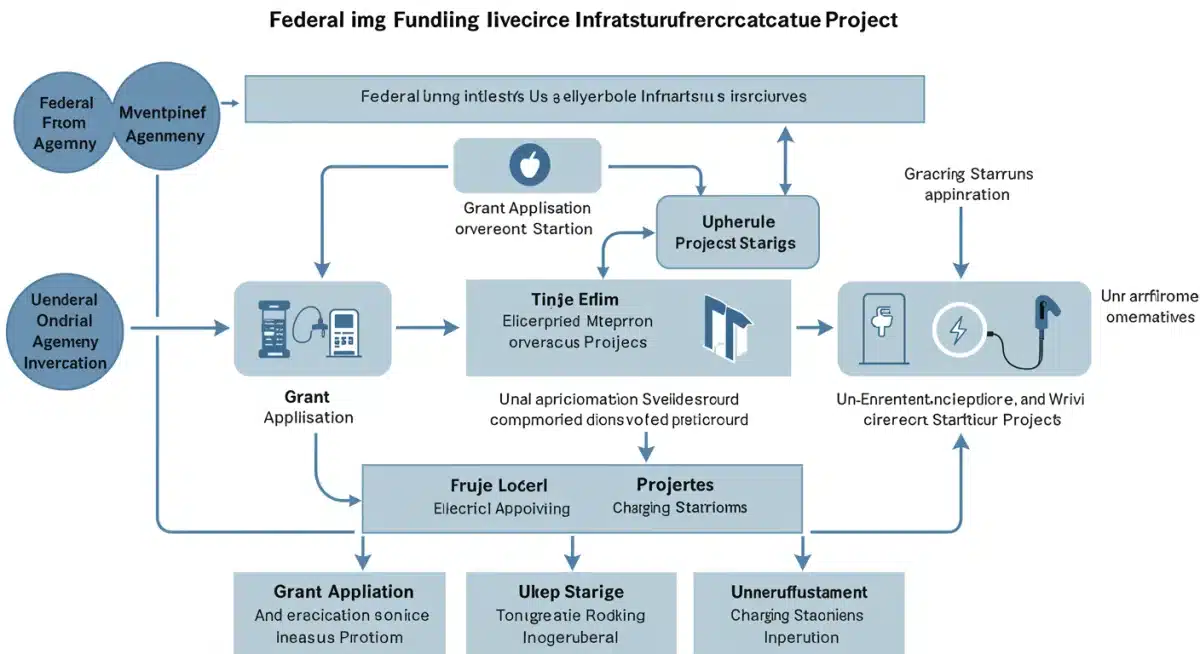
The ripple effect of these investments is profound, positioning municipalities as leaders in the national transition to a clean energy economy. The strategic use of this federal funding for EV infrastructure will define the future of urban and rural mobility for decades to come.
Challenges and Considerations for Implementation
While the opportunity for Federal Funding for EV Infrastructure: How U.S. Municipalities Can Access $7.5 Billion by 2026 is immense, municipalities face several challenges in implementation. These include navigating complex permitting processes, ensuring grid readiness, and addressing potential public resistance to new infrastructure. Careful planning and proactive engagement can mitigate many of these hurdles.
Grid capacity and upgrades are often significant considerations, as deploying numerous high-power charging stations can place new demands on existing electrical infrastructure. Municipalities must collaborate closely with their utility providers to assess current capacity and plan for necessary upgrades, ensuring a smooth and reliable charging experience.
Another challenge involves public education and outreach to foster widespread EV adoption and utilization of new charging facilities. Communicating the benefits of EVs and the availability of charging infrastructure can help overcome initial hesitancy and maximize the return on investment from federal funding for EV infrastructure.
Addressing Permitting and Regulatory Hurdles
Streamlining local permitting processes is crucial for accelerating EV charging deployment. Municipalities can establish clear guidelines, offer expedited reviews, and provide technical assistance to applicants. This reduces administrative burdens and encourages faster project completion, making the most of the federal funding for EV infrastructure.
Harmonizing local regulations with state and federal standards can also prevent delays. Creating a predictable and efficient regulatory environment is essential for attracting private investment and ensuring the timely rollout of critical EV infrastructure components.
Ensuring Grid Readiness and Resilience
Collaborating with local utilities to conduct grid impact studies is a vital step. This helps identify areas that require upgrades and ensures that the electrical infrastructure can support increased EV charging demand. Planning for smart charging solutions and demand management strategies can also help optimize grid performance.
Investing in resilient charging infrastructure that can withstand extreme weather events and potential disruptions is also important. This foresight ensures long-term reliability and protects the federal funding for EV infrastructure investment, providing continuous service to EV drivers.
Long-Term Vision for EV Infrastructure
The vision for Federal Funding for EV Infrastructure: How U.S. Municipalities Can Access $7.5 Billion by 2026 extends far beyond the initial deployment of charging stations. It encompasses building a resilient, interconnected, and future-proof charging ecosystem that can adapt to evolving technologies and increasing demand. Municipalities should consider how their current projects fit into a broader, long-term electrification strategy.
This includes planning for the integration of emerging charging technologies, such as wireless charging and vehicle-to-grid (V2G) capabilities, which could significantly enhance grid stability and energy efficiency. Staying abreast of technological advancements ensures that initial investments remain relevant and valuable in the years to come.
Furthermore, municipalities should consider how EV infrastructure can support other sustainability initiatives, such as public transit electrification and renewable energy projects. A holistic approach to energy and transportation planning maximizes the impact of federal funding for EV infrastructure and positions communities as leaders in the clean energy transition.
Future-Proofing Charging Networks
Designing charging networks with upgradeability in mind is key. This means selecting flexible hardware, establishing robust communication protocols, and planning for scalable power infrastructure. Such foresight ensures that the infrastructure can accommodate faster charging speeds and higher capacities as EV technology evolves.
Developing data-driven strategies for network management and optimization will also be crucial. Utilizing real-time data on charger usage and energy consumption can inform future expansion decisions and ensure efficient operation of the federal funding for EV infrastructure.
Integrating with Broader Sustainability Goals
EV infrastructure projects offer an opportunity to advance broader municipal sustainability goals. This could involve powering charging stations with local renewable energy sources, integrating them into smart city initiatives, or using them to support electric public transit fleets. These synergies amplify the environmental and economic benefits of federal funding for EV infrastructure.
Considering the societal impacts, such as creating green jobs and promoting environmental justice, further strengthens the long-term vision. By embedding EV infrastructure within a comprehensive sustainability framework, municipalities can create more resilient, equitable, and environmentally friendly communities.
| Key Point | Brief Description |
|---|---|
| Federal Investment | U.S. commits $7.5 billion by 2026 for EV charging infrastructure via Bipartisan Infrastructure Law. |
| Key Programs | NEVI Formula Program and CFI Discretionary Grants are primary avenues for funding. |
| Municipal Strategy | Comprehensive planning, community engagement, and strong partnerships are crucial for success. |
| Application Best Practices | Detailed proposals, clear budgets, and adherence to federal guidelines ensure successful funding acquisition. |
Frequently Asked Questions on EV Funding
The U.S. government has allocated $7.5 billion in federal funding for EV infrastructure by 2026, primarily through the Bipartisan Infrastructure Law. This significant investment aims to build a comprehensive national charging network to support the growing adoption of electric vehicles across the country.
The primary programs are the National Electric Vehicle Infrastructure (NEVI) Formula Program and the Charging and Fueling Infrastructure (CFI) Discretionary Grant Program. NEVI funds states for corridor charging, while CFI offers competitive grants directly to a broader range of entities, including municipalities, for various EV charging projects.
Municipalities should conduct a thorough needs assessment, develop a comprehensive strategic plan, and engage with community stakeholders and utility providers. Crafting a detailed project proposal, outlining clear objectives, and demonstrating measurable community benefits are essential for a successful application for federal funding for EV infrastructure.
Common challenges include navigating complex permitting processes, ensuring adequate grid capacity, and managing public perception. Proactive engagement with utilities, streamlining local regulations, and effective public outreach are crucial strategies to overcome these hurdles and efficiently deploy EV infrastructure with federal funding.
This federal funding stimulates local economies by creating jobs, improves air quality by reducing emissions, and enhances a municipality’s attractiveness. It also promotes transportation equity by ensuring widespread access to charging, fostering a more sustainable and vibrant community for all residents by leveraging federal funding for EV infrastructure.
Looking Ahead
The availability of Federal Funding for EV Infrastructure: How U.S. Municipalities Can Access $7.5 Billion by 2026 represents a generational opportunity for U.S. municipalities to lead the charge in sustainable transportation. Successfully navigating the complexities of these funding programs will require strategic planning, robust community engagement, and a clear vision for an electrified future. The decisions made by local governments in the coming months will shape the landscape of EV charging for decades, impacting economic development, environmental health, and the daily lives of residents. This ongoing federal commitment ensures that the transition to electric vehicles is not just a national goal, but a tangible reality for communities nationwide.