EPA Methane Regulations: Energy Cost Impact by 2026
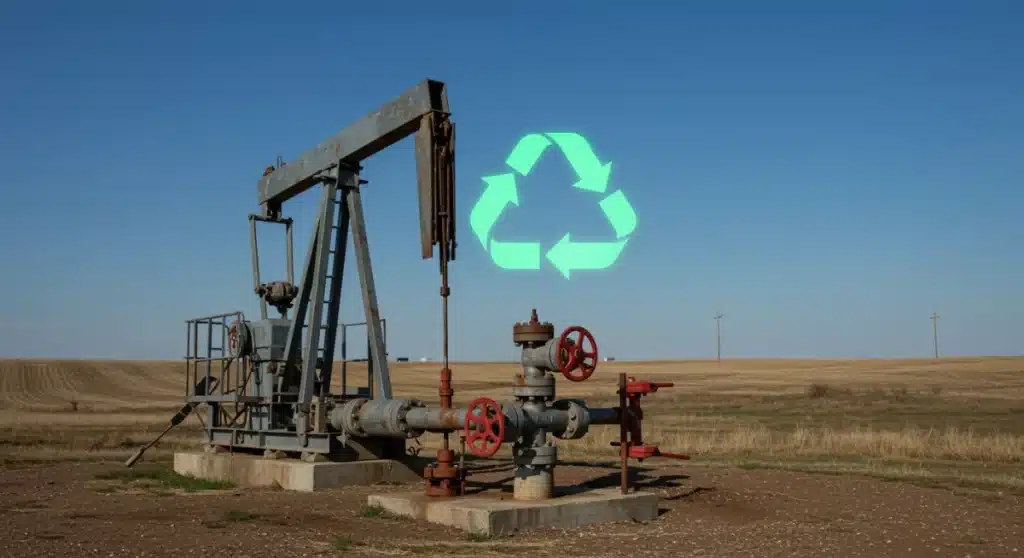
The U.S. EPA’s new methane regulations are poised to significantly alter the energy sector, potentially leading to increased operational costs for producers and subsequently impacting energy prices for consumers and industries nationwide by 2026.
The energy landscape in the United States is constantly evolving, driven by technological advancements, market dynamics, and, increasingly, environmental policy. Among the most significant recent developments are the new regulations set forth by the U.S. Environmental Protection Agency (EPA) targeting methane emissions. These new rules are not merely bureaucratic hurdles; they represent a fundamental shift in how the oil and gas industry operates, with profound implications for energy costs. Understanding how these EPA methane regulations will impact energy costs by 2026 is crucial for businesses, policymakers, and everyday Americans alike.
Understanding the U.S. EPA’s New Methane Regulations
The U.S. EPA’s new methane regulations are a comprehensive set of rules aimed at reducing methane emissions from the oil and natural gas industry. Methane, a potent greenhouse gas, contributes significantly to global warming. These regulations build upon previous efforts and introduce stricter requirements for monitoring, reporting, and reducing methane leaks across the entire oil and gas supply chain, from production to transmission.
These rules are designed to achieve substantial environmental benefits by curbing one of the most impactful short-lived climate pollutants. The EPA estimates these regulations will lead to significant reductions in methane emissions, equivalent to millions of tons of carbon dioxide, over the coming decades. This initiative underscores a broader federal commitment to addressing climate change and transitioning towards a cleaner energy future.
Key Components of the New Regulations
- Enhanced Leak Detection and Repair (LDAR): Operators are now required to implement more frequent and rigorous leak detection and repair programs, utilizing advanced technologies to identify and fix methane leaks.
- New Source Performance Standards (NSPS): Stricter emission limits apply to new and modified oil and gas facilities, ensuring that newer infrastructure is built with methane reduction in mind from the outset.
- Emissions from Existing Sources: For the first time, comprehensive regulations extend to existing oil and gas infrastructure, mandating emissions reductions from facilities that have been operating for years.
- Super-Emitter Program: A specific program targets large methane leaks, known as ‘super-emitters,’ with requirements for rapid detection and repair to prevent significant environmental damage.
In essence, these regulations mark a pivotal moment for the U.S. energy sector, pushing for greater accountability and environmental stewardship. The intent is clear: to mitigate climate change impacts by addressing methane emissions head-on. The challenge, however, lies in balancing environmental goals with economic realities, particularly concerning potential impacts on energy costs.
Operational Changes and Compliance Costs for Energy Producers
Implementing the U.S. EPA’s new methane regulations necessitates significant operational adjustments and investments for oil and gas producers. These changes are not trivial and will directly translate into increased compliance costs. Companies will need to allocate substantial capital to upgrade existing infrastructure, adopt new technologies, and train personnel to meet the stringent new standards.
The primary areas of increased expenditure include advanced leak detection and repair equipment, such as optical gas imaging cameras and drone-based systems. Furthermore, the installation of new emission control technologies, like vapor recovery units and low-bleed pneumatic controllers, will be essential. These investments are crucial for minimizing methane venting and flaring, but they come with a hefty price tag that will inevitably be factored into production costs.
Technological Upgrades and Infrastructure Modernization
The new regulations push for a technological leap in the industry. Older facilities, in particular, will require extensive overhauls to become compliant. This modernization effort involves not just patching leaks but also redesigning processes to prevent future emissions. The shift towards more sustainable practices, while environmentally beneficial, demands substantial upfront financial commitments.
- Advanced Monitoring Systems: Investment in continuous monitoring systems that can detect even minute methane leaks in real-time.
- Equipment Replacement: Phasing out high-emission equipment with newer, low-emission alternatives, such as electric compressors.
- Process Optimization: Re-evaluating and optimizing operational procedures to reduce methane losses during routine maintenance and operations.
These compliance costs will vary depending on the age and scale of operations, with smaller, older facilities potentially facing a disproportionately higher burden. The cumulative effect of these expenditures across the industry will inevitably influence the overall cost of producing oil and natural gas, setting the stage for potential price adjustments in the wider energy market.
The Direct Link Between Regulations and Energy Prices
The relationship between environmental regulations and energy prices is complex but undeniable. When compliance costs for energy producers rise, these costs are often passed on to consumers in the form of higher prices. This economic principle suggests that the U.S. EPA’s new methane regulations could lead to an increase in the cost of natural gas and, by extension, electricity and other energy-dependent goods and services.
Natural gas is a cornerstone of the U.S. energy mix, used extensively for electricity generation, industrial processes, and residential heating. Any significant increase in its production cost due to regulatory compliance will ripple through the economy. Consumers might see higher utility bills, and businesses could face increased operational expenses, potentially impacting their competitiveness and pricing strategies.
Factors Influencing Price Escalation
Several factors will determine the extent to which these regulations translate into higher energy prices. The speed of industry adaptation, the availability of cost-effective compliance technologies, and the competitive landscape of the energy market will all play a role. A swift and efficient transition could mitigate some price increases, while delays or unforeseen challenges could exacerbate them.
- Production Costs: The direct costs of leak detection, repairs, and equipment upgrades increase the overall cost of extracting and processing natural gas.
- Supply-Demand Dynamics: If compliance costs lead to a slowdown in production or a reduction in supply, prices could rise in response to unchanged demand.
- Market Competition: The ability of energy producers to absorb costs or pass them on will depend on the level of competition within the market.
It is important to note that while some price increases are anticipated, the long-term benefits of reduced methane emissions, such as improved public health and mitigated climate change impacts, also carry significant economic value that is often harder to quantify in immediate financial terms. However, in the short to medium term, the direct impact on energy prices is a primary concern for many stakeholders.
Projected Impact on Electricity and Natural Gas Costs by 2026
By 2026, the full effect of the U.S. EPA’s new methane regulations on electricity and natural gas costs will become more apparent. Experts project a moderate but noticeable increase in prices. The natural gas sector, being directly targeted, will likely experience the most immediate and significant price adjustments, which will then have a cascading effect on electricity generation, given that natural gas fuels a substantial portion of the nation’s power plants.
Estimates suggest that natural gas prices could see an uptick ranging from a few percentage points to potentially double-digit increases in certain regions, depending on local market conditions and the specific challenges faced by producers. Electricity rates, in turn, are expected to follow a similar trend, albeit with a slightly delayed reaction as power generators adjust to higher fuel costs. These projections are subject to various market variables, including global energy prices and the pace of renewable energy adoption.
Regional Variations in Cost Increases
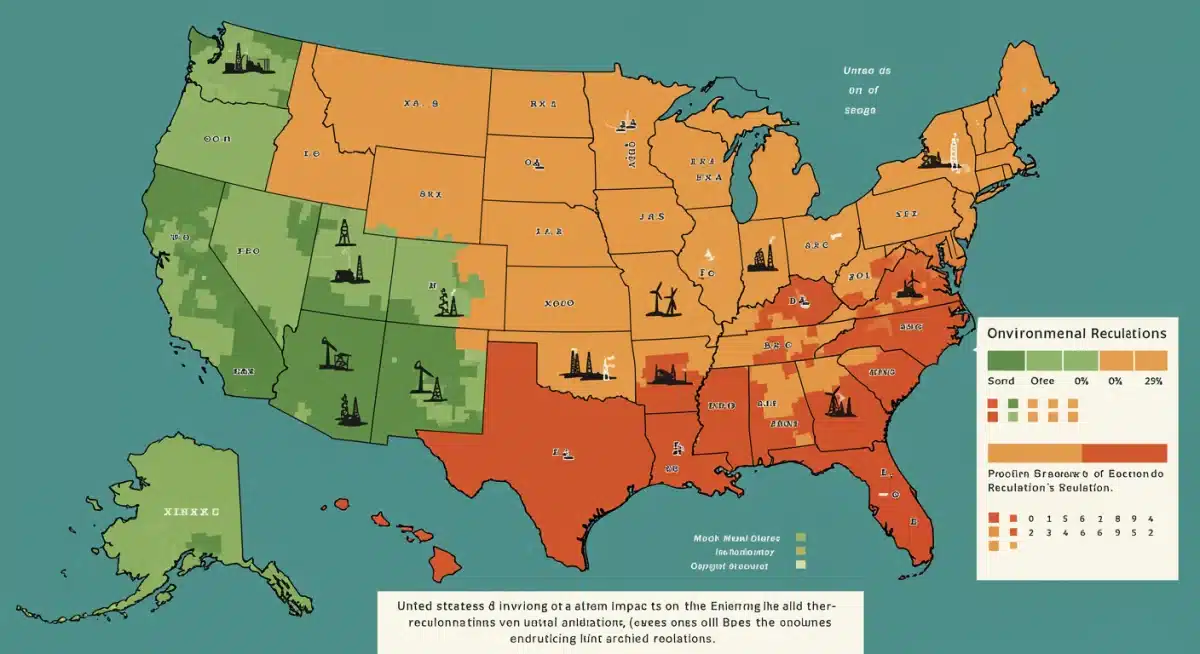
The impact will not be uniform across the United States. Regions heavily reliant on natural gas for heating and electricity, particularly those with older oil and gas infrastructure, may experience more pronounced cost increases. Conversely, states with a higher penetration of renewable energy sources or those with newer, more efficient natural gas facilities might see a comparatively smaller impact.
- Northeast and Midwest: These regions, with significant natural gas consumption for heating and power, could face noticeable increases in utility bills.
- Texas and Gulf Coast: While major production hubs, their extensive infrastructure and economies of scale might help mitigate some of the price impacts, though compliance costs will still be substantial.
- California: With its aggressive renewable energy targets and existing environmental regulations, the additional impact from federal methane rules might be integrated more smoothly.
Understanding these regional differences is crucial for both consumers and policymakers. While the national average might indicate a certain trend, local economic conditions and energy mixes will ultimately dictate the precise financial burden on households and businesses by 2026. Proactive planning and investment in energy efficiency can help mitigate these projected cost increases.
Consumer Strategies to Mitigate Rising Energy Costs
As the U.S. EPA’s new methane regulations potentially lead to increased energy costs by 2026, consumers can adopt several strategies to mitigate the financial impact. These strategies focus on reducing energy consumption, improving home efficiency, and exploring alternative energy solutions. Taking proactive steps now can help households manage future utility bills more effectively.
One of the most effective approaches is to conduct a home energy audit to identify areas of inefficiency. Sealing drafts, improving insulation, and upgrading to energy-efficient appliances can significantly reduce energy demand. Small behavioral changes, such as adjusting thermostat settings and unplugging electronics when not in use, also contribute to overall energy savings.
Investing in Energy Efficiency and Renewables
Longer-term solutions involve investments in home improvements that yield substantial energy savings over time. These include upgrading windows, installing smart home technologies, and considering rooftop solar panels. Many government programs and utility companies offer incentives and rebates for such investments, making them more accessible.
- Home Insulation: Upgrading attic, wall, and floor insulation to prevent heat loss in winter and heat gain in summer.
- Smart Thermostats: Installing programmable thermostats that learn household habits and optimize heating and cooling schedules.
- Solar Panels: Exploring solar energy options for residential use to generate electricity and reduce reliance on grid power.
- Energy-Efficient Appliances: Replacing old appliances with ENERGY STAR certified models that consume less electricity.
By embracing these strategies, consumers can not only reduce their personal financial exposure to rising energy costs but also contribute to broader environmental goals. The move towards greater energy independence and efficiency becomes a win-win situation, benefiting both individual budgets and the planet.
Long-Term Economic and Environmental Outlook
While the immediate focus on the U.S. EPA’s new methane regulations often centers on potential energy cost increases by 2026, it is crucial to consider the long-term economic and environmental outlook. These regulations are part of a broader strategy to combat climate change, and their success could yield significant benefits that outweigh the initial financial adjustments. Reducing methane emissions contributes to improved air quality, better public health outcomes, and a more stable climate, all of which have inherent economic value.
In the long run, the shift towards cleaner energy production methods could also spur innovation and create new economic opportunities. Investments in methane reduction technologies can lead to job creation in manufacturing, installation, and maintenance sectors. Furthermore, a more stable climate reduces the frequency and intensity of extreme weather events, thereby mitigating the massive economic costs associated with disaster recovery and infrastructure repair.
Beyond 2026: A Sustainable Energy Future
Looking beyond 2026, the regulatory framework established by the EPA could accelerate the transition to a more sustainable energy future. By making fossil fuel production more environmentally responsible, it also encourages greater investment in renewable energy sources. This diversification of the energy mix enhances energy security and reduces reliance on volatile global fossil fuel markets.
- Innovation in Green Technologies: Increased demand for methane abatement solutions drives technological advancements and market growth in environmental services.
- Job Creation: New industries and services related to environmental compliance and renewable energy contribute to economic growth and employment.
- Reduced Climate Risks: Successfully curbing methane emissions helps avert the most severe impacts of climate change, safeguarding long-term economic stability.
Ultimately, the U.S. EPA’s methane regulations represent a strategic investment in the nation’s future. While there will be adjustments and costs in the short term, the long-term dividends in terms of environmental health, economic resilience, and a cleaner energy system are expected to be substantial. This forward-looking perspective is essential for understanding the full scope of these pivotal regulations.
| Key Point | Brief Description |
|---|---|
| Regulatory Scope | New EPA rules target methane emissions from oil and gas, including existing sources and super-emitters. |
| Compliance Costs | Producers face increased costs for advanced leak detection, equipment upgrades, and operational changes. |
| Energy Price Impact | Expected moderate increases in natural gas and electricity prices by 2026, varying regionally. |
| Consumer Mitigation | Strategies include energy efficiency upgrades, smart home tech, and considering solar power. |
Frequently Asked Questions About Methane Regulations and Energy Costs
The main goals are to significantly reduce methane emissions from the oil and natural gas industry, a potent greenhouse gas contributing to climate change. These regulations aim to enhance air quality and public health while promoting more environmentally responsible energy production practices across the nation.
Natural gas producers will face increased operational costs due to mandates for advanced leak detection and repair (LDAR) programs, equipment upgrades, and stricter emission control technologies. They must also comply with new performance standards for both new and existing facilities, requiring substantial capital investment.
Yes, higher electricity bills are anticipated. As natural gas is a primary fuel for electricity generation, increased production costs for natural gas will likely translate into higher wholesale prices, which utility companies will then pass on to consumers through their electricity rates by 2026.
Absolutely. Regions heavily dependent on natural gas for heating and electricity, especially those with older infrastructure, may experience more significant price increases. States with diverse energy portfolios or those already investing in renewables may see a comparatively smaller impact from these regulations.
Homeowners can implement energy-saving measures such as improving insulation, sealing drafts, using energy-efficient appliances, and installing smart thermostats. Investing in renewable energy sources like solar panels can also reduce reliance on traditional grid electricity and mitigate future cost increases.
Conclusion
The U.S. EPA’s new methane regulations represent a critical step in the nation’s efforts to combat climate change, bringing significant changes to the oil and gas industry. While these regulations are poised to deliver substantial environmental benefits by curbing potent greenhouse gas emissions, they are also expected to influence energy costs across the United States by 2026. Producers face increased compliance costs, which will likely translate into moderate price increases for natural gas and, subsequently, electricity. However, understanding these potential impacts allows for proactive measures, both at the industry level through innovation and efficiency, and at the consumer level through energy conservation and investment in sustainable solutions. Ultimately, these regulations underscore a necessary transition towards a more environmentally responsible and resilient energy future, balancing short-term economic adjustments with long-term planetary health and stability.