From Brownfields to Greenfields: 2026 Climate Solutions
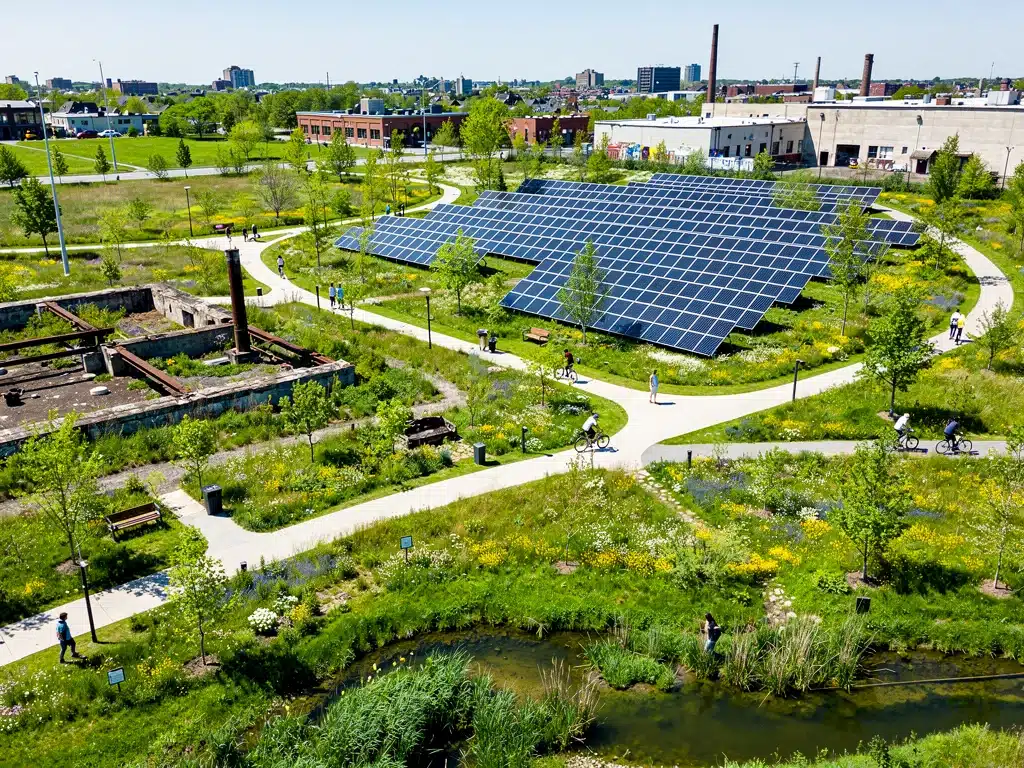
Updated regulatory frameworks and federal funding streams are accelerating the redevelopment of contaminated U.S. brownfields into clean energy and climate resilience hubs.
This update outlines key policy shifts, municipal funding opportunities, and strategic site selection criteria driving sustainable land reuse in 2026.
Federal Initiatives and Policy Shifts for 2026
Federal agencies have confirmed new timelines and outlined initial impacts across different regions, signaling a robust commitment to brownfield redevelopment.
Statements from environmental protection representatives indicate short-term adjustments and a more defined path for upcoming decisions, emphasizing climate solutions.
This proactive stance is designed to streamline processes.
The Environmental Protection Agency (EPA) and other federal bodies are enhancing their programs, offering clearer guidelines and increased technical assistance.
These policy shifts are crucial for unlocking the full potential of brownfield sites, transforming them into valuable assets for communities and the environment. The focus remains on accelerating project implementation.
Legislation passed in recent years provides a strong foundation for these efforts, with dedicated funding streams becoming more accessible.
Stakeholders should closely monitor these developments to leverage the available resources effectively, ensuring projects align with national climate goals. The regulatory landscape is evolving to support these transformations.
Key Legislative Support and Funding Mechanisms
Recent data helps clarify the scope and sequence of events, particularly concerning the bipartisan infrastructure law, which allocates significant funds to brownfield remediation and redevelopment.
Markets and local communities have reacted positively as information became public, with agencies coordinating responses under established protocols. This funding is a game-changer.
- Infrastructure Investment and Jobs Act (IIJA): Provides billions for brownfield assessment, cleanup, and redevelopment.
- Inflation Reduction Act (IRA): Offers tax credits and incentives for clean energy projects on brownfields, bolstering climate resilience.
- EPA Brownfields Program: Continues to be a primary source for grants and technical assistance, now with expanded eligibility.
These legislative acts underscore a strategic pivot towards integrating environmental cleanup with climate action, making Brownfields to Greenfields a central theme.
The background connects this update to previous milestones, with analysts highlighting short-term signals that deserve attention before broader trends become clear. The convergence of these policies creates a powerful synergy.
Economic Incentives and Investment Opportunities
The financial landscape for brownfield redevelopment is becoming increasingly attractive, with a confluence of public funding and private investment.
These economic incentives are designed to de-risk projects and encourage broader participation from developers, municipalities, and non-profit organizations. The goal is to stimulate widespread transformation.
Tax credits, grants, and low-interest loans are making it more feasible to undertake complex remediation and redevelopment projects.
The focus on climate solutions further enhances the appeal, as projects can qualify for additional incentives related to renewable energy, green infrastructure, and sustainable land use. This multi-layered approach boosts viability.
Savvy investors are recognizing the long-term value in these transformations, viewing brownfield sites not as liabilities, but as untapped potential for sustainable growth.
The economic calculus is shifting, favoring projects that deliver both environmental restoration and economic revitalization. This shift is critical for sustained progress.
Attracting Private Capital for Sustainable Projects
Direct quotes and attributed summaries show how private capital is increasingly aligning with public policy to drive sustainable development on brownfield sites.
Independent experts assess the credibility of the information and likely outcome scenarios, suggesting a strong upward trend in investment. This collaboration is vital for scaling efforts.
- Environmental, Social, and Governance (ESG) Investments: Growing demand for ESG-compliant portfolios drives investment into green redevelopment.
- Public-Private Partnerships (PPPs): Facilitating large-scale projects by sharing risks and resources between government and private entities.
- Green Bonds and Impact Investing: Specific financial instruments targeting projects with positive environmental and social impacts.
What changes for the reader now are the expanded avenues for funding and collaboration, making the vision of Brownfields to Greenfields more attainable.
Immediate deadlines or relevant dates to note include upcoming grant application windows and policy implementation dates.
For now, practical effects are concentrated in specific areas, while broader impacts depend on future decisions and compliance with new guidelines. The financial ecosystem is evolving rapidly.
Technological Innovations in Remediation and Redevelopment
Advancements in environmental remediation technologies are significantly reducing the cost and time associated with cleaning up contaminated sites.
These innovations are critical enablers for the widespread adoption of brownfield-to-greenfield transformations, offering more efficient and sustainable solutions. The pace of technological development is accelerating.
From advanced bioremediation techniques to in-situ chemical oxidation, new methods are proving highly effective in breaking down pollutants without extensive excavation.
This not only lowers project costs but also minimizes the environmental footprint of the cleanup process itself. These methods are revolutionizing the field.
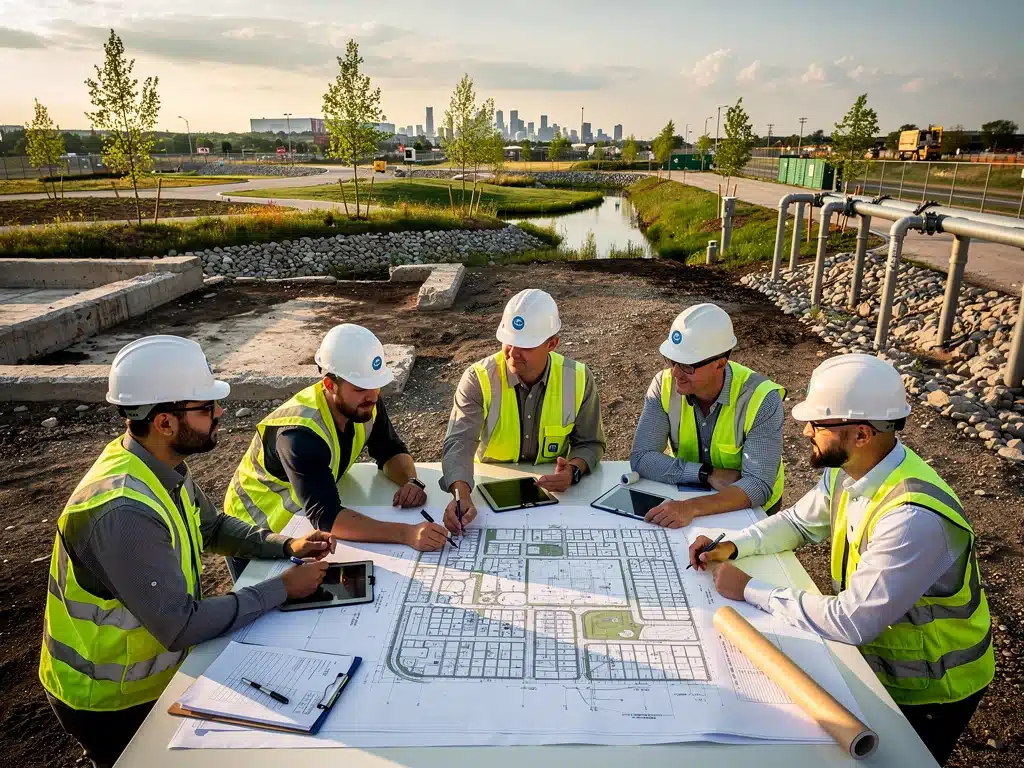
Furthermore, digital tools like GIS mapping and predictive modeling are enhancing site assessment and planning, allowing for more precise and targeted interventions.
These technologies are integral to maximizing the climate benefits of redeveloped sites, ensuring optimal placement of green infrastructure and renewable energy systems. Such tools are indispensable for modern projects.
Integrating Smart Solutions for Climate Resilience
The integration of smart solutions extends beyond remediation to the redevelopment phase, incorporating renewable energy generation, efficient water management, and enhanced biodiversity.
These elements are key to realizing the full potential of Brownfields to Greenfields. The aim is to create resilient, self-sustaining environments.
For example, solar farms built on former landfills, or urban parks designed to manage stormwater runoff, exemplify how redeveloped brownfields can actively contribute to climate adaptation and mitigation.
These projects are demonstrating tangible benefits for communities. The scope of innovation is vast and impactful.
The availability of advanced materials and construction techniques also plays a role, enabling the creation of durable, low-carbon infrastructure.
These developments are making it easier to construct buildings and public spaces that are both environmentally friendly and economically viable. The future of sustainable urban development is being shaped here.
Community Engagement and Environmental Justice
A crucial aspect of successful brownfield redevelopment is meaningful community engagement, particularly in historically marginalized areas often disproportionately affected by environmental contamination.
Ensuring environmental justice is central to these efforts, promoting equitable access to the benefits of green redevelopment. This approach builds trust and ensures local relevance.
Federal policies increasingly mandate community involvement in the planning and implementation phases of brownfield projects.
This ensures that the needs and priorities of local residents are integrated into redevelopment plans, leading to more sustainable and socially equitable outcomes. Community voices are now at the forefront.
By transforming contaminated sites into parks, community gardens, affordable housing, or renewable energy facilities, these projects directly address environmental injustices while providing tangible benefits.
This holistic approach strengthens communities and fosters a sense of ownership over new green spaces. It is a powerful driver for positive change.
Empowering Local Stakeholders in Redevelopment
Empowering local stakeholders means providing resources for community-led initiatives and ensuring transparent communication throughout the project lifecycle.
This commitment is vital for the long-term success and acceptance of Brownfields to Greenfields. Local buy-in is indispensable.
- Community Advisory Panels: Formal structures for residents to provide input and oversight on redevelopment projects.
- Technical Assistance Grants: Funding for communities to hire independent experts to review project plans and impacts.
- Job Training Programs: Initiatives to train local residents for jobs created by remediation and green construction projects.
These initiatives ensure that the benefits of redevelopment, such as job creation and improved public health, directly accrue to the affected communities.
The focus on environmental justice is not merely a policy requirement but a fundamental principle guiding all brownfield transformation efforts. It embodies a commitment to equity.
Case Studies: Exemplary Brownfield-to-Greenfield Projects
Across the United States, several projects are already demonstrating the immense potential of transforming brownfields into greenfields for climate solutions.
These case studies serve as powerful examples, showcasing innovative approaches and successful outcomes that can be replicated elsewhere. They provide tangible proof of concept.
From large-scale solar farms built on former industrial sites to urban parks that double as stormwater retention areas, these projects illustrate diverse applications and significant environmental benefits.
They highlight how environmental liabilities can be converted into valuable community assets. Each project offers unique insights.
These successful transformations not only clean up contamination but also create new economic opportunities, enhance biodiversity, and improve public health outcomes.
They provide a blueprint for future endeavors, demonstrating what is achievable with strategic planning and collaborative effort. These examples inspire further action.
Lessons Learned from Pioneering Projects
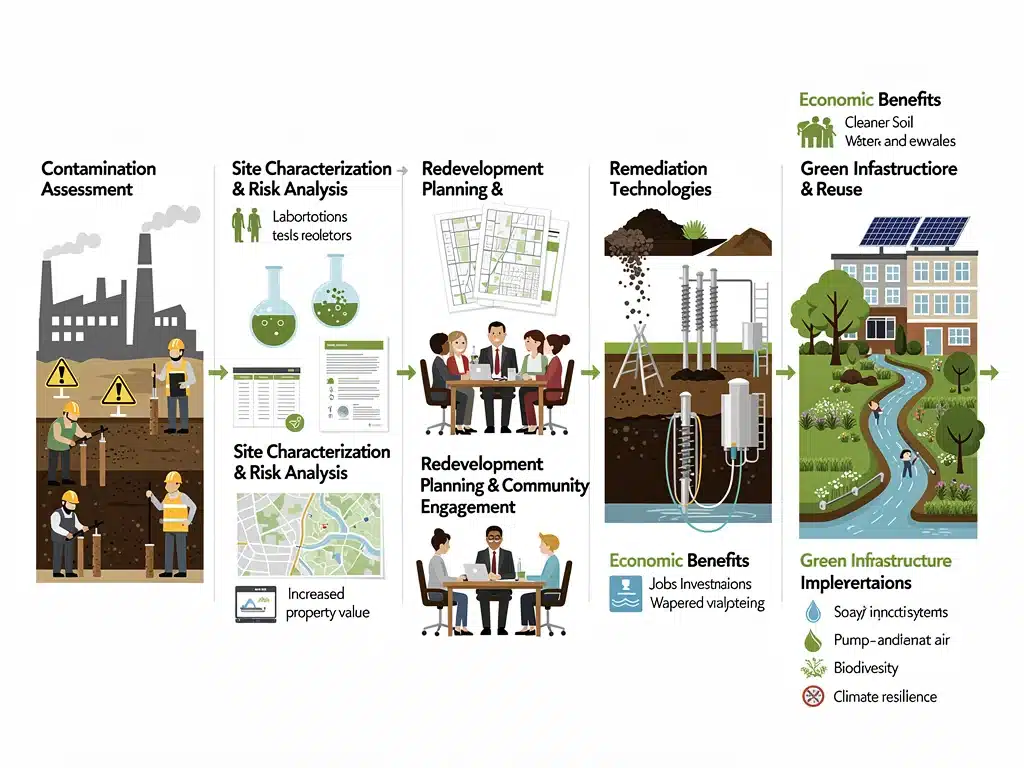
Analyzing these pioneering projects reveals critical lessons regarding project management, funding strategies, and stakeholder engagement.
These insights are invaluable for future initiatives aiming to achieve Brownfields to Greenfields. Learning from experience is paramount.
- Early Stakeholder Engagement: Essential for building consensus and addressing community concerns from the outset.
- Flexible Funding Strategies: Combining federal, state, and private funds to cover diverse project costs.
- Innovative Remediation: Employing cutting-edge technologies to achieve efficient and cost-effective cleanups.
These case studies underscore the importance of adaptability and a multi-disciplinary approach, combining environmental science, urban planning, and community development expertise.
The success stories offer practical guidance for navigating the complexities of brownfield redevelopment. They are a testament to what is possible when vision meets execution.
Challenges and Overcoming Hurdles for 2026
Despite the growing opportunities, the path from brownfield to greenfield is not without its challenges.
Complex contamination issues, legal liabilities, and fragmented ownership can complicate remediation efforts and deter potential developers. Addressing these hurdles is essential for accelerating progress toward 2026 climate goals.
Regulatory complexities and varying state-level requirements can also create bottlenecks, requiring careful navigation and expertise.
Streamlining permitting processes and harmonizing standards are critical steps toward making brownfield redevelopment more accessible and efficient. Collaboration between federal, state, and local governments is key.
Furthermore, securing adequate long-term funding and attracting sufficient skilled labor remain ongoing challenges.
Innovative financial models and robust workforce development programs are necessary to sustain the momentum of these transformative projects. These are not insurmountable obstacles but require strategic solutions.
Strategic Approaches to Mitigate Risks
Strategic approaches to mitigate these risks include comprehensive site assessments, robust legal frameworks, and targeted financial incentives.
These measures are designed to reduce uncertainty and make brownfield projects more attractive to investors and developers, ensuring that Brownfields to Greenfields remains a viable and attractive option. Proactive planning is paramount.
- Risk-Based Corrective Action (RBCA): Tailoring cleanup goals to future land use, reducing unnecessary remediation costs.
- Liability Protections: State and federal programs offering legal protections to innocent purchasers and developers.
- Workforce Development: Training programs to address the shortage of skilled labor in environmental remediation and green construction.
Overcoming these hurdles requires a concerted effort from all stakeholders, including government agencies, private industry, and local communities.
By addressing these challenges head-on, the United States can significantly accelerate the pace of brownfield redevelopment, contributing to both environmental protection and climate resilience. The commitment to overcoming these obstacles is strong.
Future Outlook: Scaling Up Green Redevelopment
The future outlook for brownfield-to-greenfield transformations is highly promising, with increasing recognition of their role in national climate strategies and sustainable urban development.
The trajectory points towards a significant scaling up of these efforts, driven by continued policy support and technological advancements. This expansion is critical for widespread impact.
As the benefits of redeveloped sites become more apparent – from carbon sequestration and renewable energy generation to improved public health and economic revitalization – more communities and investors are likely to embrace these projects.
The positive feedback loop will fuel further growth and innovation. The momentum is building rapidly.
The integration of brownfield redevelopment into broader climate action plans, such as those related to net-zero emissions and biodiversity conservation, will further solidify its importance.
The vision of a cleaner, greener, and more resilient future is increasingly tied to the successful transformation of these neglected sites. This is a long-term strategic imperative.
Anticipating Trends and Emerging Opportunities
Anticipating trends and emerging opportunities involves monitoring policy evolution, technological breakthroughs, and shifts in financial markets.
These factors will continue to shape the landscape for Brownfields to Greenfields. Staying ahead of the curve is crucial for maximizing success.
For instance, the growing focus on circular economy principles could lead to new avenues for material reuse from brownfield sites, further enhancing their sustainability credentials.
Similarly, advancements in carbon capture and storage technologies might find applications in conjunction with redevelopment projects. The possibilities are continually expanding.
The increasing emphasis on climate equity and resilience planning will also drive demand for brownfield redevelopment in vulnerable communities, offering opportunities for targeted investments and partnerships.
These emerging trends underscore the dynamic and evolving nature of this critical sector. The future holds significant promise for these transformations.
| Key Point | Brief Description |
|---|---|
| Policy Support | Federal legislation like IIJA and IRA provides substantial funding and incentives. |
| Economic Growth | Increased private investment and ESG focus drive capital towards green projects. |
| Technological Advancements | Innovative remediation and smart solutions enhance project efficiency and climate benefits. |
| Community Impact | Environmental justice and local engagement are central to equitable redevelopment. |
Frequently Asked Questions About Brownfields to Greenfields in 2026
Primary funding sources include grants from the EPA’s Brownfields Program, allocations from the Infrastructure Investment and Jobs Act (IIJA), and tax credits/incentives through the Inflation Reduction Act (IRA). Private capital, ESG investments, and green bonds also play a significant role in financing these projects. These diverse streams are critical for project viability.
Brownfield-to-greenfield projects contribute to climate solutions by enabling renewable energy installations (e.g., solar farms), creating green infrastructure for stormwater management, enhancing biodiversity through ecological restoration, and reducing urban heat island effects. They transform environmentally damaged sites into climate-resilient assets. This dual benefit is highly impactful.
Community engagement is crucial for ensuring environmental justice and project success. It involves local residents in planning, addresses community needs, and builds trust. Meaningful engagement leads to projects that provide equitable benefits, such as parks, affordable housing, or job training, directly addressing historical inequities. Local input ensures relevant and sustainable outcomes.
Main challenges include complex contamination, legal liabilities, fragmented ownership, and regulatory hurdles. Securing long-term funding and attracting a skilled workforce also pose significant obstacles. Addressing these requires strategic planning, innovative technologies, and strong public-private partnerships to ensure project feasibility and success. These are recognized, ongoing issues.
New technologies driving efficient remediation include advanced bioremediation, in-situ chemical oxidation, and phytoremediation, which break down pollutants with minimal disruption. Digital tools like GIS mapping and predictive modeling enhance site assessment and planning. These innovations reduce costs and environmental footprints, accelerating transformation. They are essential for modern projects.
Looking Ahead: Sustaining the Green Transformation
The transformation from Brownfields to Greenfields: 2026 Opportunities for Redeveloping Contaminated Sites for Climate Solutions represents a critical pivot in how the United States addresses environmental legacy and climate change.
The sustained commitment from federal agencies, coupled with growing private investment and technological innovation, sets a robust foundation for continued progress.
This momentum must be maintained to realize full potential.
Going forward, monitoring the implementation of new policies, the effectiveness of funding mechanisms, and the scaling of successful case studies will be paramount.
To explore how repurposing contaminated land directly advances clean energy targets, read RMI’s detailed guide on turning brownfields into brightfields for state energy goals.
The integration of environmental justice principles and genuine community engagement will also determine the equitable distribution of benefits from these green transformations. These are key indicators of success.
The long-term success of these initiatives hinges on continuous collaboration, adaptive strategies, and a steadfast focus on creating resilient, sustainable communities.
The journey from contaminated sites to vibrant, climate-positive spaces is not just an environmental imperative but an economic and social opportunity for the nation. It represents a significant step towards a healthier future.