IRA Environmental Justice: $60 Billion Community Investments by 2026
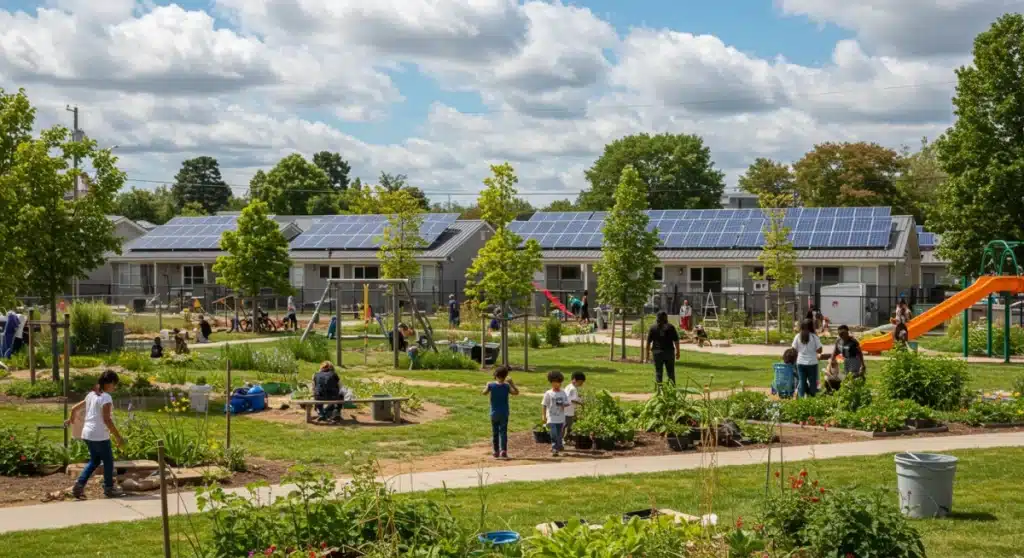
The IRA Environmental provisions are directing more than $60 billion into U.S. communities by 2026. This investment targets long-standing inequities while promoting cleaner and healthier environments.
Through the IRA Environmental framework, federal policy is redefining how environmental equity is addressed nationwide. Funding is being prioritized for communities historically affected by pollution and underinvestment.
This report explains how IRA Environmental funding works and what stakeholders should expect next. Understanding these mechanisms is key to turning investment into lasting community impact.
Understanding the Inflation Reduction Act’s Environmental Justice Mandate
The Inflation Reduction Act (IRA), signed into law in August 2022, is far more than just a climate bill; it embeds environmental justice deeply within its core.
This legislative cornerstone earmarks unprecedented funding specifically for communities that have historically borne the brunt of environmental degradation and economic neglect.
These provisions are designed to ensure that the benefits of the clean energy transition and climate resilience efforts are equitably distributed, reaching those who need them most.
The focus is on rectifying past injustices and building a more sustainable future for all Americans, particularly in low-income and minority communities.
Key Funding Streams and Allocation Mechanisms
The substantial investment under the IRA is channeled through various programs and agencies, each targeting specific aspects of environmental justice.
These funding streams are designed to be accessible to a wide range of entities, from local governments to non-profit organizations.
Understanding these mechanisms is crucial for communities looking to tap into these resources and drive local change.
The legislation provides pathways for direct grants, tax credits, and technical assistance, ensuring comprehensive support for environmental justice initiatives.
The goal is to empower communities to develop and implement projects that directly address their unique environmental and economic challenges, fostering self-sufficiency and long-term resilience.
The Environmental and Climate Justice Block Grants
A cornerstone of the IRA’s environmental justice provisions is the $3 billion allocated for Environmental and Climate Justice Block Grants.
These grants empower communities to develop and implement projects addressing pollution and climate impacts directly.
The grants prioritize community-led initiatives, supporting efforts to monitor air and water quality, reduce greenhouse gas emissions, and build climate resilience.
This direct funding model ensures that solutions are tailored to local needs and priorities, fostering genuine community ownership.
Eligibility for these grants extends to local governments, tribal governments, and non-profit organizations serving disadvantaged communities. This broad eligibility aims to maximize reach and impact across the nation.
- Grant Focus: Pollution reduction, climate resilience, green infrastructure development.
- Eligible Applicants: Local governments, tribal governments, community-based non-profits.
- Impact: Direct funding for community-identified environmental and health priorities.
Clean Energy and Energy Efficiency Programs
The IRA also directs significant funding towards clean energy and energy efficiency projects within environmental justice communities.
These investments aim to lower energy costs, reduce reliance on fossil fuels, and create healthier indoor and outdoor environments.
Programs like the Greenhouse Gas Reduction Fund, with its $27 billion allocation, include specific carve-outs for projects benefiting low-income and disadvantaged communities. This fund supports innovative clean energy technologies and financing mechanisms.
The deployment of renewable energy, energy efficiency upgrades for homes and businesses, and electric vehicle infrastructure are key areas of focus. These initiatives are designed to deliver both environmental benefits and economic opportunities.
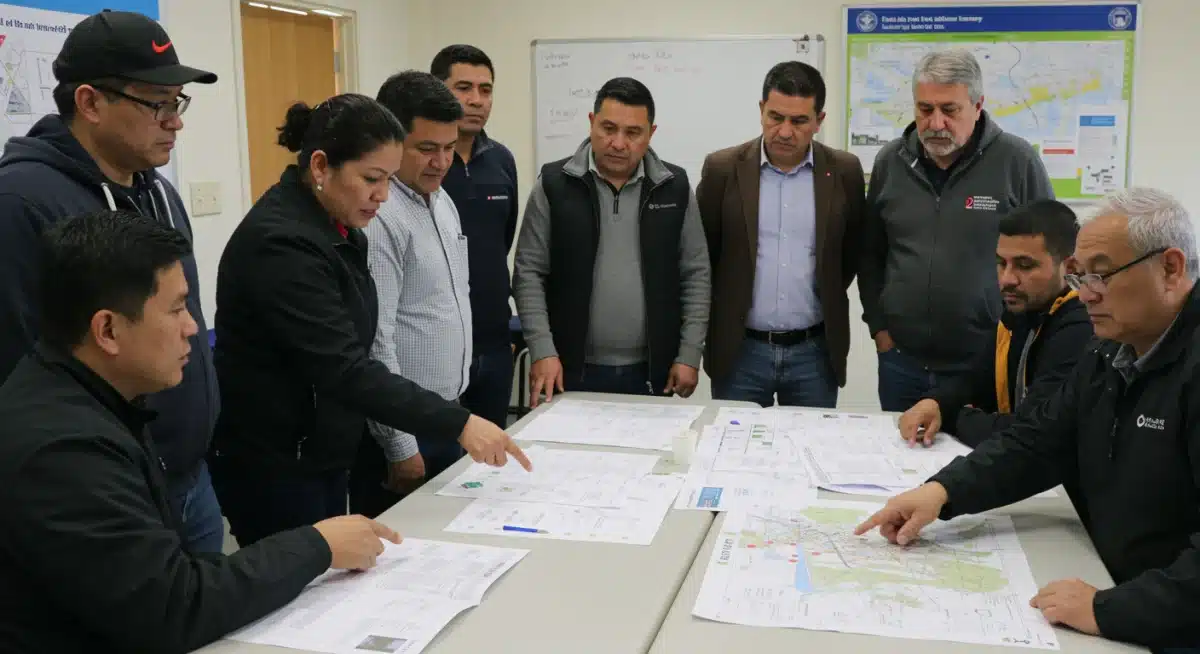
Impact on Underserved Communities: A New Era of Investment
The IRA Environmental Justice Investments are poised to bring about transformative changes in communities that have long suffered from environmental injustices.
This influx of capital is not merely about funding projects; it is about rebuilding trust, fostering equity, and creating pathways to sustainable prosperity.
Historically, these communities have faced disproportionate exposure to pollution from industrial facilities, inadequate infrastructure, and limited access to green spaces.
The IRA seeks to reverse these trends by providing resources for tangible improvements in public health and environmental quality.
The focus on community-led initiatives ensures that solutions are culturally appropriate and address the specific needs and priorities identified by residents themselves. This bottom-up approach is critical for effective and sustainable change.
Addressing Legacy Pollution and Health Disparities
Many environmental justice communities are burdened by legacy pollution, including contaminated sites and outdated infrastructure. The IRA provides funding to remediate these sites and reduce exposure to harmful pollutants.
Investments in air quality monitoring, lead pipe replacement, and safe drinking water infrastructure are critical components of this effort.
These measures directly improve public health outcomes and reduce chronic disease rates often linked to environmental hazards.
By cleaning up contaminated areas and improving essential services, the IRA aims to create healthier living environments for residents, particularly children and the elderly, who are most vulnerable to environmental toxins.
- Key Initiatives: Site remediation, air quality improvements, water infrastructure upgrades.
- Health Benefits: Reduced exposure to pollutants, lower rates of respiratory and chronic illnesses.
- Long-term Goal: Eradicate the disproportionate health burdens faced by disadvantaged communities.
The Role of Justice40 Initiative in IRA Implementation
The Justice40 Initiative, established by President Biden, mandates that 40% of the overall benefits from certain federal investments flow to disadvantaged communities.
The Inflation Reduction Act’s environmental justice provisions are deeply intertwined with this initiative, ensuring equitable distribution of resources.
This commitment means that a significant portion of the $60 billion in IRA Environmental Justice Investments will directly benefit those communities most in need.
It provides a clear framework for accountability and directs agencies to prioritize investments in identified disadvantaged areas.
The Justice40 Initiative enhances the impact of the IRA by institutionalizing equity as a core principle in federal funding decisions. It serves as a powerful tool to measure progress and ensure that the promised benefits reach their intended recipients.
Challenges and Opportunities for Community Engagement
While the funding opportunities are immense, navigating the complex landscape of federal grants and programs presents challenges for many communities.
Accessing these funds requires significant capacity, technical expertise, and an understanding of application processes.
However, these challenges also present opportunities for increased community engagement and capacity building. Federal agencies, alongside non-profit organizations, are working to provide technical assistance and support to help communities overcome these hurdles.
Empowering local leaders and organizations to successfully apply for and manage these funds is crucial for maximizing the impact of the IRA Environmental Justice Investments.
Collaborative efforts between government, community groups, and academic institutions can help bridge existing gaps.
Building Capacity for Grant Applications
Many small, grassroots organizations in disadvantaged communities lack the resources to develop competitive grant applications. The IRA recognizes this barrier and includes provisions for technical assistance to help build this capacity.
Partnerships with experienced grant writers, environmental consultants, and planning experts can be invaluable.
These collaborations can help communities articulate their needs effectively and design projects that align with federal funding priorities.
Workshops, training programs, and direct consultation services are being offered to demystify the application process and empower communities to secure the funding they deserve.
This support is vital for the successful implementation of the IRA Environmental Justice Investments.
Monitoring Progress and Ensuring Accountability
Given the scale of the IRA Environmental Justice Investments, robust mechanisms for monitoring progress and ensuring accountability are paramount.
Transparency in funding allocation and project outcomes is essential to build public trust and demonstrate the effectiveness of these provisions.
Federal agencies are tasked with tracking how funds are distributed, the types of projects supported, and the tangible benefits realized in disadvantaged communities. This data will be crucial for evaluating the long-term impact of the IRA’s environmental justice mandate.
Independent oversight and community-led monitoring efforts will also play a vital role in ensuring that the investments achieve their intended goals. Public dashboards and accessible reporting will provide stakeholders with the information needed to hold decision-makers accountable.
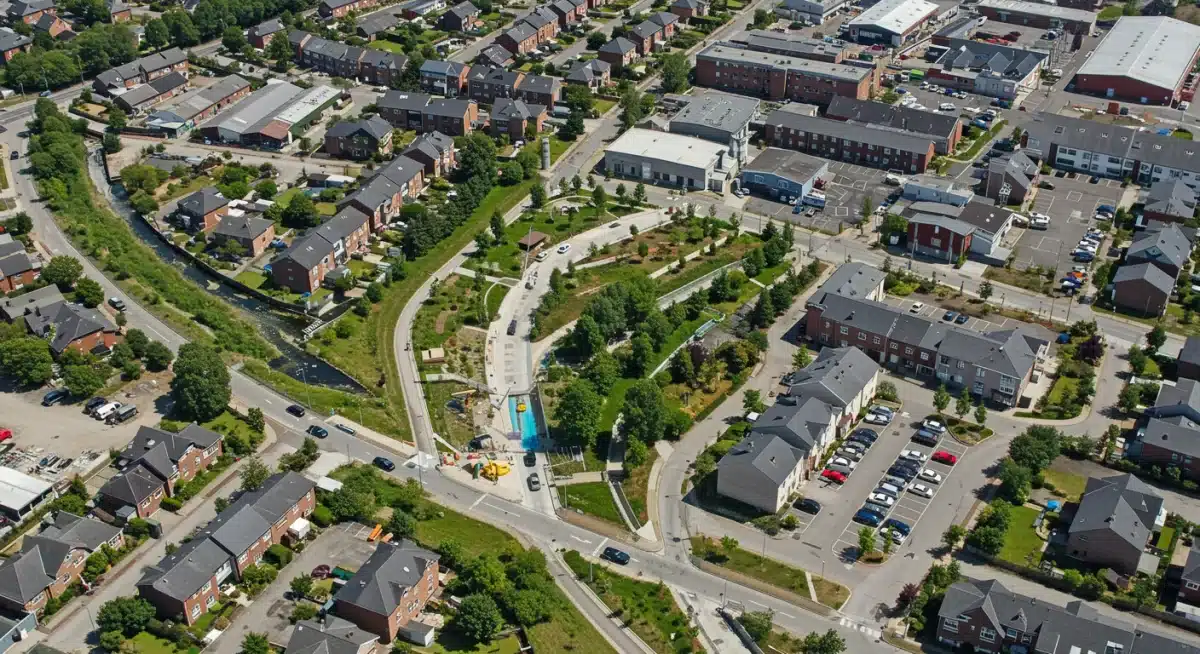
Future Outlook: Sustaining Momentum Beyond 2026
The initial commitment of over $60 billion through 2026 under the Inflation Reduction Act’s environmental justice provisions marks a significant starting point. However, sustaining this momentum and building upon early successes will be crucial for lasting change.
The structures and partnerships established during this initial phase will lay the groundwork for future environmental justice initiatives. Continued advocacy, policy development, and sustained funding will be necessary to fully realize the vision of environmental equity.
The IRA Environmental Justice Investments are not a one-time fix but rather a catalyst for a long-term commitment to addressing systemic environmental injustices. The period beyond 2026 will require continued vigilance and innovation to maintain progress.
| Key Point | Brief Description |
|---|---|
| Total Investment | Over $60 billion allocated for environmental justice initiatives by 2026. |
| Key Programs | Environmental and Climate Justice Block Grants, Greenhouse Gas Reduction Fund. |
| Justice40 Initiative | Ensures 40% of benefits reach disadvantaged communities. |
| Community Impact | Addresses pollution, improves public health, creates green jobs in underserved areas. |
Frequently Asked Questions About IRA Environmental Justice Investments
The primary goal is to address historical environmental injustices by directing significant investments towards disadvantaged communities. This aims to reduce pollution, improve public health, and create economic opportunities in areas disproportionately affected by environmental degradation.
The Inflation Reduction Act’s environmental justice provisions are unlocking over $60 billion in community investments by 2026. This substantial funding is distributed across various programs designed to support diverse environmental and climate initiatives.
The investments prioritize disadvantaged communities, identified based on criteria such as socioeconomic status, environmental burden, and historical underinvestment. The Justice40 Initiative ensures that 40% of certain federal investments benefit these communities directly.
Eligible projects include those focused on pollution reduction, climate resilience, clean energy deployment, energy efficiency upgrades, and green infrastructure development. Funding supports community-led initiatives that directly address local environmental and health priorities.
Communities can access funds primarily through federal grant programs, such as the Environmental and Climate Justice Block Grants. Resources for technical assistance and capacity building are also available to help local governments and non-profits navigate the application process.
What This Means
The Inflation Reduction Act’s environmental justice provisions are catalyzing a transformative era for underserved communities across the United States.
The commitment of over $60 billion in IRA Environmental Justice Investments by 2026 signifies a profound shift towards equitable climate action and economic development.
Stakeholders must remain engaged, leveraging these funds to build enduring resilience and foster healthier environments.
The success of these provisions will ultimately be measured by the tangible improvements seen in the lives of those who have long awaited environmental justice.