Policy Shifts in Waste Management: 7 Key Changes for US Businesses in 2025
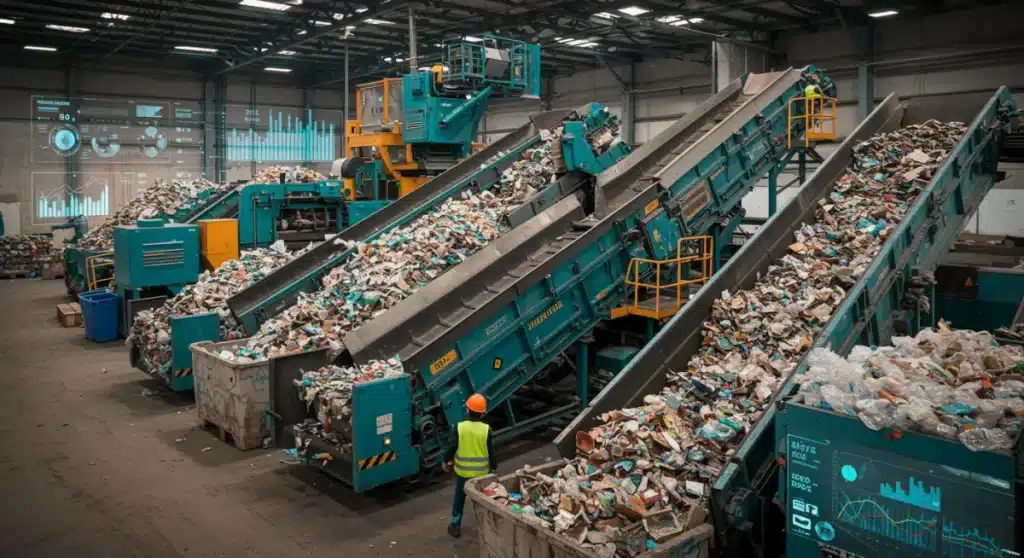
Seven significant waste management policy shifts are poised to reshape U.S. business operations in 2025, demanding proactive adaptation and innovative solutions to ensure compliance and sustainability.
As 2025 rapidly approaches, businesses across the United States face significant adjustments due to impending Policy Shifts in Waste Management: 7 Key Changes Affecting U.S. Businesses in 2025 (RECENT UPDATES, PRACTICAL SOLUTIONS). These updates are set to redefine how companies handle waste, emphasizing sustainability and circular economy principles. Understanding these changes now is crucial for proactive planning and maintaining operational efficiency.
Expanded Producer Responsibility (EPR) Mandates
The landscape of waste management is undergoing a significant transformation with the expansion of Extended Producer Responsibility (EPR) mandates across several states. These policies fundamentally shift the financial and operational burden of waste management from municipalities to the producers of goods, particularly packaging and certain electronics.
Businesses must now account for the full lifecycle of their products, from design to end-of-life disposal or recycling. This includes funding collection, sorting, and processing infrastructure. States like Oregon and Colorado have already implemented robust EPR laws, with more states expected to follow suit, creating a complex patchwork of regulations for national businesses.
New Packaging Regulations
EPR for packaging is a primary focus, pushing companies to redesign products for recyclability and incorporate recycled content. This aims to reduce virgin material use and minimize landfill waste. Businesses will need to invest in new material science and supply chain adjustments to meet these evolving standards.
- Material Redesign: Emphasis on single-material packaging for easier recycling.
- Recycled Content Quotas: Mandates for a minimum percentage of recycled materials in new products.
- Labeling Requirements: Clear and standardized labeling to inform consumers about recycling instructions.
Increased Focus on Food Waste Reduction
Food waste continues to be a significant environmental and economic issue, and 2025 will see intensified efforts to curb it. New policies are emerging at both federal and state levels, targeting businesses in the food service, retail, and manufacturing sectors. These regulations often include diversion mandates and reporting requirements, pushing businesses towards more sustainable practices.
The goal is to reduce methane emissions from landfills and recover valuable resources. Many states are now requiring large generators of food waste to compost it or donate edible surplus food, rather than sending it to landfills. This necessitates new infrastructure and operational changes for many businesses.
Mandatory Food Waste Diversion
Several states and major cities are enacting laws that mandate the diversion of food waste from landfills. This directly impacts restaurants, grocery stores, hotels, and food processing plants, requiring them to establish partnerships with composting facilities or food banks. Compliance often involves detailed tracking and reporting of waste streams.
- Composting Requirements: Businesses must separate organic waste for composting.
- Food Donation Incentives: Enhanced liability protections and tax incentives for donating surplus food.
- Waste Audits: Regular audits to identify sources of food waste and implement reduction strategies.
Stricter Regulations on Plastic Waste
The global concern over plastic pollution is translating into more stringent regulations across the U.S. in 2025. These policies aim to reduce single-use plastics, promote reusable alternatives, and improve plastic recycling rates. Businesses will face bans on specific plastic items and increased pressure to innovate their product design and delivery models.
States are increasingly adopting policies that restrict the distribution of plastic bags, straws, and other disposable items. This trend is pushing businesses to explore sustainable alternatives and invest in circular economy models to minimize their plastic footprint. The focus is not just on recycling, but on reducing plastic consumption at its source.
Enhanced Data Reporting and Transparency
A significant shift in 2025 involves enhanced data reporting and transparency requirements for waste generation and management. Regulatory bodies are demanding more granular data from businesses to track progress towards sustainability goals and ensure compliance with new policies. This will require businesses to invest in robust data collection and management systems.
The push for data transparency extends beyond mere compliance; it’s also about empowering consumers and stakeholders with information about a company’s environmental performance. This means businesses will need to be prepared to publicly disclose their waste metrics, recycling rates, and efforts to reduce environmental impact. Accurate and verifiable data will become a critical asset.

Digital Tracking and Compliance Platforms
To meet these new reporting demands, businesses are increasingly turning to digital solutions. Specialized software and platforms are emerging to help track waste streams, manage compliance documentation, and generate required reports. These tools can automate much of the data collection process, reducing the administrative burden and improving accuracy.
- Real-time Waste Tracking: Systems to monitor waste generation and diversion in real-time.
- Automated Compliance Reporting: Software that generates reports conforming to regulatory standards.
- Supply Chain Transparency: Tools to trace materials and products throughout their lifecycle.
Investment in Circular Economy Initiatives
The concept of a circular economy, where waste is minimized and resources are kept in use for as long as possible, is moving from aspiration to policy. In 2025, expect to see more government incentives and mandates encouraging businesses to adopt circular practices. This includes product-as-a-service models, repair and reuse programs, and industrial symbiosis initiatives.
These initiatives aim to decouple economic growth from resource consumption. Businesses that embrace circularity can find new revenue streams, reduce operational costs, and enhance their brand reputation. Government support, through grants, tax breaks, and technical assistance, will be crucial in accelerating this transition.
Emergence of Carbon-Neutral Waste Solutions
As the urgency of climate change intensifies, there’s a growing push for carbon-neutral waste solutions. Businesses will face increasing pressure, and potentially new regulations, to adopt waste management practices that minimize greenhouse gas emissions. This includes exploring advanced recycling technologies, waste-to-energy processes with carbon capture, and optimized logistics.
The shift towards carbon neutrality in waste management will require significant innovation and investment. Companies will need to evaluate their entire waste ecosystem, from collection and transportation to processing and disposal, to identify areas for emission reduction. This could involve adopting electric waste collection vehicles or investing in facilities that convert waste into low-carbon fuels.
Increased Penalties for Non-Compliance
With the introduction of more comprehensive and stringent waste management policies, regulatory bodies are also expected to impose higher penalties for non-compliance starting in 2025. This reflects a growing governmental commitment to enforcing environmental protection laws more rigorously. Businesses should anticipate increased scrutiny and a lower tolerance for infractions.
These penalties can range from substantial fines and mandatory remediation efforts to reputational damage and legal action. The financial and operational risks associated with non-compliance will be significantly elevated. Therefore, understanding and adhering to all new regulations will not just be good practice, but a critical imperative for business continuity and legal standing.
| Key Policy Shift | Brief Description |
|---|---|
| Expanded Producer Responsibility (EPR) | Producers now bear more financial and operational responsibility for product end-of-life. |
| Food Waste Reduction Mandates | Increased requirements for businesses to divert food waste from landfills through composting or donation. |
| Stricter Plastic Regulations | Bans on single-use plastics and mandates for recycled content and reusable alternatives. |
| Enhanced Data Reporting | Mandatory, detailed reporting on waste generation and management for transparency and compliance. |
Frequently Asked Questions About 2025 Waste Policies
▼
EPR shifts responsibility for a product’s lifecycle from consumers to producers. For businesses, this means potentially funding and managing the collection, recycling, and disposal of your products and packaging post-consumer, requiring supply chain adjustments and new financial models.
▼
Businesses in the food service sector, including restaurants, cafeterias, grocery stores, and food manufacturers, are most affected. They will likely face mandates to divert food waste from landfills through composting, anaerobic digestion, or donation programs, requiring operational changes.
▼
Businesses should proactively review their use of single-use plastics, explore reusable or compostable alternatives, and invest in product redesign for better recyclability. Staying informed about state-specific bans and recycled content mandates is also crucial for timely adaptation.
▼
Enhanced data reporting means businesses will need robust systems to track waste generation, diversion, and disposal. This data will be used for compliance, public transparency, and to inform future policy. Accurate reporting is essential to avoid penalties and demonstrate environmental commitment.
▼
Carbon-neutral waste solutions are methods that minimize greenhouse gas emissions throughout the waste management process, such as advanced recycling, waste-to-energy with carbon capture, and optimized logistics. They are vital for mitigating climate change and achieving broader sustainability goals.
What Happens Next
The upcoming Policy Shifts in Waste Management: 7 Key Changes Affecting U.S. Businesses in 2025 signal a profound transformation in how waste is perceived and managed across the nation. Businesses that adopt a proactive stance, investing in sustainable practices, circular economy models, and robust data management, will be better positioned to navigate these changes successfully. The regulatory landscape is moving towards greater accountability and environmental stewardship, and companies that embrace this shift will not only ensure compliance but also unlock new opportunities for innovation and competitive advantage in the evolving green economy. The coming months will be critical for strategic planning and implementation.