Water Scarcity in the Southwest U.S.: 3 Immediate Solutions for 2026 Drought Management
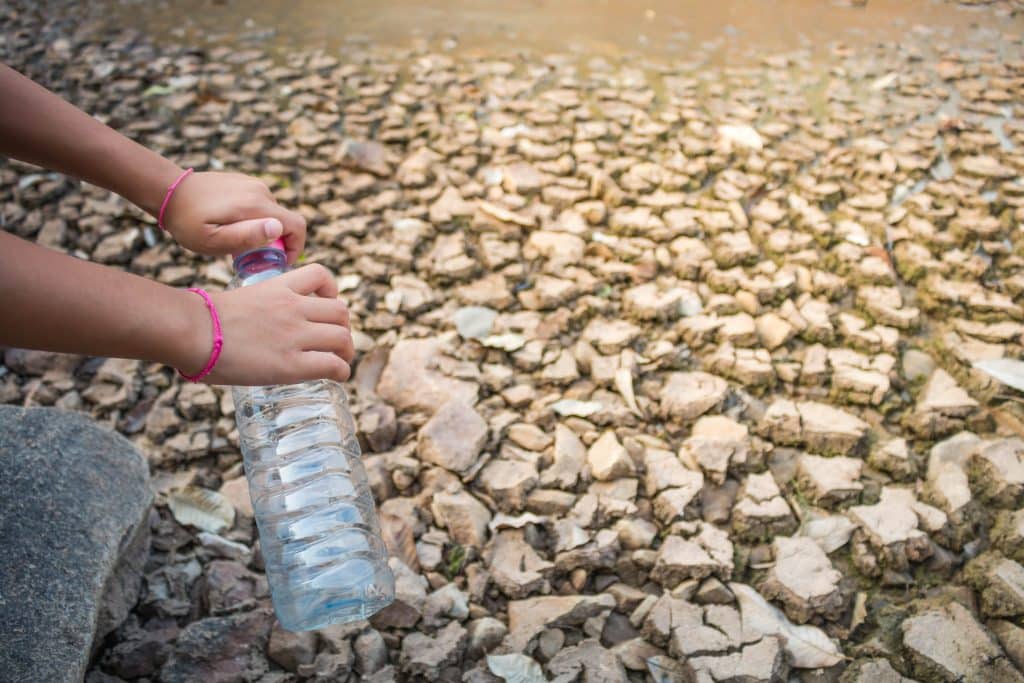
Latest developments on Water Scarcity in the Southwest U.S. show worsening drought conditions, with reservoirs like the Colorado River Basin under sustained pressure. Officials report declining water levels and stricter usage policies affecting millions of residents.
Recent updates highlight three immediate solutions: aggressive water conservation measures, investment in recycling and reuse systems, and infrastructure upgrades to reduce waste. These strategies are being prioritized to deliver short-term impact before 2026.
Looking ahead, stakeholders should monitor policy enforcement, climate patterns, and regional water agreements. Key factors include state-level restrictions, agricultural water use, and long-term sustainability efforts to prevent deeper shortages.
Understanding the Escalating Water Crisis in the Southwest U.S.
The American Southwest is in the grip of a multi-decade megadrought, severely depleting major water sources like the Colorado River and its primary reservoirs, Lake Mead and Lake Powell.
This prolonged dry spell, exacerbated by climate change, has pushed regional water supplies to critically low levels, threatening agricultural production, energy generation, and urban water access.
Scientific consensus indicates that rising temperatures are intensifying evaporation and reducing snowpack, which historically feeds the region’s rivers. The implications for Southwest U.S. Water Scarcity are profound, affecting everything from daily household use to the economic stability of several states.
Federal and state agencies are issuing increasingly dire warnings, emphasizing the urgent need for comprehensive and immediate solutions. The current trajectory suggests that without swift intervention, the region could face unprecedented restrictions and ecological damage by 2026.
Historical Context of Drought Conditions
The Southwest has always experienced natural cycles of wet and dry periods, but the current drought stands out for its severity and duration. Paleoclimatic studies reveal that the present conditions are among the driest in the last 1,200 years, underscoring the exceptional nature of this crisis.
This historical perspective highlights that while drought is not new, the intensity and persistent nature of this particular event are unprecedented. It challenges conventional water management approaches and necessitates innovative thinking to address Southwest U.S. Water Scarcity effectively.
Understanding these historical patterns provides critical context for current policy decisions, emphasizing that short-term fixes must also lay groundwork for long-term resilience against a changing climate. The lessons from past droughts offer valuable insights into sustainable resource management.
- Early 2000s: Start of the current megadrought, marking a significant shift in regional hydrology.
- 2010s: Intensification of drought, leading to initial mandatory water restrictions and increased awareness.
- 2020s: Record-low reservoir levels and federal declarations of water shortages, signaling acute crisis.
- 2026 Projections: Continued severe drought, necessitating immediate and drastic management strategies.
Immediate Solution 1: Aggressive Water Conservation and Efficiency Programs
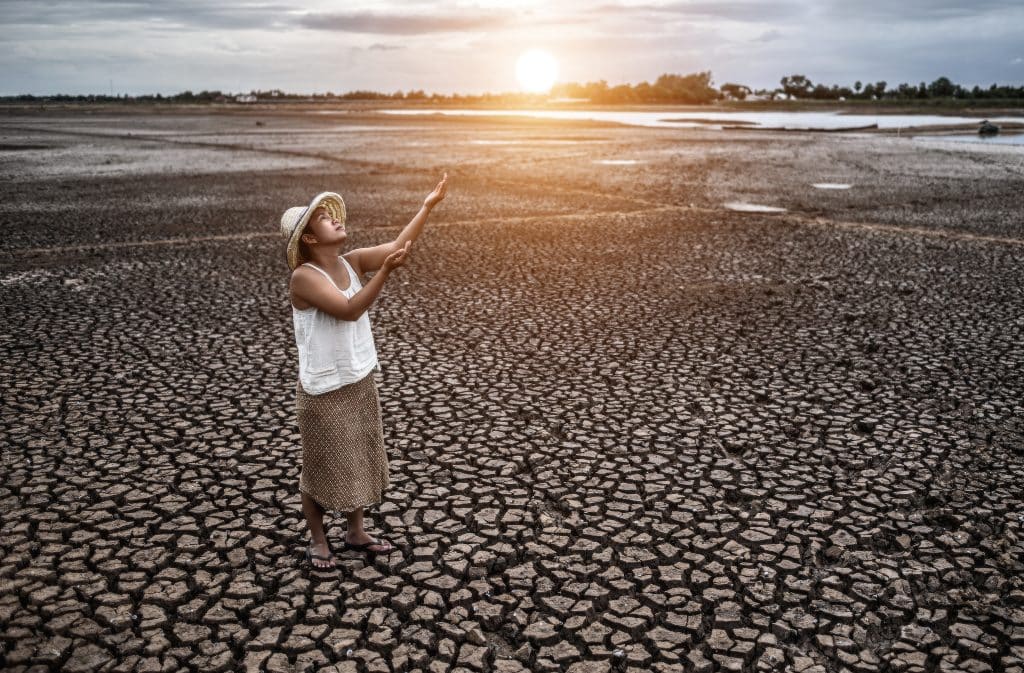
Immediate Solution 1: Aggressive Water Conservation and Efficiency Programs
One of the most direct and immediately impactful strategies to combat Southwest U.S. Water Scarcity is the widespread implementation of aggressive water conservation and efficiency programs. These initiatives aim to reduce demand across all sectors, from urban households to agricultural operations, through a combination of public awareness campaigns, incentives, and regulatory measures.
Cities like Las Vegas and Tucson have already demonstrated remarkable success in reducing per capita water use through innovative conservation efforts. Expanding these proven models across the entire Southwest is crucial for generating significant water savings by 2026, creating a buffer against future shortages.
Effective conservation requires a multi-pronged approach, engaging every segment of society in responsible water stewardship. It is not merely about using less, but about using water more intelligently and efficiently in every application.
Urban and Residential Conservation Initiatives
Urban areas represent a significant portion of water consumption, making residential conservation a cornerstone of drought management. Programs focusing on landscape conversion, leak detection, and efficient appliance rebates can yield substantial savings.
Public education campaigns are vital to foster a culture of conservation, informing residents about simple yet effective practices. These efforts empower individuals to contribute directly to mitigating Southwest U.S. Water Scarcity through daily choices.
Mandatory water restrictions, including limitations on outdoor watering and car washing, become increasingly necessary as drought conditions worsen. These measures, while sometimes unpopular, are essential for ensuring equitable distribution and preserving critical reserves.
- Incentives for xeriscaping: Financial aid to replace water-intensive lawns with drought-tolerant landscaping.
- Smart irrigation systems: Promotion of technologies that optimize water use for outdoor plants.
- Leak detection and repair programs: Subsidies for homeowners to identify and fix costly plumbing leaks.
- Residential appliance rebates: Encouraging the adoption of water-efficient washing machines, dishwashers, and toilets.
Agricultural Water Efficiency Improvements
Agriculture accounts for approximately 80% of water use in the Southwest, making efficiency improvements in this sector paramount. Modernizing irrigation techniques from flood irrigation to drip systems can dramatically reduce water consumption while maintaining crop yields.
Technological advancements, such as soil moisture sensors and precision agriculture, allow farmers to apply water only when and where it is needed. These innovations are critical for addressing Southwest U.S. Water Scarcity without compromising the region’s vital food supply.
Policy changes, including water markets and revised water rights, can also incentivize more efficient agricultural practices. These economic levers encourage farmers to invest in technologies and methods that conserve water for the entire region.
Immediate Solution 2: Investing in Water Infrastructure Upgrades and Modernization
Aging water infrastructure across the Southwest U.S. contributes significantly to water loss through leaks, inefficient delivery systems, and outdated treatment facilities. A critical immediate solution for 2026 drought management involves substantial investment in upgrading and modernizing this infrastructure.
These upgrades are not merely about fixing existing problems; they are about building a more resilient and efficient water delivery network capable of withstanding prolonged drought conditions. Modern infrastructure can reduce unaccounted-for water loss and improve overall system reliability.
Prioritizing these infrastructure projects now ensures that existing water resources are utilized to their maximum potential. This proactive approach is essential for mitigating the impacts of Southwest U.S. Water Scarcity in the coming years.
Repairing and Replacing Leaky Pipes and Canals
Billions of gallons of water are lost annually through dilapidated pipes and canals in the Southwest. Identifying and systematically repairing or replacing this failing infrastructure is a high-priority intervention that can yield immediate and substantial water savings.
Many municipal water systems are decades old, originally designed for different population densities and climate realities. Modern materials and construction techniques offer vastly improved durability and efficiency, directly addressing water loss due to infrastructure decay, a key factor in Southwest U.S. Water Scarcity.
Federal funding and state-level initiatives are being directed towards these critical infrastructure projects. Public-private partnerships are also emerging as a viable model for accelerating the necessary repairs and replacements across the region.
Developing Advanced Water Treatment and Recycling Facilities
Recycling wastewater for non-potable or even potable uses represents a significant untapped resource in the Southwest. Investing in advanced water treatment and recycling facilities can effectively expand the region’s available water supply, alleviating pressure on traditional sources.
Technologies like advanced oxidation processes and membrane filtration can purify wastewater to extremely high standards, making it suitable for irrigation, industrial processes, and even direct potable reuse. This innovation is crucial for building resilience against Southwest U.S. Water Scarcity.
Several cities are already pioneering these technologies, demonstrating their efficacy and safety. Scaling up these successful models across the region is a vital step towards securing a sustainable water future, transforming what was once waste into a valuable resource.
- Direct Potable Reuse (DPR): Treating wastewater to drinking water standards and introducing it directly into the potable water supply.
- Indirect Potable Reuse (IPR): Treating wastewater and then introducing it into environmental buffers like reservoirs or aquifers before it’s used for drinking.
- Non-potable Reuse: Using treated wastewater for irrigation of landscapes, golf courses, and agricultural fields, or industrial cooling.
- Stormwater Capture: Building infrastructure to collect and treat rainwater runoff, preventing it from being lost and replenishing local supplies.
Immediate Solution 3: Innovative Water Management Policies and Interstate Cooperation
Addressing Southwest U.S. Water Scarcity effectively requires not only technological and behavioral changes but also robust policy frameworks and enhanced interstate cooperation. The Colorado River Compact, which allocates water among seven states, needs urgent re-evaluation and adaptation to current hydrological realities.
New policies must incentivize sustainable water practices, penalize wasteful use, and provide clear guidelines for managing increasingly scarce resources. Legal and regulatory innovations are pivotal for ensuring equitable distribution and long-term water security.
Interstate collaboration is particularly critical, given that major water sources cross state lines. A unified approach, rather than fragmented state-by-state efforts, will be far more effective in navigating the complexities of regional water management and mitigating Southwest U.S. Water Scarcity.
Reforming Water Rights and Allocation Systems
Many existing water rights systems in the Southwest are based on historical claims that do not reflect current water availability or population distribution. Reforming these systems to be more flexible and responsive to drought conditions is a critical policy imperative.
Implementing market-based mechanisms, where water rights can be traded, could allow water to flow to its most economically and environmentally efficient uses. This approach encourages conservation and provides financial incentives for efficiency, directly impacting Southwest U.S. Water Scarcity.
Any reforms must be carefully negotiated to ensure fairness and protect vulnerable communities and ecosystems. The process is complex, but the urgency of the drought demands that these difficult conversations begin now to secure solutions by 2026.
Enhancing Interstate and Federal Collaboration
The Colorado River Basin, which supplies water to 40 million people, is governed by a complex web of agreements and compacts. The severity of the drought necessitates unprecedented levels of cooperation among the basin states and the federal government to redefine allocation rules.
Negotiating new agreements that reflect the diminished water supply is essential to avoid future conflicts and ensure a sustainable future for the region. These discussions are ongoing, with federal agencies playing a crucial role in mediating and facilitating solutions for Southwest U.S. Water Scarcity.
Joint projects, such as shared desalination plants or coordinated cloud seeding efforts, can also emerge from enhanced collaboration. These collective actions offer economies of scale and shared benefits that individual states might not achieve alone.
The Role of Technology in Mitigating Future Droughts
Beyond the immediate solutions, technology offers promising avenues for long-term drought resilience and mitigating future instances of Southwest U.S. Water Scarcity. Innovations in areas like desalination, atmospheric water generation, and advanced monitoring systems are rapidly evolving, providing new tools for water management.
While some of these technologies may not be fully scalable for immediate deployment by 2026, investing in their research and development now is crucial for futureproofing the region. They represent the next generation of solutions in the ongoing battle against water scarcity.
Integrating these technological advancements with policy and conservation efforts will create a multi-layered defense against climate change impacts. The strategic adoption of new tech can transform how the Southwest manages its most precious resource.
Desalination and Atmospheric Water Generation
Desalination, particularly of brackish groundwater, offers a potential new source of water, especially for coastal or near-coastal communities. While energy-intensive, advancements in membrane technology are making it more efficient and cost-effective, directly addressing Southwest U.S. Water Scarcity.
Atmospheric water generation, though still in its nascent stages, involves extracting water vapor directly from the air. As technology improves, this could become a localized solution for communities without access to traditional water sources, offering a novel approach to water supply.
These technologies are not without their challenges, including environmental impacts and high operational costs. However, ongoing research aims to overcome these hurdles, making them more viable options in the coming decades.
Advanced Monitoring and Predictive Modeling
Satellite imagery, IoT sensors, and artificial intelligence are revolutionizing water monitoring and predictive modeling. These tools provide real-time data on water levels, soil moisture, and weather patterns, enabling more informed and proactive drought management strategies.
Predictive models can forecast drought severity and duration with greater accuracy, allowing policymakers to implement interventions before a crisis fully develops. This foresight is invaluable for managing Southwest U.S. Water Scarcity effectively and minimizing its economic and social impacts.
By leveraging big data and sophisticated analytics, water managers can optimize reservoir operations, allocate resources more efficiently, and develop early warning systems for communities. This digital transformation of water management is a game-changer for regional resilience.
Community Engagement and Public Awareness Campaigns
Effective drought management is not solely the responsibility of governments and agencies; it requires the active participation of every community member. Public awareness campaigns play a crucial role in educating citizens about the severity of Southwest U.S. Water Scarcity and the importance of individual actions.
These campaigns must clearly communicate the ‘why’ behind conservation efforts, connecting daily choices to the broader regional water supply. Empowered and informed citizens are more likely to adopt water-saving behaviors and support necessary policy changes.
Local initiatives, such as water-wise gardening workshops, school programs, and community challenges, can foster a collective sense of responsibility. Engaging communities directly ensures that solutions are not just top-down but are embraced and implemented from the ground up.
Educating for Water-Wise Living
Educational programs tailored for schools and community groups can instill water-saving habits from a young age and among all demographics. Understanding the local water cycle and the sources of drinking water helps build appreciation for this finite resource.
Workshops on efficient landscaping, appliance maintenance, and leak detection provide practical skills that translate into tangible water savings. These hands-on approaches empower individuals to become active participants in mitigating Southwest U.S. Water Scarcity.
Public service announcements and online resources can further disseminate vital information, reaching a broad audience. Consistent messaging across various platforms reinforces the urgency and collective nature of the water challenge.
Incentivizing Sustainable Practices
Beyond education, offering incentives for adopting water-efficient practices can accelerate behavior change. Rebates for low-flow fixtures, smart irrigation controllers, and drought-tolerant plants encourage residents to invest in water-saving technologies.
Recognition programs for water-efficient businesses and homeowners can create a positive feedback loop, highlighting success stories and encouraging others to follow suit. These incentives make sustainable choices more attractive and accessible, directly addressing Southwest U.S. Water Scarcity.
Policies that support local businesses in developing and offering water-saving products and services also contribute to a robust ecosystem of conservation. Economic drivers can become powerful allies in the fight against drought.
Challenges and Obstacles to Implementation
While the immediate solutions for Southwest U.S. Water Scarcity are clear, their implementation faces significant challenges. Political will, funding limitations, and public resistance can impede progress, requiring strategic navigation and sustained commitment from all stakeholders.
The scale of the problem demands coordinated action across multiple jurisdictions, often with competing interests. Overcoming these political and bureaucratic hurdles is as critical as developing the solutions themselves.
Public acceptance of new policies and infrastructure projects is also vital. Transparent communication and community engagement are essential to build trust and garner support for the necessary, sometimes difficult, changes required to address Southwest U.S. Water Scarcity.
Funding and Political Will
Implementing large-scale infrastructure projects and comprehensive conservation programs requires substantial financial investment. Securing adequate funding from federal, state, and local sources remains a significant hurdle, especially amidst competing budgetary priorities.
Political will, or the lack thereof, can make or break critical water initiatives. Long-term commitment from elected officials and bipartisan support are essential for sustaining momentum and ensuring that solutions for Southwest U.S. Water Scarcity are not derailed by political shifts.
Advocacy groups and concerned citizens play a crucial role in lobbying for increased funding and political prioritization of water issues. Their sustained pressure can help ensure that water scarcity remains at the forefront of policy agendas.
Interstate Disputes and Equity Concerns
The complex legal framework governing water allocation in the Colorado River Basin often leads to interstate disputes, complicating efforts to implement unified drought management strategies.
Reaching consensus among all basin states on reduced allocations is a monumental task, directly impacting Southwest U.S. Water Scarcity.
Concerns about equity, particularly regarding the disproportionate impact of water restrictions on vulnerable communities or specific economic sectors, must be carefully addressed. Solutions must be designed to be fair and just, preventing undue burdens on any single group.
Mediation and collaborative negotiation are paramount to resolving these disputes. Federal leadership can play a vital role in facilitating discussions and brokering agreements that serve the collective good of the entire Southwest region.
| Key Solution | Brief Description |
|---|---|
| Aggressive Conservation | Implementing urban and agricultural efficiency programs to reduce water demand. |
| Infrastructure Upgrades | Investing in pipe repairs, water recycling, and advanced treatment facilities. |
| Policy & Cooperation | Reforming water rights and enhancing interstate collaboration for unified management. |
| Technological Advancements | Exploring desalination, atmospheric water generation, and predictive modeling for future resilience. |
Frequently Asked Questions About Southwest Water Scarcity
The primary cause is a multi-decade megadrought, exacerbated significantly by climate change. Rising temperatures increase evaporation and reduce snowpack, leading to historically low water levels in key reservoirs like Lake Mead and Lake Powell, directly impacting the availability of water for millions.
Some solutions, like aggressive conservation measures and targeted infrastructure repairs, can show noticeable impacts within 12-18 months. Larger policy reforms and extensive infrastructure upgrades might take longer to fully implement but are critical for achieving substantial improvements by 2026 and beyond.
Individuals play a crucial role through daily water conservation habits, such as reducing outdoor watering, fixing leaks, and installing water-efficient appliances. Public support for conservation policies and active participation in community-level water-saving initiatives are also vital for collective success.
Yes, long-term solutions include continued investment in advanced technologies like desalination and atmospheric water generation, along with deeper reforms to water rights and interstate compacts. Adapting to a drier climate through sustainable urban planning and ecological restoration is also essential for enduring resilience.
Climate change intensifies drought by increasing average temperatures, which leads to higher evaporation rates from reservoirs and soil. It also alters precipitation patterns, reducing snowpack accumulation in mountain ranges that feed the region’s rivers, thus diminishing natural water replenishment.
What happens now
The unfolding situation regarding Southwest U.S. Water Scarcity signals a critical juncture for the region.
The effectiveness of the 3 immediate solutions for 2026 drought management will largely depend on sustained political will, innovative funding mechanisms, and unprecedented public cooperation.
Stakeholders must continue to monitor reservoir levels, precipitation forecasts, and the implementation progress of these vital strategies.
The success or failure in addressing this crisis will have profound implications for economic stability, environmental health, and the quality of life for millions in the Southwest.