Green Tech: 20% Energy Reduction in 3 Months for Businesses
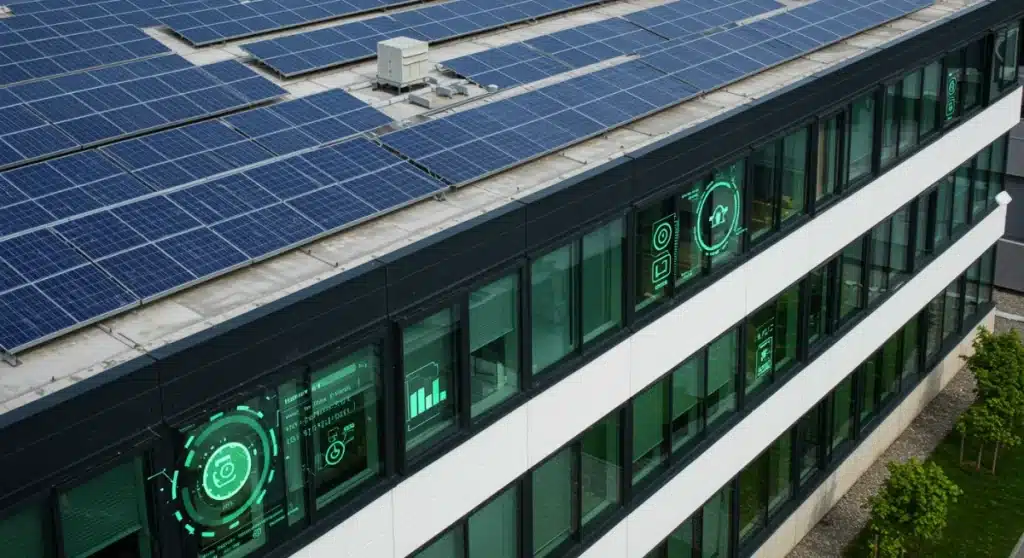
Businesses can achieve a significant 20% reduction in energy consumption within three months by implementing smart green technology solutions and adopting strategic energy management practices.
In an era defined by increasing environmental awareness and the relentless pursuit of operational efficiency, the imperative for businesses to reduce energy consumption has never been more urgent. For many, the idea of achieving a substantial 20% reduction in energy usage within a mere three months might seem ambitious, perhaps even unattainable. However, with the strategic adoption of Actionable Steps for Businesses: Reducing Energy Consumption by 20% in 3 Months Using Smart Green Tech Solutions, this goal is not only within reach but can also unlock significant financial savings and bolster a company’s commitment to sustainability. This article will guide you through practical, technology-driven approaches that can revolutionize your energy footprint in a remarkably short timeframe.
Understanding Your Current Energy Landscape
Before any meaningful reduction can occur, businesses must first gain a comprehensive understanding of their current energy consumption patterns. This initial phase is critical for identifying areas of inefficiency and establishing a baseline against which future improvements can be measured. Without accurate data, efforts to reduce energy can be akin to navigating a ship without a compass.
Many businesses operate with a vague understanding of where their energy goes, often relying on monthly utility bills that offer little granular insight. To truly pinpoint inefficiencies, a more detailed approach is required. This involves not only reviewing past energy bills but also conducting a thorough energy audit and deploying monitoring systems that provide real-time data.
The Importance of Energy Audits
An energy audit is a systematic inspection and analysis of energy use and flows in a building, process, or system to identify opportunities for energy efficiency improvements. These audits can range from simple walk-through assessments to comprehensive, detailed analyses involving specialized equipment and software.
- Identify Waste: Pinpoint exactly where energy is being wasted, whether it’s through inefficient lighting, outdated HVAC systems, or phantom loads from electronics.
- Baseline Establishment: Create a clear benchmark of current energy usage, which is essential for tracking progress and demonstrating the impact of reduction efforts.
- Prioritize Investments: Receive recommendations on the most cost-effective measures to implement, allowing businesses to prioritize investments that yield the quickest returns.
The insights gained from a professional energy audit serve as the foundation for developing a targeted energy reduction strategy. It helps demystify complex energy consumption patterns, providing clear, actionable data rather than mere assumptions. This initial investment in understanding is crucial for the rapid progress targeted within the three-month window.
Furthermore, understanding your peak demand times and consumption spikes can inform strategies for load shifting or demand response programs, further optimizing energy use. This foundational knowledge empowers businesses to make informed decisions about technology adoption and operational adjustments, setting the stage for significant reductions.
Implementing Smart Lighting Solutions
One of the most immediate and impactful areas for energy reduction in commercial and industrial settings is lighting. Traditional lighting systems, particularly incandescent and older fluorescent fixtures, are notorious energy guzzlers. Transitioning to smart LED lighting offers a swift path to substantial savings and improved operational efficiency.
Smart lighting goes beyond mere replacement; it integrates advanced controls that optimize light output based on occupancy, natural light availability, and scheduling. This intelligent approach ensures that energy is only used when and where it is truly needed, eliminating unnecessary consumption.
Benefits of LED Technology
Light Emitting Diode (LED) technology has revolutionized the lighting industry due to its superior energy efficiency, longevity, and versatility. Replacing conventional bulbs with LEDs can immediately cut lighting energy consumption by 50-80%.
- Energy Efficiency: LEDs convert a much higher percentage of electricity into light, with very little energy lost as heat, unlike incandescent bulbs.
- Extended Lifespan: LEDs last significantly longer than traditional bulbs, reducing maintenance costs and the frequency of replacements.
- Improved Light Quality: Modern LEDs offer a wide range of color temperatures and excellent color rendering, enhancing the visual environment.
Beyond the inherent efficiency of LEDs, the ‘smart’ component truly elevates their impact. Integrating these efficient light sources with intelligent control systems allows for dynamic adjustment, further amplifying energy savings. This is not just about turning lights off; it’s about optimizing their operation for maximum efficiency.
By focusing on smart lighting solutions, businesses can achieve a quick win in their energy reduction efforts. The relatively straightforward installation process and rapid return on investment make it an ideal starting point for businesses aiming for a 20% reduction within a tight timeline. This initial step often provides visible results and builds momentum for further green tech integrations.
Optimizing HVAC Systems with Smart Controls
Heating, Ventilation, and Air Conditioning (HVAC) systems are often the single largest energy consumers in a commercial building, accounting for 40-60% of total energy use. Consequently, optimizing these systems with smart controls presents a monumental opportunity for significant energy reduction within a three-month timeframe.
Traditional HVAC systems often operate on rigid schedules or react slowly to changing conditions, leading to considerable energy waste. Smart HVAC controls, conversely, leverage data, automation, and predictive analytics to maintain optimal comfort while minimizing energy expenditure.
Leveraging Building Management Systems (BMS)
A Building Management System (BMS) is a computer-based control system installed in buildings that controls and monitors the building’s mechanical and electrical equipment such as ventilation, lighting, power, fire systems, and security. Integrating smart HVAC controls into a BMS allows for centralized management and optimized performance.
- Centralized Control: Manage all HVAC units from a single interface, allowing for precise adjustments across different zones or floors.
- Automated Scheduling: Program HVAC operations based on occupancy schedules, weather forecasts, and peak demand periods, reducing energy use during off-peak hours.
- Predictive Maintenance: Monitor system performance to identify potential issues before they lead to breakdowns, ensuring efficient operation and preventing energy waste from malfunctioning equipment.
The true power of smart HVAC lies in its ability to adapt. Sensors detect occupancy and environmental conditions, informing the system to adjust heating or cooling accordingly. This dynamic response eliminates the wasteful practice of heating or cooling unoccupied spaces, directly contributing to substantial energy savings.
Furthermore, demand-controlled ventilation (DCV) ensures that outside air is only brought in when necessary, reducing the load on heating and cooling coils. By focusing on smart HVAC solutions, businesses can drastically cut their energy footprint, making a significant leap towards the 20% reduction target within the specified three months.
Integrating Smart Plugs and Power Management
Beyond the major energy consumers like lighting and HVAC, a significant portion of energy waste in businesses originates from smaller, often overlooked sources: electronic devices and appliances. This phenomenon, known as ‘vampire drain’ or ‘phantom load,’ refers to the electricity consumed by devices when they are switched off but still plugged in. Smart plugs and advanced power management systems offer a simple yet effective solution to combat this pervasive waste.
Smart plugs allow businesses to remotely control and monitor the power consumption of individual devices or banks of equipment. When combined with intelligent power management software, these solutions provide granular control over energy usage, ensuring that power is only supplied when actively needed.
Combating Phantom Load
Phantom load can account for 5-10% of a building’s total electricity consumption. While individually small, these cumulative drains can add up to substantial energy waste and increased utility bills. Smart plugs provide an immediate remedy.
- Automated Shut-off: Program smart plugs to automatically cut power to non-essential devices during off-hours, weekends, or periods of low occupancy.
- Real-time Monitoring: Gain insights into the energy consumption of specific devices, identifying particularly wasteful equipment that may need replacement or more stringent management.
- Remote Control: Power devices on or off from a central dashboard or mobile app, offering flexibility and ensuring no energy is wasted due to forgotten switches.
Implementing smart plugs across offices, breakrooms, and production areas can lead to surprisingly quick and noticeable reductions in energy consumption. This approach is particularly effective for devices like computers, monitors, chargers, coffee makers, and printers, which often remain plugged in and drawing power even when not in use.
By systematically deploying smart plugs and integrating them into a broader energy management strategy, businesses can effectively eliminate phantom loads. This green tech solution offers a low-cost, high-impact method for chipping away at energy waste, contributing directly to the ambitious 20% reduction goal within the three-month timeline.
Harnessing Renewable Energy Sources
While optimizing existing systems is crucial for immediate energy reduction, strategically integrating renewable energy sources can provide a long-term, sustainable pathway to lower energy bills and a reduced carbon footprint. Even within a three-month window, initial steps towards renewable energy adoption can be taken, laying the groundwork for significant future gains.
For businesses, the most accessible and widely adopted renewable energy source is solar power. Installing solar panels on rooftops or as ground-mounted arrays can offset a considerable portion of a building’s electricity demand, especially during peak daylight hours.
Exploring Solar Panel Installation
The cost of solar technology has decreased dramatically over the past decade, making it a viable and attractive option for many businesses. While a full-scale installation might extend beyond three months, the planning, permitting, and initial phases can certainly begin within this period.
- Feasibility Studies: Conduct an assessment to determine the optimal size and placement of solar panels, considering roof space, sun exposure, and energy needs.
- Incentives and Rebates: Research federal, state, and local incentives, tax credits, and rebates that can significantly reduce the upfront cost of solar installations.
- Energy Independence: Reduce reliance on grid electricity, offering greater price stability and protection against fluctuating energy costs.
Even if a full solar installation isn’t completed within three months, securing financing, permits, and an installation contract can be a significant step. Furthermore, businesses can explore purchasing renewable energy credits (RECs) or participating in community solar programs as interim measures to support renewable energy and reduce their carbon footprint.
The long-term benefits of renewable energy extend beyond immediate savings, enhancing a company’s brand image and demonstrating a strong commitment to environmental stewardship. By initiating the shift towards renewable sources, businesses not only contribute to the 20% energy reduction but also invest in a sustainable future.
Engaging Employees and Fostering a Green Culture
Technology alone cannot achieve sustainable energy reduction; human behavior plays an equally vital role. Employee engagement is a powerful, often underestimated, tool in the quest to reduce energy consumption. Fostering a green culture within the workplace ensures that energy-saving practices become ingrained in daily operations, maximizing the impact of green tech solutions.
Even the most advanced smart systems can be undermined by wasteful habits if employees are not aware or motivated to participate. Educating staff, setting clear expectations, and celebrating successes can transform a workplace into an energy-conscious environment.
Strategies for Employee Engagement
Successful employee engagement programs are not just about mandates; they involve clear communication, education, and creating a sense of shared responsibility. Simple actions, when adopted by many, can lead to significant collective savings.
- Awareness Campaigns: Display posters, send internal newsletters, and hold brief meetings to educate employees on the importance of energy saving and simple actions they can take.
- Energy-Saving Reminders: Implement visual cues, such as stickers near light switches or equipment, reminding employees to power down when not in use.
- Incentive Programs: Introduce friendly competitions or reward systems for departments or teams that achieve significant energy reductions, fostering a sense of ownership and motivation.
Encouraging simple behaviors like turning off lights when leaving a room, unplugging chargers, and using natural light whenever possible can collectively contribute to the 20% energy reduction target. When employees understand the ‘why’ behind these actions – not just for cost savings but also for environmental impact – their commitment deepens.
Furthermore, involving employees in identifying energy waste or suggesting new green initiatives can empower them and lead to innovative solutions. A culture that values sustainability becomes a self-sustaining engine for ongoing energy efficiency, extending the benefits far beyond the initial three-month push. This human element is indispensable for truly embedding energy reduction into the business’s DNA.
| Key Strategy | Immediate Impact & Benefit |
|---|---|
| Smart Lighting Upgrade | 50-80% reduction in lighting energy; rapid ROI, lower maintenance. |
| HVAC Smart Controls | Significant reduction in heating/cooling costs; optimized comfort. |
| Smart Plugs & Power Management | Eliminates phantom load, reduces energy waste from idle devices. |
| Employee Engagement | Fosters green culture, ensures sustained energy-saving behaviors. |
Frequently Asked Questions About Business Energy Reduction
While specific results vary based on a business’s starting point and commitment, a 20% reduction is highly achievable for many. Focusing on high-impact areas like lighting, HVAC, and phantom load with smart tech, combined with employee engagement, can yield rapid results. An initial energy audit helps set realistic expectations.
Initial costs vary significantly. Smart plugs are relatively inexpensive, while LED upgrades and HVAC controls represent a moderate investment. Solar installations are the most significant. However, many solutions offer quick returns on investment, and various government incentives and financing options can help offset upfront expenses.
Accurate measurement is crucial. Utilize smart energy monitoring systems that provide real-time data. Compare post-implementation energy bills to your established baseline from the initial energy audit. Many smart tech solutions also come with built-in analytics and reporting features to track consumption and savings.
Yes, numerous incentives exist at federal, state, and local levels in the United States. These can include tax credits, grants, rebates, and low-interest loans for energy-efficient upgrades and renewable energy installations. It’s advisable to consult with an energy consultant or local utility provider for specific programs applicable to your business.
Even in rented spaces, significant reductions are possible. Focus on portable smart solutions like LED bulb replacements (if allowed), smart plugs, and optimizing existing HVAC settings with smart thermostats. Employee engagement programs are also highly effective and require no structural changes, offering substantial impact.
Conclusion
Achieving a 20% reduction in business energy consumption within three months is an ambitious yet entirely attainable goal through the strategic deployment of smart green technology solutions and a concerted effort to foster an energy-conscious culture. From the foundational step of understanding your energy footprint through comprehensive audits to the implementation of smart lighting, optimized HVAC systems, and intelligent power management, each action contributes significantly to this objective. Furthermore, exploring renewable energy options and, crucially, engaging employees in the sustainability journey ensures that these reductions are not only met but also sustained long-term. Embracing these actionable steps not only translates into substantial cost savings but also reinforces a business’s commitment to environmental stewardship, positioning it as a responsible and forward-thinking entity in an increasingly green economy.