Geothermal Power: $1,500 Savings on US Home Energy Bills by 2025
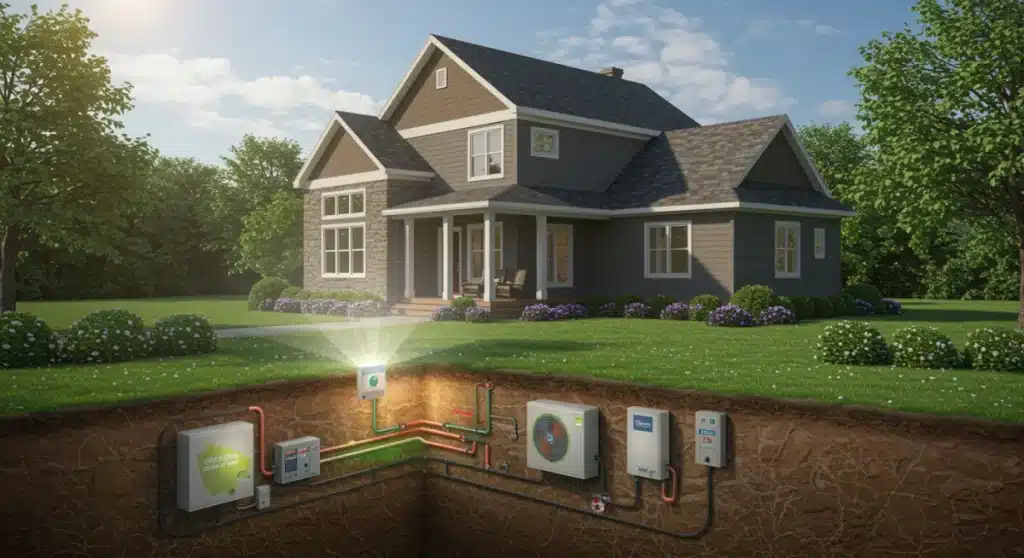
U.S. homeowners are projected to save an average of $1,500 annually on energy bills starting in 2025, driven by the increasing adoption and efficiency of geothermal power systems across the nation.
Geothermal Power’s Unseen Potential: Reducing U.S. Home Energy Bills by an Average of $1,500 Annually Starting 2025 is set to revolutionize residential energy consumption, offering significant financial relief and environmental advantages. This breakthrough in renewable energy technology is poised to become a cornerstone of sustainable living for American households, delivering tangible savings.
The Rise of Geothermal Energy in Residential Settings
Geothermal energy, long recognized for its stability and efficiency in commercial and industrial applications, is now making substantial inroads into the residential sector. This shift is primarily due to technological advancements and increasing awareness of its long-term economic and environmental benefits. As of early 2024, federal and state incentives are accelerating its adoption, positioning it as a key player in the nation’s energy transition.
The consistent ground temperature, typically ranging from 45-75 degrees Fahrenheit just a few feet below the surface, provides a reliable and constant source of thermal energy. This inherent stability makes geothermal systems far more efficient than traditional HVAC units, which must contend with volatile outdoor air temperatures. The operational simplicity, once installed, translates directly into reduced energy consumption and, consequently, lower utility bills for homeowners.
Understanding Geothermal Heat Pumps
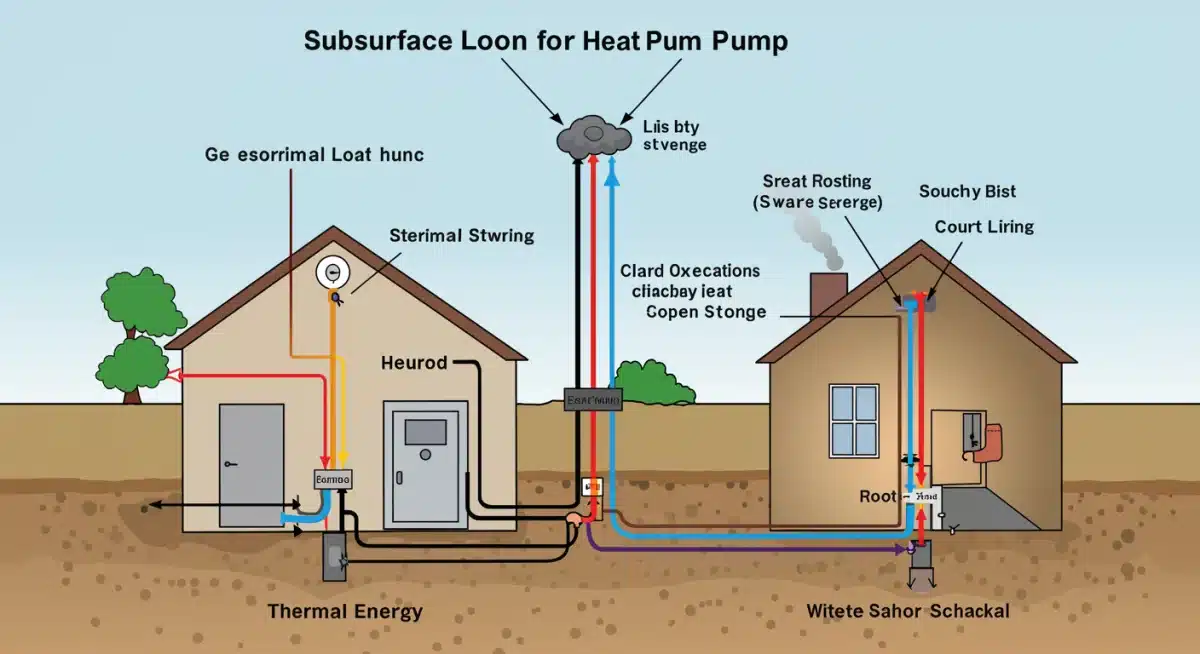
Geothermal heat pumps (GHPs) are the core technology enabling residential geothermal power. These systems do not generate heat through combustion but rather transfer existing heat from the ground into a home during colder months and extract heat from the home to dissipate it into the cooler ground during warmer months. This process is remarkably efficient, often achieving efficiencies between 300% and 600%.
- Closed-Loop Systems: Utilize a sealed loop of buried pipe, typically filled with an antifreeze solution, to exchange heat with the earth.
- Open-Loop Systems: Draw water from a well, use it for heat exchange, and then return it to another well or surface water body.
- Hybrid Systems: Combine geothermal with other heating or cooling sources to optimize performance and reduce installation costs.
Projected Savings: An Average of $1,500 Annually
New analyses from the Department of Energy project that U.S. homeowners adopting geothermal systems can expect an average annual saving of $1,500 on their energy bills, beginning in 2025. This significant figure is based on a comprehensive evaluation of energy consumption patterns, fluctuating fossil fuel prices, and the operational efficiency of modern geothermal installations. The savings are not uniform across the nation but represent a compelling average that highlights geothermal’s economic viability.
These projections factor in the lifespan of geothermal systems, which typically exceed 20-25 years for indoor components and 50+ years for ground loops. This longevity, combined with lower maintenance requirements compared to conventional HVAC systems, contributes to substantial cumulative savings over time. The initial investment, while higher than traditional systems, is increasingly offset by these long-term financial gains and available incentives.
The $1,500 average saving is a conservative estimate, with many homeowners in regions with extreme climates or higher electricity costs potentially realizing even greater reductions. This financial incentive is a powerful driver for homeowners considering energy-efficient upgrades, moving geothermal from a niche solution to a mainstream option for sustainable living.
Driving Factors: Technology, Policy, and Public Awareness
Several converging factors are propelling the widespread adoption of residential geothermal technology. Innovations in drilling techniques and heat pump designs have made installations more accessible and cost-effective. Simultaneously, a robust policy landscape, including federal tax credits and state-level incentives, is significantly reducing the upfront cost barrier for homeowners.
Public awareness campaigns, highlighting both the environmental benefits and the substantial financial savings, are also playing a crucial role. As more communities witness successful geothermal installations, the technology’s perceived risk diminishes, encouraging broader acceptance. The push for decarbonization and energy independence at both federal and local levels further supports geothermal expansion.
Federal and State Incentives
The federal government currently offers a significant tax credit for residential geothermal installations. As of the latest updates, homeowners can claim a credit that covers a substantial portion of the installation cost, making the technology more affordable. Several states also provide additional rebates, grants, and financing options, further enhancing the economic appeal of geothermal systems.
- Federal Tax Credit: A percentage of the installed cost, currently set at 30% through 2032, then stepping down.
- State-Specific Rebates: Many states offer direct rebates or grants to offset installation expenses.
- Property Tax Exemptions: Some localities provide property tax exemptions for homes with geothermal systems, recognizing their environmental value.
Environmental Impact and Sustainability Benefits
Beyond the financial savings, the environmental advantages of geothermal power are profound. Geothermal systems produce zero direct greenhouse gas emissions during operation, significantly reducing a home’s carbon footprint. By leveraging the earth’s natural, renewable thermal energy, they decrease reliance on fossil fuels for heating and cooling, contributing to cleaner air and a more stable climate.
The consistent operation of geothermal systems also places less strain on the electrical grid compared to conventional air conditioners and furnaces, particularly during peak demand periods. This contributes to grid stability and can reduce the need for new, carbon-intensive power plants. The long lifespan of geothermal components also means less waste compared to systems that require more frequent replacement.
Furthermore, geothermal systems are largely invisible and quiet, operating without outdoor condensing units that can be noisy or aesthetically unpleasing. This understated presence belies their powerful environmental contribution, making them an ideal choice for homeowners seeking to minimize their ecological impact without sacrificing comfort or convenience.
Installation Process and Considerations
The installation of a residential geothermal system involves several key steps, beginning with a site assessment to determine the best type of ground loop system for the property. This assessment considers soil composition, available land area, and local regulations. The most common types are horizontal loops, which require more land, and vertical loops, which are more common in smaller lots but require deeper drilling.
Once the ground loop is installed, the indoor geothermal heat pump unit is connected to the home’s existing ductwork. The entire process, while more involved than a traditional HVAC replacement, is typically completed within a few days to a week, depending on the complexity of the ground loop installation. Homeowners should always consult with certified geothermal installers to ensure proper design and execution.
Key Installation Steps
- Site Survey and Design: Evaluating geology, soil, and energy needs to design an optimal system.
- Ground Loop Installation: Drilling vertical wells or excavating trenches for horizontal pipe networks.
- Indoor Heat Pump Connection: Integrating the GHP unit with the home’s existing heating and cooling distribution system.
- System Commissioning: Testing and optimizing the system for peak performance and efficiency.
Challenges and Future Outlook for Geothermal Adoption
While the outlook for residential geothermal power is overwhelmingly positive, certain challenges remain. The initial capital investment, despite incentives, can still be a barrier for some homeowners. Additionally, the availability of experienced installers varies by region, and permitting processes can sometimes be complex. Addressing these issues is critical for accelerating widespread adoption.
However, ongoing research and development are continually driving down costs and improving installation techniques. Innovations such as direct-exchange geothermal systems and advanced drilling technologies promise to make geothermal even more accessible and affordable in the coming years. Educational initiatives aimed at homeowners, builders, and contractors are also crucial for overcoming misconceptions and promoting the technology’s benefits.
The future for geothermal energy in U.S. homes looks bright. With continued policy support, technological advancements, and increasing public demand for sustainable and cost-effective energy solutions, geothermal is well-positioned to achieve its projected impact, delivering significant savings and environmental benefits to millions of households.
| Key Point | Brief Description |
|---|---|
| Projected Savings | U.S. homeowners to save an average of $1,500 annually on energy bills starting 2025. |
| Core Technology | Geothermal Heat Pumps (GHPs) utilize stable ground temperatures for highly efficient heating and cooling. |
| Driving Factors | Technological advancements, federal/state incentives, and increasing public awareness fuel adoption. |
| Environmental Benefits | Zero direct emissions, reduced fossil fuel reliance, and lower strain on the electrical grid. |
Frequently Asked Questions About Geothermal Energy Savings
U.S. homeowners are projected to save an average of $1,500 annually on energy bills starting in 2025. Actual savings can vary based on factors like geographic location, home size, current energy consumption, and the specific geothermal system installed. Many see substantial reductions in both heating and cooling costs.
The upfront cost for a geothermal system can range from $20,000 to $40,000, depending on system size and installation complexity. However, significant federal tax credits (currently 30%) and various state incentives can substantially reduce this initial investment, making it more affordable for homeowners.
Geothermal systems are known for their exceptional longevity. The indoor components typically last 20-25 years, while the underground loop systems can last 50 years or more with minimal maintenance. This long lifespan contributes to greater long-term cost effectiveness compared to traditional HVAC.
Yes, geothermal systems are highly environmentally friendly. They produce zero direct greenhouse gas emissions during operation, significantly reducing a home’s carbon footprint. By utilizing renewable energy from the earth, they decrease reliance on fossil fuels and promote cleaner air quality.
Most homes can be converted to geothermal, though site-specific considerations are crucial. Factors like available land for ground loops, soil composition, and existing ductwork influence feasibility and cost. A professional site assessment by a certified installer can determine the best approach for your property.
Looking Ahead
The trajectory for geothermal power in U.S. residential applications indicates a clear path toward significant energy independence and financial relief for homeowners. As federal and state governments continue to bolster incentive programs and technological advancements streamline installation processes, the $1,500 average annual saving projected for 2025 is likely just the beginning. Stakeholders will be closely monitoring policy developments and the expansion of skilled labor in the geothermal sector, as these factors will critically influence the pace and scale of adoption across the nation.