Federal Land Use Policy Shifts: 2026 Conservation Directives Impact on US Development
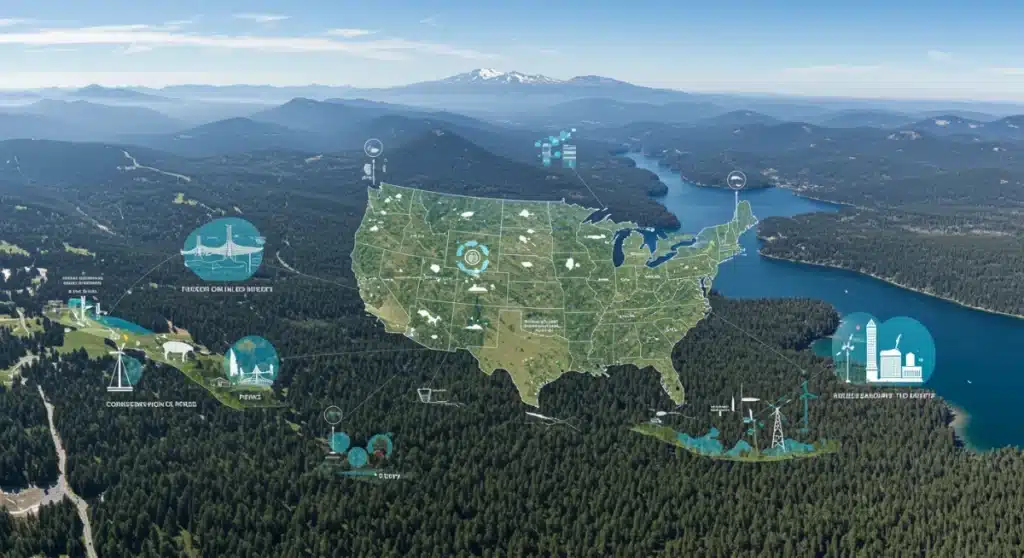
Starting January 2026, significant federal land use policy shifts will implement updated conservation directives, profoundly impacting development projects across the United States, requiring strategic adaptation from stakeholders.
Beginning January 2026, the landscape for development projects across the United States will undergo a substantial transformation, driven by new federal land use policy shifts and updated conservation directives. These changes are poised to redefine how land is utilized, impacting everything from infrastructure and energy to housing and recreation. Understanding these imminent policy adjustments is crucial for developers, environmental advocates, and policymakers alike.
Understanding the New Conservation Directives
The upcoming federal land use policy shifts are not merely incremental adjustments but represent a significant reorientation towards more robust conservation. These directives are a response to escalating environmental concerns, including climate change, biodiversity loss, and the need for sustainable resource management. The core objective is to strike a better balance between economic development and ecological preservation, ensuring that future generations can also benefit from America’s natural heritage.
Key Pillars of the New Directives
Several foundational principles underpin these updated conservation directives. They emphasize a proactive approach to environmental protection rather than a reactive one, aiming to prevent degradation before it occurs. This involves more rigorous environmental impact assessments and stricter permitting processes for projects on federal lands.
- Ecosystem services valuation: Recognizing and integrating the economic value of natural ecosystems into decision-making.
- Cumulative impact assessment: Evaluating the combined effects of multiple projects over time and across landscapes.
- Adaptive management strategies: Allowing for flexibility and adjustments in conservation plans based on new scientific information.
These pillars are designed to foster a more holistic and forward-thinking approach to land management. They highlight a move away from siloed decision-making, encouraging greater interagency cooperation and public engagement. The directives aim to create a framework that supports both ecological resilience and sustainable economic growth, acknowledging that the two are not mutually exclusive but deeply interconnected.
Impact on Development Projects Across the US
The revised federal land use policy will inevitably introduce new challenges and opportunities for development projects. Industries ranging from mining and oil and gas to renewable energy and real estate will need to adapt their strategies to comply with the heightened environmental standards. Projects on federal lands, or those requiring federal permits, will face increased scrutiny and potentially longer approval timelines.
Increased Environmental Review
One of the most immediate impacts will be on the environmental review process. Developers can expect more comprehensive studies and a greater emphasis on mitigating potential ecological damage. This could mean investing more in preliminary assessments and engaging with environmental consultants earlier in the project lifecycle.
- Enhanced baseline data collection: More detailed information required on existing environmental conditions.
- Broader scope for impact analysis: Consideration of indirect and cumulative impacts.
- Stricter mitigation requirements: Demands for more effective and measurable compensatory actions.
These changes are intended to ensure that development proceeds in a manner that minimizes harm to sensitive ecosystems. While this may increase initial costs and project durations, it also fosters more sustainable practices that can lead to long-term benefits, including reduced regulatory risks and improved public perception. The shift encourages developers to integrate environmental considerations from the outset, rather than treating them as afterthoughts.
Geographical Implications and Regional Variations
While the federal land use policy shifts will apply nationwide, their specific impacts will vary significantly depending on the geographical region and the ecological sensitivity of the land. Areas rich in biodiversity, critical habitats, or vital water resources are likely to experience the most stringent regulations. Conversely, regions with less sensitive ecosystems might see more moderate adjustments.
Western States and Public Lands
The Western United States, with its vast expanses of federal public lands, will likely feel the profoundest effects. States like California, Nevada, Utah, and Arizona, where federal agencies manage a substantial portion of the land, will see development projects in sectors such as energy, recreation, and resource extraction subject to enhanced oversight. This could lead to more collaborative land use planning efforts involving federal, state, and tribal entities.
In these regions, the directives will push for greater emphasis on landscape-scale conservation, recognizing the interconnectedness of ecosystems that often cross administrative boundaries. This means that even projects on private lands might be indirectly influenced if they are adjacent to or impact federal holdings. The goal is to create a more cohesive conservation strategy that respects regional ecological characteristics.
Economic Considerations and Industry Adaptation
The economic ramifications of these federal land use policy adjustments are multifaceted. While some industries may face increased compliance costs and project delays, others might find new avenues for growth in sustainable development and environmental services. The directives are likely to spur innovation in green technologies and eco-friendly construction methods.
Challenges for Traditional Industries
Traditional resource extraction industries, such as mining and logging, will need to re-evaluate their operational practices. The increased focus on conservation and ecosystem protection could lead to reduced access to certain federal lands or necessitate more environmentally sound extraction techniques. This may require significant investment in new equipment and training for workers.
- Higher operational costs: Due to stricter environmental controls and monitoring.
- Reduced land availability: Certain areas may be designated as off-limits for development.
- Increased public scrutiny: Greater demand for transparency and accountability from affected communities.
However, these challenges also present an opportunity for these industries to innovate and transition towards more sustainable models. Companies that proactively adopt environmentally responsible practices are more likely to thrive in this new regulatory environment. The directives can act as a catalyst for long-term sustainability within these sectors.
Opportunities for Sustainable Development
While the new federal land use policy shifts present challenges, they also open doors for significant opportunities in sustainable development. Projects that align with conservation goals, such as renewable energy installations, eco-tourism ventures, and restorative agriculture, may find it easier to gain approval and even receive preferential treatment. The emphasis on green infrastructure and nature-based solutions will create new markets and job opportunities.
Growth in Green Technologies
The demand for green technologies and sustainable solutions is expected to surge. This includes advancements in renewable energy production, water conservation technologies, and waste management systems. Developers who integrate these innovations into their projects will be better positioned to meet the new regulatory standards and attract environmentally conscious investors.
Furthermore, the directives could stimulate investment in ecological restoration and habitat creation. Projects focused on restoring degraded lands, enhancing biodiversity, or improving water quality may secure funding and support from both public and private sectors. This shift encourages a more regenerative approach to land use, where development contributes positively to ecological health.
Navigating the New Regulatory Landscape
For developers and businesses, navigating the updated federal land use policy will require a proactive and informed approach. Early engagement with federal agencies, thorough understanding of the new regulations, and strategic planning will be paramount. Building strong relationships with environmental groups and local communities can also help streamline the approval process and build trust.
Best Practices for Developers
Adopting best practices will be crucial for successful project execution under the new directives. This includes conducting comprehensive environmental due diligence from the outset, investing in advanced mitigation technologies, and embracing transparent communication with all stakeholders. Flexibility and adaptability will be key characteristics of successful development firms.
- Early stakeholder engagement: Involving communities and environmental groups from the planning stages.
- Robust environmental impact assessments: Going beyond minimum requirements to demonstrate commitment.
- Continuous monitoring and reporting: Ensuring ongoing compliance and transparency throughout the project lifecycle.
By integrating these practices, developers can not only minimize regulatory hurdles but also enhance their reputation as responsible corporate citizens. The new federal land use policy is not just about compliance; it’s about fostering a new paradigm of development that considers ecological integrity as a fundamental component of success. This proactive stance will be vital for navigating the evolving regulatory environment and ensuring long-term project viability.
| Key Policy Area | Brief Description of Change |
|---|---|
| Environmental Review | Increased scrutiny and comprehensive assessments for projects on federal lands. |
| Conservation Focus | Prioritization of ecosystem health, biodiversity, and sustainable resource use. |
| Development Projects | Requires adaptation, innovation, and adherence to new, stricter environmental standards. |
| Regional Impact | Especially significant in Western states with vast federal land holdings. |
Frequently Asked Questions About Federal Land Use Policy
The primary goals are to enhance environmental protection, promote sustainable resource management, and mitigate the impacts of climate change and biodiversity loss. These directives aim to balance economic development with ecological preservation for long-term national benefit.
Current development projects, especially those on federal lands or requiring federal permits, will face increased environmental review and stricter compliance requirements starting January 2026. This may lead to longer approval times and higher initial costs.
Western states with extensive federal public lands, such as California, Nevada, and Utah, are expected to experience the most significant impacts. Projects in these areas will be subject to heightened oversight due to ecological sensitivities.
Yes, the new policies create substantial opportunities for sustainable development, including renewable energy, eco-tourism, and ecological restoration projects. These initiatives are likely to receive favorable consideration and support.
Developers should engage early with federal agencies, conduct thorough environmental due diligence, invest in green technologies, and adopt transparent communication with all stakeholders to ensure successful project navigation.
Conclusion
The federal land use policy shifts slated for January 2026 mark a pivotal moment in the nation’s approach to land management and development. These updated conservation directives underscore a renewed commitment to environmental stewardship, aiming to foster a sustainable future while accommodating necessary growth. While the transition may present challenges for certain industries, it also unlocks vast opportunities for innovation in sustainable practices and green technologies. Navigating this evolving landscape will require foresight, adaptability, and a collaborative spirit among all stakeholders to ensure that development projects contribute positively to both the economy and the environment. The long-term benefits of a more balanced and ecologically conscious land use strategy are poised to reshape the American landscape for generations to come.