Cut Your Carbon: 15% Reduction Guide for 2026
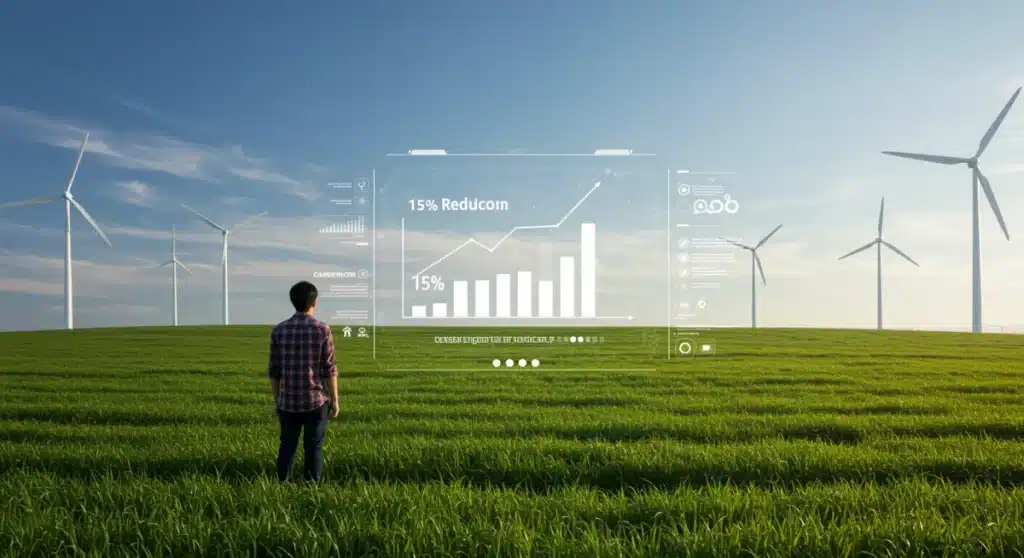
Achieving a 15% reduction in your personal carbon footprint by 2026 is an attainable goal through strategic, practical adjustments to daily habits and consumption, significantly contributing to global climate efforts.
Achieving a 15% Reduction: A Step-by-Step Guide to Personal Carbon Footprint Management in 2026 (Practical Solutions) is not merely an environmental aspiration but a tangible goal within reach for every individual. This comprehensive guide will empower you to understand, measure, and significantly decrease your environmental impact, transforming intentions into measurable progress.
Understanding Your Carbon Footprint: The Baseline
Before embarking on a journey to reduce your personal carbon footprint, it’s crucial to understand what it entails and how it’s measured. Your carbon footprint represents the total greenhouse gas emissions caused directly and indirectly by an individual, organization, event, or product. These emissions are typically expressed as carbon dioxide equivalent (CO2e), encompassing various gases like methane and nitrous oxide, which contribute to global warming.
Many factors contribute to your personal carbon footprint, ranging from the food you eat to the way you travel and the energy you consume at home. Identifying these areas is the first critical step toward effective management and reduction. It’s about gaining clarity on your current impact so you can strategically target areas for improvement.
Key Components of Your Carbon Footprint
Your daily activities, often taken for granted, collectively create your environmental impact. Recognizing these components allows for a more targeted approach to reduction.
- Transportation: This includes emissions from driving cars, flying, and using public transport. The type of vehicle, fuel efficiency, and travel frequency all play significant roles.
- Home Energy Use: Electricity, heating, and cooling in your residence are major contributors. The source of your energy (e.g., coal-fired power plants vs. renewables) and your consumption habits are vital.
- Diet and Food Consumption: The production, processing, transportation, and waste of food contribute substantially. Meat and dairy products, in particular, have higher carbon footprints than plant-based alternatives.
- Goods and Services: Everything you buy, from clothing to electronics, has an embedded carbon footprint from its manufacturing, transport, and disposal.
Measuring Your Current Impact
To achieve a 15% reduction, you first need a baseline. Several online carbon footprint calculators can help you estimate your current emissions. These tools typically ask for information regarding your household size, energy bills, travel habits, and dietary choices. While not perfectly precise, they provide a valuable starting point.
For example, the EPA’s Household Carbon Footprint Calculator offers a detailed assessment for U.S. residents, breaking down emissions by home energy, transportation, and waste. Using such a tool will give you a concrete number to work with, making your 15% reduction goal quantifiable and achievable.
Understanding your current carbon footprint is the foundation upon which all subsequent reduction efforts will be built. It provides the necessary data to identify the most impactful areas for change, ensuring your efforts are directed effectively towards your 15% reduction target by 2026.
Strategic Reductions in Transportation Emissions
Transportation is often one of the largest components of an individual’s carbon footprint. Significant reductions here can lead to substantial overall progress towards your 15% goal. This involves re-evaluating daily commutes, leisure travel, and vehicle choices.
The average American drives thousands of miles annually, and each mile contributes to emissions. Shifting away from single-occupancy vehicle use and embracing more sustainable modes of transport are powerful strategies. Small changes, when consistently applied, accumulate into meaningful reductions.
Rethinking Your Commute
Your daily commute offers ample opportunities for carbon reduction. Consider alternatives to driving alone, even for a few days a week.
- Public Transportation: Utilize buses, trains, or subways whenever possible. Public transit significantly reduces per-person emissions compared to individual car usage.
- Carpooling: Share rides with colleagues or neighbors. This not only cuts down emissions but can also reduce traffic congestion and fuel costs.
- Cycling and Walking: For shorter distances, biking or walking are zero-emission options that also offer health benefits. Invest in a good bicycle and explore local routes.
- Electric Vehicles (EVs): If purchasing a new vehicle, consider an EV. While the manufacturing has an initial footprint, their operational emissions are significantly lower, especially when charged with renewable energy.
Sustainable Travel Choices
Beyond daily commutes, leisure travel also impacts your footprint. Thoughtful planning can minimize these effects.
Air travel, in particular, is a high-emission activity. For every flight, consider its necessity and explore alternatives. For shorter trips, trains or buses can be more eco-friendly options. When flying is unavoidable, look into airlines that offer carbon offset programs, though these should be seen as a last resort after direct reduction efforts.
Opting for staycations or exploring local destinations reduces the need for long-distance travel. When planning road trips, combine errands, drive efficiently, and ensure your vehicle is well-maintained to maximize fuel economy. Choosing accommodations that prioritize sustainability, such as hotels with green certifications, also contributes positively.
By consciously adjusting your transportation habits and choices, you can achieve a significant portion of your 15% carbon footprint reduction. Every decision, from how you get to work to how you plan your vacation, holds the potential for environmental benefit.
Optimizing Home Energy Consumption
Your home is a major source of carbon emissions, primarily through electricity and heating/cooling. Reducing energy consumption at home is one of the most effective ways to lower your personal carbon footprint. This involves both behavioral changes and strategic investments in energy-efficient technologies.
Many homes in the U.S. use energy inefficiently, leading to unnecessary emissions and higher utility bills. Addressing these inefficiencies can provide a double benefit: a smaller carbon footprint and financial savings. The goal is to make your home as energy-lean as possible, without sacrificing comfort.
Energy-Saving Habits and Upgrades
Implementing simple habits and making smart upgrades can dramatically reduce your energy use.
- Unplug Electronics: Many devices draw power even when turned off (phantom load). Unplug chargers and electronics when not in use, or use smart power strips.
- LED Lighting: Replace incandescent bulbs with LED lights. LEDs use significantly less energy and last much longer, reducing both consumption and waste.
- Thermostat Management: Adjust your thermostat a few degrees cooler in winter and warmer in summer. Programmable or smart thermostats can automate this, optimizing energy use when you’re away.
- Insulation and Weatherstripping: Improve your home’s insulation and seal drafts around windows and doors. This prevents heat loss in winter and heat gain in summer, reducing the load on your HVAC system.
Embracing Renewable Energy
One of the most impactful ways to reduce your home energy footprint is to switch to renewable energy sources.
If your utility provider offers a green energy option, where electricity comes from wind, solar, or hydro sources, enroll in it. This directly supports renewable energy development and reduces the carbon intensity of your electricity consumption. Many states in the U.S. now have such programs available.
For homeowners, installing solar panels is an excellent long-term investment. While the upfront cost can be significant, government incentives, tax credits, and reduced electricity bills can make it a financially attractive option over time. Solar panels provide clean, on-site energy, drastically cutting your reliance on fossil fuels.
By combining mindful habits with strategic investments in energy efficiency and renewables, you can significantly reduce your home’s contribution to your carbon footprint. These efforts are central to achieving your 15% reduction target by 2026, making your living space more sustainable and cost-effective.
Dietary Shifts for a Lower Carbon Footprint
The food we consume has a profound impact on the environment, from land use and water consumption to greenhouse gas emissions from agriculture and transportation. Making conscious choices about your diet is a powerful way to reduce your personal carbon footprint, often with direct health benefits.
Understanding the environmental cost of different food items allows you to make informed decisions. A significant portion of agricultural emissions comes from livestock, particularly beef and dairy, due to methane production and land clearing for grazing and feed crops. Shifting towards more plant-based options can yield considerable carbon savings.

Conscious Food Choices
Small adjustments to your eating habits can collectively lead to substantial reductions.
- Reduce Meat and Dairy: Consider incorporating more plant-based meals into your week. Even going meatless one or two days a week can make a difference. Explore plant-based alternatives for milk, cheese, and meat.
- Eat Local and Seasonal: Foods transported over long distances have a higher carbon footprint. Prioritize produce grown locally and in season, reducing the need for refrigerated transport and energy-intensive greenhouses. Farmers’ markets are excellent sources for local goods.
- Minimize Food Waste: Roughly one-third of all food produced globally is wasted, contributing to methane emissions in landfills. Plan meals, store food properly, and compost scraps to reduce waste.
- Choose Sustainable Seafood: If you consume seafood, opt for sustainably sourced options. Look for certifications that indicate responsible fishing practices and healthy fish populations.
Rethinking Your Plate
Beyond specific food items, a broader re-evaluation of your dietary patterns can be beneficial. Embrace a more whole-foods, plant-rich diet, which is not only good for the planet but also for your health.
Consider growing some of your own produce, even if it’s just a small herb garden or a few vegetables in pots. This reduces the carbon footprint associated with transport and packaging and connects you more directly with your food source. Experiment with new recipes that feature legumes, grains, and vegetables as the stars of the meal.
The impact of dietary choices on your carbon footprint is significant and often underestimated. By making intentional shifts towards more sustainable eating habits, you contribute directly to reducing agricultural emissions and land degradation, bringing you closer to your 15% reduction goal by 2026.
Reducing Waste and Embracing Circularity
Waste generation is a critical environmental issue, contributing to greenhouse gas emissions through manufacturing, transportation, and decomposition in landfills. Adopting a mindset of reduction, reuse, and recycling – often referred to as the circular economy principles – is essential for lowering your personal carbon footprint.
Every item we consume, from its production to its disposal, carries an environmental cost. By minimizing what we send to landfills and maximizing the lifespan of products, we can significantly reduce the embedded carbon emissions associated with consumption.
The 3 Rs (and Beyond)
The traditional “reduce, reuse, recycle” hierarchy remains fundamental, but expanding on these principles offers even greater impact.
- Reduce: The most effective strategy is to simply buy less. Before purchasing, ask yourself if you truly need the item. Opt for durable, high-quality products that last longer, reducing the need for frequent replacements.
- Reuse: Extend the life of products by repairing them, repurposing them, or donating them. Instead of single-use items, choose reusable alternatives like water bottles, coffee cups, and shopping bags.
- Recycle: When items can no longer be reduced or reused, ensure they are properly recycled according to local guidelines. Understand what your municipality accepts and prepare materials correctly to avoid contamination.
- Compost: Food scraps and yard waste can be composted, diverting organic material from landfills where it would produce methane. Composting enriches soil and reduces the need for chemical fertilizers.
Embracing a Circular Lifestyle
Moving towards a more circular lifestyle involves conscious decisions at every stage of consumption, from purchase to disposal. This means supporting brands that prioritize sustainability, repairability, and responsible sourcing.
Consider subscribing to services rather than owning items outright, such as tool libraries or clothing rental services, which promote shared resources and reduce individual consumption. When you do buy, look for products made from recycled materials or those designed for easy repair and eventual recycling. Engaging in community swap meets or online platforms for second-hand goods also extends product lifecycles and reduces demand for new production.
By diligently reducing waste and embracing circularity, you directly mitigate the carbon emissions associated with production and disposal. This shift in consumption patterns is a powerful tool in your strategy to achieve a 15% reduction in your personal carbon footprint by 2026, creating a more sustainable future.
Advocacy and Community Engagement
While individual actions are crucial, collective effort amplifies impact. Engaging in advocacy and community initiatives is a powerful way to extend your personal carbon footprint reduction efforts beyond your household, influencing broader systemic change. Your voice and participation can inspire others and push for policies that support a greener future.
Many environmental challenges require collective solutions, from advocating for renewable energy policies to supporting local sustainability projects. By participating in these efforts, you contribute to a larger movement, creating a ripple effect that goes beyond your individual 15% reduction goal.

Influencing Policy and Practice
Your involvement can help shape the environment for everyone, making sustainable choices easier and more accessible.
- Vote Green: Support political candidates who prioritize environmental protection, climate action, and sustainable development. Your vote can influence policies at local, state, and national levels.
- Contact Representatives: Write to or call your elected officials to express your concerns about climate change and advocate for specific environmental policies, such as investments in public transport or renewable energy infrastructure.
- Support Eco-Friendly Businesses: Patronize companies that demonstrate a commitment to sustainability, ethical sourcing, and reduced environmental impact. Your purchasing power can encourage more businesses to adopt greener practices.
- Join Environmental Organizations: Become a member or volunteer with local or national environmental groups. These organizations often lead advocacy campaigns, educational initiatives, and conservation projects.
Inspiring Your Community
Leading by example and actively engaging with your community can motivate others to adopt more sustainable practices.
Share your journey and successes in reducing your carbon footprint with friends, family, and neighbors. Offer practical tips and resources. Organize or participate in local clean-up drives, community gardens, or workshops on sustainable living. Create a local green group or join an existing one to collaborate on projects like promoting composting or advocating for bike-friendly infrastructure.
By actively participating in advocacy and community engagement, you transform your personal commitment into a collective force for change. This broader impact is vital for addressing climate change effectively and creating a sustainable society for all, ultimately supporting and amplifying your personal goal of a 15% carbon footprint reduction by 2026.
Monitoring Progress and Adjusting Your Strategy
Achieving a 15% reduction in your personal carbon footprint by 2026 is an ongoing process that requires regular monitoring and strategic adjustments. It’s not a one-time fix but a continuous journey of learning, adapting, and refining your sustainable practices. Tracking your progress allows you to identify what’s working, what isn’t, and where further efforts are needed.
Without a system for monitoring, it’s easy to lose sight of your goals or underestimate your impact. Regular check-ins ensure that you stay on track and can celebrate successes, no matter how small. This iterative approach is key to sustained environmental action.
Tools and Techniques for Tracking
Several methods can help you keep an eye on your carbon footprint and measure your reductions effectively.
- Re-calculate Periodically: Use a carbon footprint calculator every 6-12 months to re-evaluate your emissions. This will give you a quantifiable measure of your progress against your baseline.
- Track Utility Bills: Keep a close watch on your electricity, gas, and water bills. A consistent decrease in consumption indicates successful energy-saving measures.
- Log Travel Habits: Note down your mileage for driving, public transport use, and flights. Compare these figures over time to see the impact of your transportation shifts.
- Dietary Journal: If focusing on food, a simple journal of your meals can help you observe trends in meat/dairy consumption and food waste.
Adapting Your Approach
The journey to a lower carbon footprint is rarely linear. Be prepared to adapt your strategies based on your findings and evolving circumstances.
If you find that one area, such as home energy, isn’t showing the desired reduction, delve deeper into potential issues. Perhaps a new appliance is less efficient than expected, or a behavioral change hasn’t stuck. Conversely, if you achieve significant reductions in one area quickly, you might be able to set more ambitious goals there, or redirect effort to another component of your footprint.
Stay informed about new sustainable technologies and practices. The landscape of eco-friendly solutions is constantly evolving. What might be challenging today could become easier and more accessible tomorrow. For instance, advancements in battery technology could make EVs even more appealing, or new plant-based foods could offer more diverse dietary options.
Monitoring your progress and being flexible in your approach are indispensable for achieving your 15% carbon footprint reduction by 2026. This systematic review ensures that your efforts remain effective, relevant, and continually move you towards a more sustainable lifestyle.
Overcoming Challenges and Staying Motivated
The path to reducing your personal carbon footprint, especially by a significant 15%, is not without its challenges. It requires sustained effort, behavioral changes, and sometimes financial investment. However, recognizing potential obstacles and developing strategies to overcome them is crucial for maintaining motivation and achieving your 2026 goal.
It’s natural to encounter setbacks or feel overwhelmed at times. The key is to view these not as failures, but as opportunities for learning and adaptation. A resilient mindset will help you navigate the complexities of sustainable living and keep your focus on the long-term benefits.
Common Hurdles and Solutions
Anticipating common difficulties can help you prepare and respond effectively.
- Cost Barriers: Some sustainable choices, like solar panels or EVs, have higher upfront costs. Research government incentives, tax credits, and financing options. Prioritize smaller, budget-friendly changes first, such as unplugging electronics or reducing food waste.
- Inconvenience: Shifting habits (e.g., public transport over driving) can feel inconvenient initially. Plan ahead, integrate new routines gradually, and focus on the long-term benefits to health and the environment.
- Lack of Information: It can be confusing to know which actions have the most impact or how to implement them. Utilize reputable online resources, local community groups, and educational workshops to gain knowledge.
- Social Pressure: Sometimes, sustainable choices might differ from those of your social circle. Lead by example, educate others gently, and find like-minded communities for support and shared motivation.
Sustaining Motivation
Keeping your spirits high and your commitment strong over several years is vital for success.
Celebrate small victories along the way. Every time you choose a plant-based meal, bike instead of drive, or successfully compost, acknowledge your positive impact. Connect with a community of individuals who share similar goals. This could be an online forum, a local environmental group, or simply friends and family who are also committed to sustainability. Sharing experiences and tips can be incredibly motivating.
Regularly remind yourself of the larger purpose behind your actions. Your efforts contribute to mitigating climate change, protecting biodiversity, and fostering a healthier planet for future generations. Visualize the positive impact of your 15% reduction on the environment and on your own well-being. By proactively addressing challenges and nurturing your motivation, you can successfully achieve your personal carbon footprint reduction target by 2026.
| Key Action Area | Brief Impact |
|---|---|
| Sustainable Transportation | Reduces emissions from daily commutes and travel through public transport, carpooling, or EVs. |
| Home Energy Optimization | Lowers emissions from electricity and heating/cooling via efficiency upgrades and renewable sources. |
| Dietary Shifts | Minimizes agricultural emissions by reducing meat/dairy consumption and food waste. |
| Waste Reduction | Decreases embedded carbon by reducing consumption, reusing items, and effective recycling/composting. |
Frequently asked questions about carbon footprint reduction
A personal carbon footprint is the total amount of greenhouse gases, primarily carbon dioxide, emitted directly and indirectly by an individual’s activities. It encompasses emissions from transportation, home energy use, food consumption, and goods and services, measured in carbon dioxide equivalent (CO2e).
A 15% reduction by 2026 is an ambitious yet achievable goal for individuals to contribute significantly to global climate targets. It aligns with the urgency needed to limit global warming, demonstrating personal responsibility and inspiring broader collective action for a sustainable future.
The most impactful areas for immediate reduction typically include transportation (reducing car use, flying less) and home energy consumption (improving efficiency, switching to renewables). Significant gains can also be made by adopting a more plant-based diet and minimizing food waste.
You can effectively track your progress by using online carbon footprint calculators periodically, monitoring utility bills for energy savings, logging your travel mileage, and keeping a journal of dietary changes. These methods provide tangible data to assess your impact over time.
Yes, many carbon reduction strategies offer financial benefits. For example, reducing electricity use lowers utility bills, driving less saves on fuel and vehicle maintenance, and minimizing food waste saves money on groceries. Investments in solar panels can also lead to long-term savings.
Conclusion
Achieving a 15% reduction in your personal carbon footprint by 2026 is a challenging yet profoundly rewarding endeavor. It demands a holistic approach, touching upon various aspects of daily life, from how you travel and power your home to what you eat and how you consume. By understanding your current impact, making strategic changes in transportation, optimizing home energy, shifting dietary habits, reducing waste, and engaging in advocacy, you are not only contributing to a healthier planet but also fostering a more sustainable and conscious lifestyle. This step-by-step guide provides the framework; your consistent effort and commitment will turn this ambitious goal into a tangible reality, demonstrating the power of individual action in the face of global climate change.