Sea Level Rise 2026 Outlook: Impact on U.S. Coastal Industries
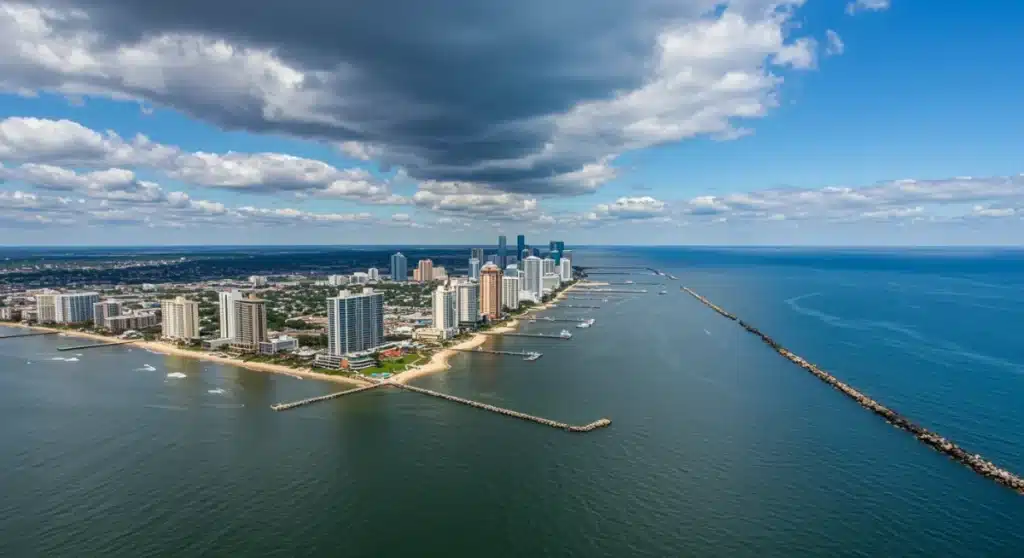
The sea level rise as a critical issue affecting U.S. coastal regions, with updated projections from scientific bodies pointing to more immediate risks than previously anticipated. These changes are already influencing planning decisions across vulnerable areas.
Key facts show significant economic exposure in sectors such as real estate, tourism, and fisheries. Verified analyses indicate increased property risk, disruptions to coastal tourism infrastructure, and declining fishery yields due to habitat changes and shifting marine ecosystems.
Looking ahead, stakeholders should monitor adaptation strategies, federal and state policy responses, and investment in resilient infrastructure. Proactive planning and data-driven decision-making will be essential to mitigate economic losses and ensure long-term sustainability in coastal industries.
Understanding the Accelerated Sea Level Rise Projections
New scientific models, according to reports from the National Oceanic and Atmospheric Administration (NOAA) in early 2024, indicate a more rapid increase in global sea levels than previously anticipated.
These updated projections highlight a critical juncture for coastal communities and industries.
This acceleration is primarily attributed to increased ice sheet melt in Greenland and Antarctica, coupled with thermal expansion of ocean waters.
The combined effect creates a compounding challenge, pushing the timelines for significant impacts much closer to the present.
For the U.S. coastline, this means that the 2026 Coastal Impact Outlook must now incorporate a heightened sense of urgency. Regions like the Gulf Coast and the Mid-Atlantic are particularly vulnerable, experiencing subsidence that exacerbates the rising water levels.
Real Estate: A Shifting Foundation in Coastal Zones
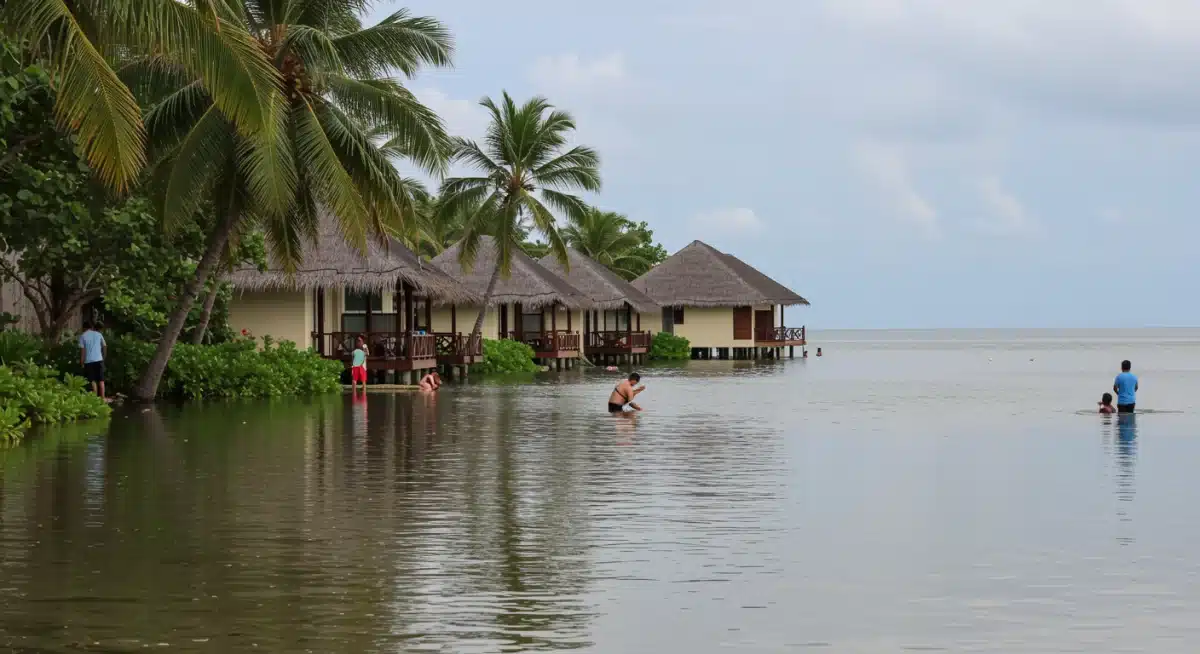
The coastal real estate market faces unprecedented challenges as rising sea levels threaten property values, insurability, and development opportunities. Billions of dollars in assets are at risk, prompting a reevaluation of investment strategies.
Homeowners, developers, and municipalities are grappling with increased flooding, saltwater intrusion, and erosion. These factors are already beginning to deter buyers and elevate insurance premiums, making coastal living increasingly precarious.
The 2026 Coastal Impact Outlook suggests that property values in high-risk zones could see significant depreciation, leading to a potential ripple effect across local economies. This necessitates innovative solutions for coastal protection and urban planning.
Impact on Property Values and Insurance
Coastal properties, once considered prime investments, are now subject to re-evaluation as the risk of inundation becomes more immediate.
Lenders and insurers are adjusting their risk assessments, which directly affects property affordability and availability.
The cost of flood insurance, particularly through the National Flood Insurance Program (NFIP), is projected to rise substantially.
This increase will disproportionately affect lower-income communities and could force many residents to abandon their homes.
Development Challenges and Infrastructure at Risk
- New construction in vulnerable areas faces stricter regulations and higher costs for elevation and floodproofing.
- Existing infrastructure, including roads, bridges, and wastewater treatment plants, requires costly upgrades or relocation.
- Coastal communities must consider strategic retreat or significant investment in protective barriers, impacting local taxes and budgets.
The long-term viability of coastal development hinges on effective adaptation strategies. Without them, the economic foundation of these regions will erode alongside their shorelines, underscoring the urgency of the 2026 Coastal Impact Outlook.
Tourism: Ebbing Tides for Coastal Destinations
The U.S. tourism industry, a significant economic driver for many coastal states, faces existential threats from rising sea levels. Beaches, a primary attraction, are shrinking, and resort infrastructure is increasingly vulnerable to storm surges and chronic flooding.
Popular destinations from Florida to California are already experiencing the effects, with reduced beach access and damage to hotels, restaurants, and recreational facilities. This directly impacts visitor numbers and local revenue streams.
The 2026 Coastal Impact Outlook indicates that without substantial investment in coastal protection and diversified attractions, many traditional beach towns could see their economic lifelines severed.
Adaptation is not just about survival, but about reinventing the coastal tourism experience.
Threat to Beaches and Recreational Areas
Erosion, exacerbated by rising sea levels, is diminishing the very resource that draws millions of tourists annually: sandy beaches. Beach nourishment projects are temporary and costly, offering limited long-term solutions.
Coastal parks, wildlife refuges, and historical sites are also at risk of inundation, reducing the diversity of attractions available to visitors.
The loss of these natural and cultural assets represents an irreplaceable blow to coastal tourism.
Vulnerability of Coastal Infrastructure and Services
- Hotels, boardwalks, and piers are susceptible to damage from increasingly frequent and severe coastal storms.
- Access roads and transportation networks can be cut off during high tides or storm events, isolating tourist areas.
- Water and sewage systems in low-lying areas face contamination risks and operational disruptions, impacting public health and safety.
The tourism sector must innovate, focusing on resilient infrastructure and alternative attractions that are less vulnerable to coastal changes. The 2026 Coastal Impact Outlook demands a strategic pivot to ensure continued economic vitality.
Fisheries: Navigating Troubled Waters
The U.S. fishing industry, a cornerstone of coastal economies and food security, confronts multifaceted challenges from rising sea levels. Changes in ocean temperature, salinity, and habitat loss directly impact fish populations and fishing operations.
Coastal wetlands, crucial nurseries for many commercially important species, are being submerged or degraded by saltwater intrusion. This loss of habitat disrupts the entire marine food web, affecting catch sizes and species diversity.
The 2026 Coastal Impact Outlook suggests that without significant conservation efforts and adaptive management, many fishing communities could face severe economic hardship. The industry must adapt to shifting marine ecosystems and increasingly volatile weather patterns.
Habitat Loss and Species Migration
Rising sea levels lead to the loss of critical coastal habitats such as salt marshes, mangrove forests, and oyster reefs. These ecosystems provide vital breeding grounds and protection for a wide array of marine life.
As ocean temperatures rise, many fish species are migrating to cooler waters, altering traditional fishing grounds.
This forces fishing fleets to travel further, increasing operational costs and uncertainty for fishermen.
Infrastructure Damage and Operational Challenges
- Docks, processing plants, and other port infrastructure are vulnerable to flooding and storm damage, disrupting supply chains.
- Increased coastal erosion makes safe harbor access more difficult and reduces available space for fishing operations.
- Changes in ocean currents and increased storm frequency pose safety risks to fishing vessels and crews, impacting fishing days.
The fishing industry requires adaptive strategies that include sustainable aquaculture, resilient port infrastructure, and international cooperation to manage transboundary fish stocks. The 2026 Coastal Impact Outlook underscores the need for immediate and sustained action.
Economic Repercussions and Policy Responses
The combined impacts on real estate, tourism, and fisheries create a significant economic burden for the U.S. coastal regions. This includes direct losses, increased recovery costs, and long-term economic instability.
Local and state governments are under pressure to develop comprehensive adaptation plans, which often involve difficult trade-offs between economic development and environmental protection. Funding for such initiatives remains a critical challenge.
The 2026 Coastal Impact Outlook highlights the urgent need for coordinated policy responses at federal, state, and local levels. These responses must integrate scientific data with community needs to foster resilient coastal economies.
Cost of Inaction Versus Investment in Resilience
Economists project that the cost of inaction regarding sea level rise far outweighs the investment required for proactive resilience measures.
Delayed responses will lead to greater economic disruption and higher long-term recovery expenses.
Investment in coastal protection, such as natural infrastructure like wetlands and dunes, offers multiple benefits beyond flood control, including habitat restoration and carbon sequestration. These solutions are often more cost-effective than hard engineering approaches.
Federal and State Initiatives for Adaptation
- Federal agencies like FEMA and NOAA are developing programs to assist coastal communities with planning and funding for adaptation.
- State-level initiatives focus on zoning changes, building codes, and conservation efforts to reduce vulnerability.
- Public-private partnerships are emerging as a key mechanism for financing large-scale resilience projects.
The policy landscape must evolve rapidly to match the pace of environmental change. The 2026 Coastal Impact Outlook serves as a stark reminder that effective governance is paramount in mitigating these impacts.
Technological Innovations in Coastal Resilience
Advances in technology offer promising solutions to mitigate the effects of rising sea levels on coastal industries. From advanced mapping to innovative construction, technology is playing a crucial role in adaptation efforts.
Satellite imagery, Lidar data, and predictive modeling are enhancing our understanding of flood risks and erosion patterns. This information is critical for informed decision-making in urban planning and infrastructure development.
The 2026 Coastal Impact Outlook will increasingly rely on these technological innovations to develop sustainable and effective resilience strategies. Investing in research and development is key to fostering future adaptability.
Smart Infrastructure and Early Warning Systems
Smart infrastructure, incorporating sensors and real-time data, can monitor water levels and structural integrity, providing early warnings for potential flooding.
This allows for timely evacuation and protection of critical assets.
Advanced weather forecasting models, integrated with sea level rise projections, offer communities better preparation for storm surges and extreme weather events. These systems are vital for protecting lives and property.
Nature-Based Solutions and Green Engineering
- Restoration of coastal wetlands, oyster reefs, and mangrove forests provides natural buffers against storm surge and erosion.
- Bio-engineered seawalls and living shorelines offer environmentally friendly alternatives to traditional hardened structures.
- Innovative building materials and modular construction techniques allow for more resilient and adaptable coastal structures.
These technological and nature-based solutions are essential components of a comprehensive strategy for coastal resilience. The 2026 Coastal Impact Outlook demands a multi-faceted approach that leverages both ecological and technological advancements.
Community Engagement and Local Adaptation
Effective adaptation to rising sea levels requires strong community engagement and locally tailored solutions. Residents, businesses, and local governments must collaborate to develop and implement resilience plans.
Public awareness campaigns and educational initiatives are crucial for informing communities about the risks and available options. Empowering local stakeholders ensures that adaptation strategies are relevant and widely supported.
The 2026 Coastal Impact Outlook emphasizes that successful resilience is built from the ground up, with local knowledge and participation driving the planning process. Bottom-up approaches complement top-down policy directives.
Role of Local Governments and Planning
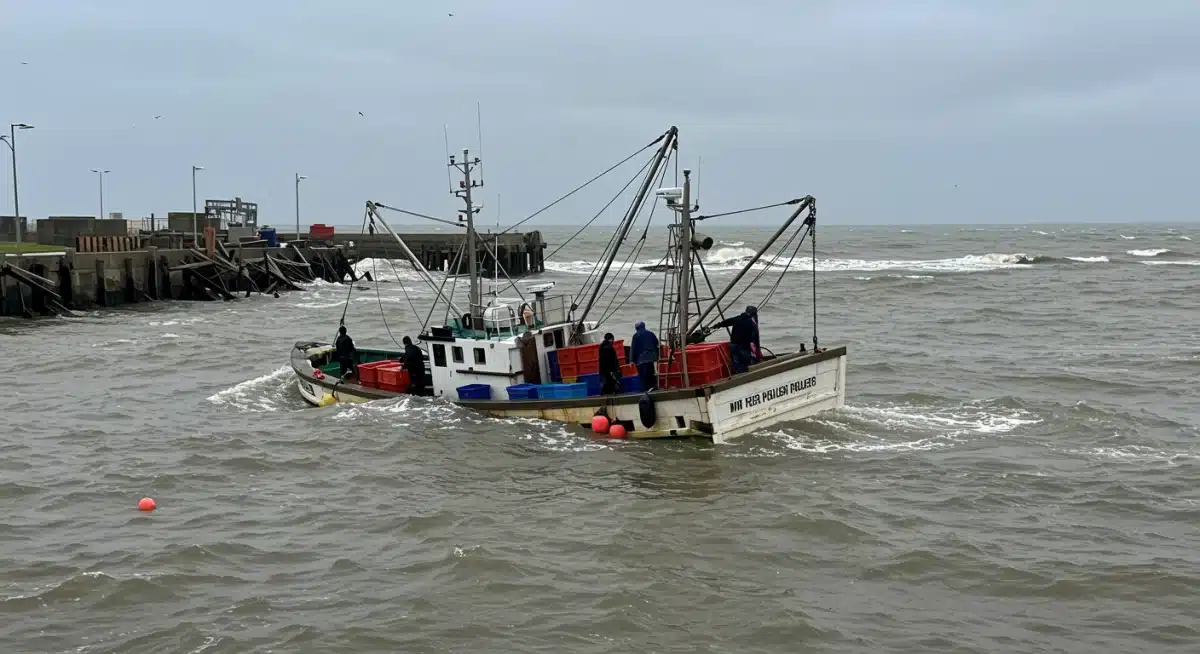
Local governments are on the front lines of sea level rise, responsible for zoning, building codes, and emergency management.
They play a pivotal role in guiding development away from high-risk areas and investing in protective measures.
Comprehensive land-use planning that incorporates future sea level rise projections is essential for long-term sustainability. This includes identifying areas for managed retreat and protecting critical natural buffers.
Citizen Science and Grassroots Initiatives
- Citizen science programs engage residents in monitoring local environmental changes, contributing valuable data to scientific research.
- Grassroots organizations advocate for policy changes and implement local restoration projects, fostering community resilience.
- Local workshops and forums provide platforms for discussing challenges and collaboratively developing solutions, strengthening community bonds.
Engaging communities in the adaptation process ensures that solutions are equitable and address the diverse needs of coastal populations. The 2026 Coastal Impact Outlook underscores the importance of collective action and shared responsibility.
| Key Impact Area | Brief Description of 2026 Outlook |
|---|---|
| Coastal Real Estate | Increased flooding, property value depreciation, and rising insurance costs in vulnerable U.S. coastal zones. |
| Coastal Tourism | Shrinking beaches, damaged infrastructure, and reduced visitor numbers affecting economic viability of destinations. |
| U.S. Fisheries | Habitat loss, species migration, and infrastructure damage impacting catch sizes and operational costs. |
| Economic Resilience | Urgent need for policy adaptation, technological innovation, and community engagement to mitigate broad economic losses. |
Frequently Asked Questions About Coastal Impacts
By 2026, coastal property insurance rates are projected to increase significantly, particularly in high-risk areas. This is due to updated flood risk models and the rising frequency of extreme weather events. Homeowners may face higher premiums or struggle to find adequate coverage, impacting affordability and market values.
The Gulf Coast, particularly Louisiana and Florida, along with parts of the Mid-Atlantic states, are identified as most vulnerable. These regions experience significant land subsidence in addition to global sea level rise, exacerbating the effects on real estate, tourism, and fisheries infrastructure.
The tourism industry can adapt by investing in resilient infrastructure, diversifying attractions beyond traditional beaches, and promoting eco-tourism. This includes elevating structures, creating artificial reefs, and investing in cultural or historical sites further inland to maintain visitor appeal and economic stability.
Measures include restoring coastal wetlands and mangrove forests, which serve as crucial fish nurseries, and implementing sustainable aquaculture practices. Additionally, efforts are underway to improve port infrastructure resilience and support research into species migration patterns to inform adaptive fishing strategies.
Federal policies are crucial for funding coastal resilience projects, revising flood insurance programs, and supporting scientific research. Agencies like NOAA and FEMA are developing guidelines and financial assistance programs to help states and local communities implement adaptation strategies and build more resilient infrastructure.
Looking Ahead: Preparing for a Transformed Coastline
The 2026 Coastal Impact Outlook underscores a critical period of environmental and economic transition for the United States. The challenges posed by rising sea levels are immediate and demand concerted action from all sectors.
Understanding the vulnerabilities within real estate, tourism, and fisheries is merely the first step. The path forward requires sustained investment in resilient infrastructure, innovative adaptation strategies, and strong policy frameworks.
The coming years will define the future of America’s coastal regions. Proactive measures, informed by the 2026 Coastal Impact Outlook, will be essential in safeguarding economic stability and preserving the unique character of these vital areas for generations to come.