Navigating the 2026 Inflation Reduction Act: 5 Key Tax Credits for Sustainable Home Upgrades in the US
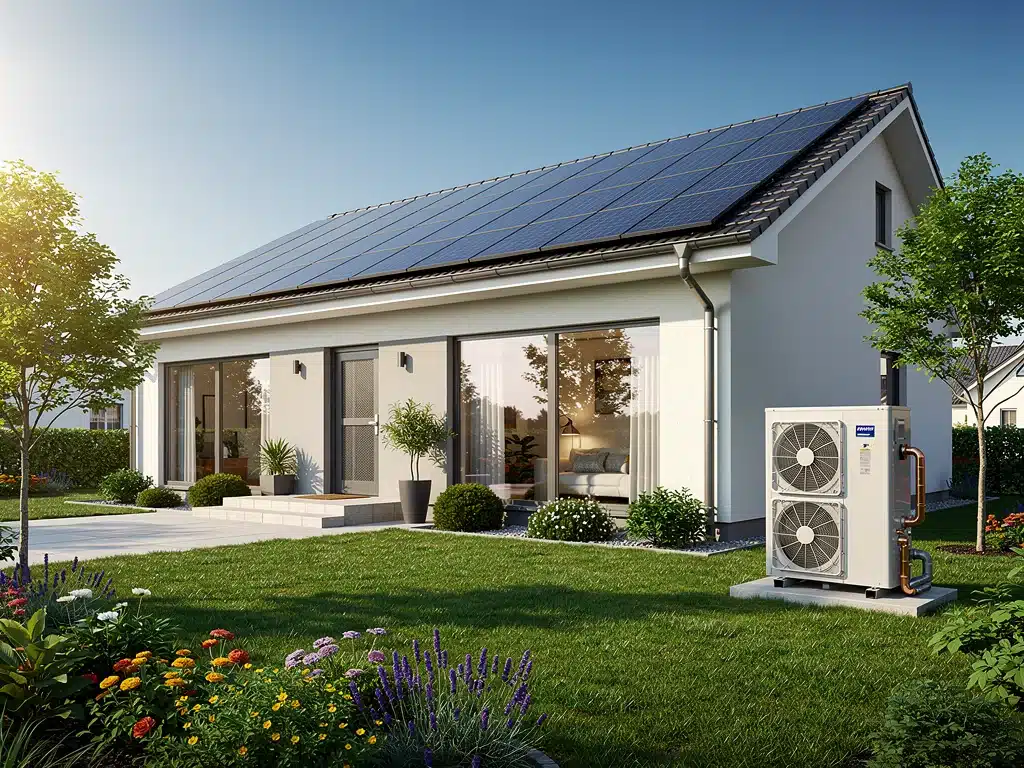
Ready to slash your utility bills and have Uncle Sam foot part of the bill? Capitalizing on the IRA Home Upgrade Tax Credits in 2026 is the ultimate strategy for American homeowners looking to transition to sustainable living without breaking the bank.
With the Energy Efficient Home Improvement Credit offering robust federal incentives this tax season, going green is no longer just an environmental choice, it is a major financial win.
Upgrading your property’s infrastructure can instantly trigger substantial write-offs that dramatically lower your net installation costs.
By understanding how to combine these federal clean energy incentives with local utility rebates, you can fund everything from heat pumps to residential solar systems. This guide breaks down the five most lucrative residential climate tax breaks so you can maximize your upcoming refund.
Understanding the Inflation Reduction Act’s Impact on Homeowners
The Inflation Reduction Act (IRA) is a landmark piece of legislation that allocates significant federal funding towards climate change initiatives, healthcare costs, and tax reform.
Its provisions for homeowners are particularly impactful, offering substantial financial incentives to encourage the adoption of energy-efficient technologies and renewable energy sources.
These incentives are structured as tax credits, directly reducing the amount of income tax owed, dollar for dollar.
This direct reduction makes them more valuable than tax deductions, which only lower taxable income. The IRA’s focus on residential energy efficiency is a key component of its broader strategy to reduce greenhouse gas emissions and bolster energy independence.
For homeowners, this means a tangible opportunity to lower utility bills, increase home value, and contribute to environmental sustainability, all while receiving financial assistance from the federal government. IRA Home Upgrade Tax Credits provides a crucial framework for understanding these benefits.
The Broader Context of Sustainable Upgrades
Sustainable home upgrades encompass a wide range of improvements, from enhancing insulation to installing solar panels. The IRA specifically targets upgrades that demonstrably reduce energy consumption or produce clean energy, aligning with national climate objectives.
The long-term benefits extend beyond individual savings, contributing to a more resilient national energy grid and reduced reliance on fossil fuels.
This legislative push is designed to create a ripple effect, stimulating demand for green technologies and fostering innovation within the sustainable energy sector. The act’s provisions are set to reshape the landscape of home improvement for years to come.
Homeowners are encouraged to consider a holistic approach to upgrades, as many improvements can work synergistically to maximize energy savings and tax credit eligibility.
Planning ahead and understanding the specific requirements for each credit will be essential for successful implementation. This comprehensive approach ensures that investments yield the greatest possible return, both financially and environmentally.
The Energy Efficient Home Improvement Credit (25C)
The Energy Efficient Home Improvement Credit, often referred to as the 25C credit, is a cornerstone of the IRA’s residential energy provisions.
This credit allows homeowners to claim a tax credit for making certain energy-efficient improvements to their existing homes. It covers a broad spectrum of upgrades, from insulation to new heating and cooling systems.
Starting in 2023 and extending through 2032, the credit amounts to 30% of the cost of eligible home improvements, up to an annual limit of $1,200 for most upgrades.
There are also specific higher limits for certain items, such as heat pumps and biomass stoves, which can qualify for up to $2,000 annually. This structure encourages a continuous investment in home efficiency over multiple years.
Understanding the specific eligibility requirements for each type of upgrade is vital for homeowners looking to capitalize on this credit.
The credit aims to make energy-efficient choices more financially attractive, thereby accelerating the adoption of sustainable practices across the housing sector. This is a key element in IRA Home Upgrade Tax Credits.
Eligible Upgrades and Annual Limits
The 25C credit covers a variety of improvements, each with its own specifications for eligibility and maximum credit amount.
These include exterior doors, windows, skylights, insulation materials, and energy-efficient heating and air conditioning systems. The annual cap of $1,200 applies to a combination of these improvements, with a few exceptions.
For instance, heat pumps, biomass stoves, and biomass boilers have a separate annual credit limit of $2,000. This higher incentive reflects the significant energy savings and environmental benefits associated with these technologies.
Homeowners can strategically plan their upgrades over several years to take full advantage of these annual limits, maximizing their cumulative savings.
It is important to note that the credit applies to improvements made to an existing home, not new construction. The components must meet specific energy efficiency standards set by the IRS and Department of Energy.
Keeping detailed records of purchases and installation costs will be crucial for claiming the credit accurately when filing taxes.
Residential Clean Energy Credit (25D)
The Residential Clean Energy Credit, also known as the 25D credit, is designed to support homeowners who invest in renewable energy systems for their residences.
This credit is particularly generous, offering a direct incentive for installing solar, wind, geothermal, and fuel cell technology. It plays a pivotal role in the broader strategy of IRA Home Upgrade Tax Credits.
The 25D credit provides a tax credit equal to 30% of the cost of eligible new, qualified clean energy property for your home. Unlike the 25C credit, the 25D credit has no annual dollar limit, making it a powerful tool for significant investments in renewable energy infrastructure.
This substantial incentive underscores the government’s commitment to transitioning towards a clean energy economy.
Homeowners considering major installations like solar panel systems will find this credit incredibly beneficial in offsetting the upfront costs. The credit is available for systems placed in service from 2022 through 2032, after which it begins to gradually step down.
This extended timeframe provides ample opportunity for homeowners to plan and implement their renewable energy projects.
What Qualifies for the 25D Credit?
The 25D credit covers a range of clean energy systems, each contributing to a home’s energy independence and reduced carbon footprint. Solar electric property (solar panels), solar water heating property, and small wind energy property are all eligible. Geothermal heat pump property, which uses the earth’s stable temperature to heat and cool homes, also qualifies.
Fuel cell property, specifically for residential use, is another eligible category, though it is less common for typical homeowners. All these systems must be new and placed in service within the specified timeframe. The credit also applies to the cost of installation, including labor, permitting, and inspection fees, making it comprehensive in its coverage.
To qualify, the equipment must meet certain safety and performance standards, and the energy generated must be for use in your home. Maintaining meticulous records of all expenditures related to the purchase and installation of these systems is crucial for a successful tax credit claim. This credit is a powerful driver for the adoption of significant clean energy technologies.
The Clean Energy Home Appliance Rebates (HOMES & HEEHRP)
Beyond tax credits, the Inflation Reduction Act also introduces significant rebate programs for homeowners, specifically the Home Energy Rebates (HOMES) program and the High-Efficiency Electric Home Rebate Program (HEEHRP).
These programs offer upfront discounts at the point of sale or installation, making sustainable upgrades immediately more affordable. This is a critical aspect when IRA Home Upgrade Tax Credits.

These rebates are administered by state energy offices and were expected to become available in 2024, with funding allocated to states to establish and manage their specific programs.
Unlike tax credits, which are claimed when filing taxes, rebates provide immediate financial relief, reducing the out-of-pocket expense for eligible appliances and improvements.
This approach aims to remove financial barriers for a broader range of households, particularly those with lower incomes.
The combined effect of these rebates and tax credits creates a powerful incentive structure for homeowners to transition to more energy-efficient and electric home systems.
It’s essential for homeowners to monitor their state’s energy office websites for specific program launch dates, eligibility criteria, and application procedures, as these details will vary by state.
HOMES and HEEHRP: Key Differences and Benefits
The HOMES program (Home Owner Managing Energy Savings) offers rebates based on the measured or modeled energy savings of a home.
For example, if a home reduces its energy consumption by at least 35%, homeowners could receive up to $4,000, or up to $8,000 for low- and moderate-income households. This program incentivizes comprehensive energy efficiency retrofits.
The HEEHRP (High-Efficiency Electric Home Rebate Program) focuses on specific high-efficiency electric appliances and upgrades.
It provides rebates for items such as heat pump HVAC systems (up to $8,000), heat pump water heaters (up to $1,750), electric stoves, and electric clothes dryers (up to $840 each). These rebates are primarily targeted at low- and moderate-income households, with maximum rebates reaching up to $14,000 per household.
These rebate programs are designed to complement the tax credits, offering different avenues for financial assistance.
Homeowners should assess which programs best suit their financial situation and planned upgrades. Coordinating these incentives effectively can lead to substantial reductions in the overall cost of sustainable home improvements, making them accessible to a wider demographic.
Maximizing Your Savings: Strategies for Homeowners
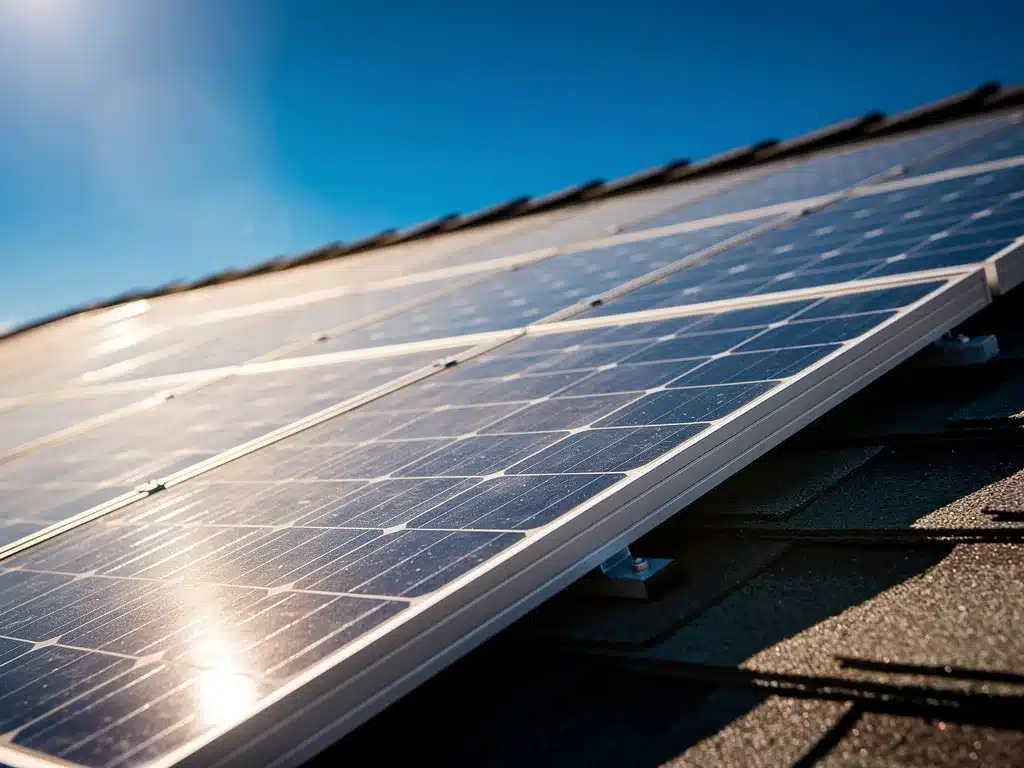
To fully leverage the benefits offered by the Inflation Reduction Act, homeowners need a strategic approach to their sustainable home upgrades. Simply installing individual components without a comprehensive plan might mean missing out on potential savings.
A well-thought-out strategy can combine multiple credits and rebates, significantly reducing the financial burden. This strategic planning is central to IRA Home Upgrade Tax Credits.
One key strategy involves phasing upgrades over several years to take advantage of annual credit limits, particularly for the 25C credit.
For example, a homeowner could install new energy-efficient windows in one year and upgrade their insulation the next, claiming the maximum $1,200 credit each year. This allows for a more gradual investment while still receiving consistent financial support.
Another crucial step is to conduct a home energy audit. This assessment identifies the most impactful upgrades for your specific home, ensuring that your investments yield the greatest energy savings and are eligible for the most beneficial incentives.
Many utilities offer free or low-cost energy audits, providing valuable insights into your home’s energy performance.
Combining Credits and Rebates
Understanding how the various tax credits and rebates can be combined is paramount for maximizing savings. While you generally cannot claim both a tax credit and a rebate for the exact same expense, you can often use different incentives for different components of a larger project.
For instance, you might use the 25D credit for a new solar panel system and an HEEHRP rebate for a heat pump water heater.
It is also important to consider the timing of your upgrades relative to the availability of state-administered rebate programs.
As these programs roll out, they might have specific application windows or limited funds. Staying informed through your state’s energy office and local contractors is critical to seizing these opportunities when they arise.
Finally, meticulous record-keeping is non-negotiable. Keep all receipts, invoices, product specifications, and certification statements for eligible improvements.
This documentation will be essential for accurately claiming tax credits and applying for rebates, ensuring a smooth process and maximizing your financial returns on sustainable home investments. This organized approach is vital for every homeowner.
Beyond 2026: Long-Term Benefits and Future Outlook
While the immediate focus is on the tax credits and rebates available in the near term, the Inflation Reduction Act’s influence extends far beyond 2026, creating a lasting impact on the landscape of sustainable home ownership.
The incentives are designed to foster a long-term shift towards energy independence and environmental responsibility. This forward-looking perspective is crucial when IRA Home Upgrade Tax Credits.
Homeowners who invest in these upgrades can expect not only reduced utility bills but also increased home value and improved indoor air quality.
The durability and efficiency of modern sustainable technologies mean these benefits will accrue over many years, providing a continuous return on investment. Furthermore, a greener home contributes to a smaller carbon footprint, aligning with global climate goals.
The extended duration of many of these tax credits, some lasting until 2032, offers a stable environment for planning future improvements.
This predictability allows homeowners to budget and schedule upgrades strategically, ensuring they can take full advantage of the available financial support over time. The IRA is not just a short-term stimulus but a long-term commitment to sustainability.
The Evolving Market for Sustainable Solutions
The IRA’s robust incentives are expected to drive significant innovation and competition within the sustainable home technology market.
As demand for solar panels, heat pumps, and other energy-efficient appliances grows, manufacturers are likely to respond with more advanced, affordable, and accessible products. This market evolution will further benefit homeowners, offering a wider array of choices and potentially lower prices.
Moreover, the increased adoption of these technologies will contribute to the growth of a skilled workforce in installation and maintenance, creating new job opportunities in the green economy.
This broader economic impact underscores the comprehensive nature of the IRA’s vision. The act is not just about individual savings but about transforming entire industries and communities.
As the provisions mature, it is plausible that additional guidance or adjustments might be introduced to optimize their effectiveness. Homeowners should remain informed through official IRS publications, Department of Energy resources, and reputable news outlets to stay abreast of any changes.
The journey of IRA Home Upgrade Tax Credits is an ongoing one, with continuous opportunities for benefit and contribution.
| Key Incentive | Brief Description |
|---|---|
| Energy Efficient Home Improvement Credit (25C) | 30% credit for various home energy efficiency upgrades, annual limits apply. |
| Residential Clean Energy Credit (25D) | 30% credit for renewable energy systems like solar, no annual limit. |
| Clean Energy Home Appliance Rebates (HOMES/HEEHRP) | Upfront rebates for specific high-efficiency electric appliances and retrofits. |
| Strategic Planning | Combine credits and rebates, phase upgrades, and keep detailed records for maximum savings. |
Frequently Asked Questions About IRA Home Upgrades
The IRA covers a wide range of sustainable home upgrades. This includes energy-efficient windows, doors, insulation, and certain HVAC systems under the 25C credit. The 25D credit specifically targets renewable energy installations like solar panels, wind energy systems, and geothermal heat pumps. Rebates focus on high-efficiency electric appliances.
Yes, homeowners can often combine different tax credits and rebates for various components of a larger sustainable home project. For instance, you might use the 25D credit for solar panels and a 25C credit for new insulation in the same year. However, you generally cannot claim both a tax credit and a rebate for the exact same expense.
For the tax credits (25C and 25D), there are generally no income limitations. However, the rebate programs (HOMES and HEEHRP) often have income-based eligibility requirements, with higher rebate amounts available for low- and moderate-income households. It’s crucial to check specific state program guidelines for details on income thresholds.
Tax credits are claimed when filing your federal income tax return using IRS Form 5695. For rebates, you will typically apply through your state’s energy office or a designated local administrator, often at the point of sale or installation. Keep all receipts and documentation for both processes to ensure successful claims.
Most of the tax credits, including 25C and 25D, are available through 2032, with a gradual step-down in later years. Rebate programs are state-specific and will have varying timelines and funding availability. It is advisable to act sooner rather than later and monitor official sources for the most current deadlines and program updates.
Next Steps for Sustainable Home Upgrades
The Inflation Reduction Act presents an unprecedented opportunity for homeowners to invest in sustainable upgrades, benefiting both their finances and the environment.
Understanding the intricacies of IRA Home Upgrade Tax Credits is the first step towards realizing these benefits. The coming years will see increased adoption of these technologies, driven by both consumer demand and legislative support.
Homeowners should prioritize engaging with certified contractors, conducting thorough energy audits, and meticulously documenting all expenditures related to eligible improvements.
Staying informed about state-specific rebate program launches and IRS guidance will be crucial for maximizing available incentives. This proactive approach ensures that investments are strategically aligned with the IRA’s provisions.
The long-term impact of these credits and rebates will extend beyond individual households, contributing to a more resilient, energy-independent nation.
As the market for sustainable solutions evolves, continuous engagement and informed decision-making will empower homeowners to play a vital role in the transition to a cleaner, greener future for the United States.