State-Level Environmental Impact Assessment Requirements 2026
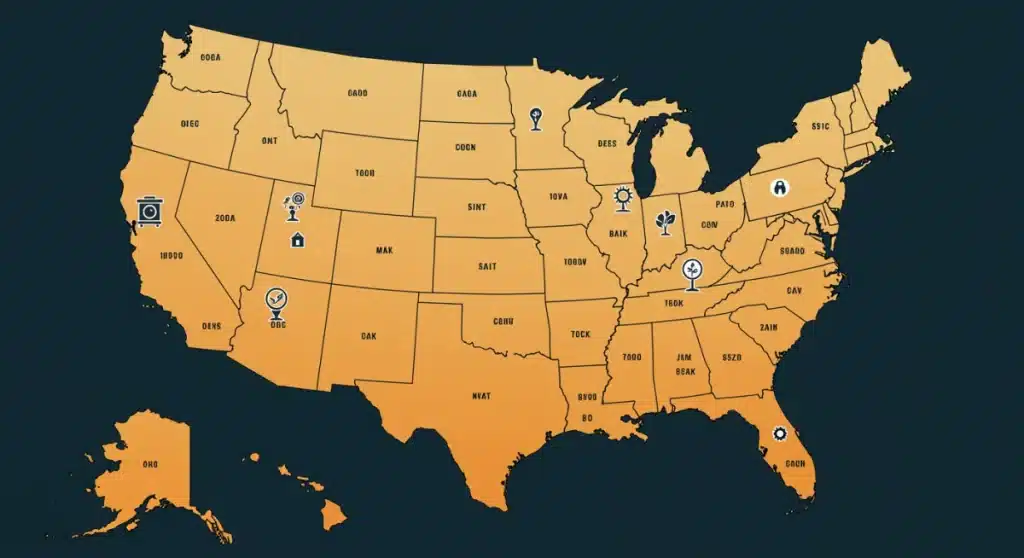
Understanding state-level environmental impact assessment requirements in the US for 2026 is crucial for businesses to ensure compliance and sustainable development amidst evolving regulatory landscapes.
For businesses operating across the United States, understanding the intricacies of environmental impact assessment requirements at the state level in 2026 is not merely a legal obligation but a strategic imperative. The regulatory landscape is a mosaic of diverse mandates, each with its own nuances and implications for project development and operational sustainability. This comprehensive analysis aims to demystify these varied state-specific demands, offering clarity and foresight for companies navigating this complex terrain.
The Evolving Landscape of Environmental Impact Assessments
The field of environmental impact assessments (EIAs) is dynamic, constantly adapting to new scientific understanding, public concerns, and legislative priorities. In 2026, many states are refining their EIA processes, driven by a renewed focus on climate change, biodiversity loss, and environmental justice. These changes often translate into more rigorous data collection, broader stakeholder engagement, and stricter mitigation measures for proposed projects.
Understanding these shifts requires continuous monitoring of legislative updates and regulatory interpretations. States are increasingly moving towards incorporating cumulative impact assessments, which consider the combined effects of multiple projects over time and across a broader geographic area. This holistic approach aims to prevent incremental degradation that might otherwise go unnoticed under narrower assessment scopes.
Key Drivers of EIA Evolution
- Climate Change Mitigation: Many states are now requiring projects to assess their greenhouse gas emissions and outline strategies for reduction, aligning with broader climate goals.
- Biodiversity Protection: Enhanced scrutiny on potential impacts to endangered species, critical habitats, and ecological corridors is becoming standard.
- Environmental Justice: There’s a growing emphasis on evaluating how projects might disproportionately affect underserved communities, ensuring equitable distribution of environmental burdens and benefits.
- Technological Advancements: The use of advanced modeling, remote sensing, and data analytics is transforming how impacts are predicted and monitored, leading to more precise and comprehensive assessments.
The evolving nature of EIA requirements underscores the need for businesses to adopt proactive strategies. Early engagement with regulatory bodies and a thorough understanding of state-specific guidelines are essential for successful project approvals and avoiding costly delays. This proactive stance helps integrate environmental considerations from the initial planning stages, fostering more sustainable outcomes.
Variations in State-Level EIA Frameworks
While the National Environmental Policy Act (NEPA) provides a federal umbrella for environmental review, state-level environmental impact assessment requirements in the US in 2026 vary significantly. Some states have comprehensive “little NEPA” laws that mirror the federal process, requiring extensive environmental impact statements for major state actions. Other states have more limited review processes, focusing on specific types of projects or environmental permits.
These differences can create a complex web for businesses operating across state lines. A project that might sail through in one state could face significant hurdles and delays in another due to divergent legislative mandates, administrative procedures, and public participation requirements. Companies must conduct thorough due diligence to identify the specific regulatory framework applicable to their project’s location.
Categorization of State EIA Approaches
- Comprehensive “Little NEPA” States: States like California (CEQA) and New York (SEQRA) have robust statutes requiring detailed environmental review for a wide range of state and local government actions, often extending to privately funded projects requiring state permits.
- Sector-Specific Review: Some states focus their environmental review efforts on particular industries, such as mining, energy development, or large-scale infrastructure, without a broad, overarching EIA law.
- Permit-Based Reviews: Many states integrate environmental considerations into their permitting processes for air, water, and waste, rather than having a standalone EIA process. The environmental review is conducted as part of the permit application.
- Minimal or No Formal EIA: A smaller number of states have very limited or no formal statewide EIA requirements, relying instead on federal NEPA review for federally funded or permitted projects, or on local ordinances.
Navigating these distinct approaches demands specialized expertise. Businesses need to understand not only the letter of the law but also the practical implementation and enforcement patterns within each state. Engaging local environmental consultants and legal counsel can be invaluable in deciphering these regional differences and ensuring compliance.
Key Components of State EIA Processes
Despite the variations, most state-level environmental impact assessment requirements in the US in 2026 share common foundational elements. These generally include initial screening to determine if an EIA is necessary, scoping to identify key issues, impact analysis, development of mitigation measures, and public review periods. The depth and rigor of each component, however, can differ significantly.
For instance, the initial screening phase, often called an Environmental Assessment (EA) or a similar preliminary review, might be very detailed in some states, requiring extensive baseline data collection. In others, it could be a more streamlined checklist approach. Similarly, the public review process can range from simple notice requirements to extensive public hearings and comment periods, with significant influence on project timelines.
Essential Stages of a Typical State EIA
- Project Screening: Determines if a project requires an EIA based on size, type, or potential impact. This often involves an environmental questionnaire or initial assessment.
- Scoping: Identifies the significant environmental issues to be addressed in the EIA and determines the scope of the assessment, often involving agency and public input.
- Impact Analysis: Detailed studies to predict and evaluate potential environmental impacts (e.g., air quality, water resources, wildlife, cultural resources).
- Mitigation and Alternatives: Proposing measures to avoid, minimize, or compensate for adverse impacts, and exploring feasible alternatives to the proposed project.
- Public Review and Comment: Providing opportunities for the public and other agencies to review and comment on the draft EIA document.
- Decision Making: Incorporating the EIA findings and public comments into the final decision on project approval, often with conditions.
Successfully navigating these stages requires meticulous planning and a robust understanding of scientific methodologies. Businesses must be prepared to invest in comprehensive studies and engage effectively with stakeholders throughout the process. The quality of the EIA document directly influences the likelihood of project approval and can significantly reduce future legal challenges.
Challenges and Opportunities for Businesses
The diverse and evolving nature of state-level environmental impact assessment requirements in the US in 2026 presents both substantial challenges and unique opportunities for businesses. Challenges include increased compliance costs, potential project delays, and the need for specialized expertise to interpret and meet varied regulations. The risk of legal challenges from environmental groups or affected communities also remains a significant concern.
However, these requirements also offer opportunities for innovation and competitive advantage. Companies that proactively integrate environmental considerations into their project planning can enhance their public image, attract environmentally conscious investors, and potentially unlock new markets for sustainable products and services. Moreover, a thorough EIA can identify efficiencies and cost savings through optimized resource use and waste reduction.
Navigating the Regulatory Maze
- Resource Allocation: Businesses must allocate adequate financial and human resources to manage EIA processes, including engaging expert consultants and legal teams.
- Long-term Planning: Incorporating EIA considerations early in the project lifecycle can prevent costly redesigns and delays down the line.
- Stakeholder Engagement: Proactive and transparent communication with local communities, environmental organizations, and regulatory agencies can build trust and reduce opposition.
- Technological Adoption: Leveraging advanced environmental monitoring and modeling technologies can streamline assessment processes and improve accuracy.
The competitive landscape of 2026 demands that businesses view environmental compliance not as a burden, but as an integral part of responsible and profitable operations. Those that excel in this area will be better positioned to adapt to future regulatory changes and secure long-term success.
Strategies for Effective EIA Compliance
Effective compliance with state-level environmental impact assessment requirements in 2026 hinges on several strategic approaches. First and foremost is early engagement with regulatory authorities and local communities. Initiating dialogue before formal applications are submitted can help identify potential issues, foster collaboration, and streamline the review process. This proactive communication builds goodwill and can prevent misunderstandings or opposition.
Another crucial strategy involves investing in high-quality environmental due diligence and impact studies. Accurate baseline data and robust impact predictions are foundational to a defensible EIA. Businesses should engage reputable environmental consultants with specific expertise in the relevant state’s regulations and ecological conditions. This ensures that all data is scientifically sound and meets regulatory standards.
Best Practices for Streamlined Compliance
- Pre-application Consultations: Meet with state regulatory agencies and local planning departments early to understand specific requirements and expectations.
- Comprehensive Baseline Studies: Invest in detailed environmental surveys and data collection to establish a clear picture of existing conditions.
- Robust Impact Modeling: Utilize advanced tools and methodologies to accurately predict potential environmental effects.
- Proactive Mitigation Planning: Develop concrete and measurable mitigation strategies to address identified impacts, demonstrating a commitment to environmental protection.
- Transparent Documentation: Prepare clear, concise, and well-organized EIA documents that are easily understandable by both regulators and the public.
- Adaptive Management Plans: Include provisions for ongoing monitoring and adaptive management to respond to unforeseen impacts during project implementation.
By adopting these strategies, businesses can not only meet their compliance obligations but also enhance their environmental stewardship. This approach minimizes risks, optimizes project schedules, and contributes to more sustainable development outcomes, reinforcing a company’s commitment to responsible operation.
Future Outlook and Emerging Trends
Looking ahead, state-level environmental impact assessment requirements in the US are likely to become even more sophisticated and integrated. We can anticipate an increased emphasis on climate resilience, biodiversity net gain, and the use of digital tools for environmental data management and public engagement. The push for greater transparency and accessibility of EIA information will also continue, driven by public demand and technological advancements.
Furthermore, there is a growing trend towards regional cooperation on environmental issues, which could lead to more harmonized EIA approaches across neighboring states, particularly for projects with transboundary impacts. Businesses should monitor these emerging trends closely, as they will shape the future regulatory landscape and influence project development strategies in the coming years.
Anticipated Developments in EIA
- Climate Resilience Integration: EIAs will increasingly require projects to assess their vulnerability to climate change impacts and propose adaptation measures.
- Biodiversity Net Gain: Some states may move towards requiring projects to demonstrate a net positive impact on biodiversity, rather than just mitigating negative impacts.
- Digital Transformation: Greater use of GIS, AI, and blockchain for data collection, analysis, and secure record-keeping will streamline processes and enhance transparency.
- Enhanced Public Participation Platforms: Digital platforms will facilitate broader and more meaningful public engagement in the EIA process.
- Focus on Circular Economy Principles: Projects may be evaluated on their contribution to circular economy principles, such as waste reduction, recycling, and resource efficiency.
Staying informed about these forward-looking developments is critical for businesses aiming to remain competitive and compliant. Proactive anticipation of future requirements allows for strategic planning and innovation, transforming potential regulatory hurdles into opportunities for sustainable growth and leadership in environmental responsibility.
| Key Aspect | Brief Description | |
|---|---|---|
| Regulatory Diversity | US states exhibit varied EIA frameworks, from comprehensive ‘little NEPA’ laws to permit-based reviews, requiring localized compliance strategies. | |
| Evolving Requirements | EIAs are increasingly incorporating climate change, biodiversity, and environmental justice considerations, necessitating adaptive business approaches. | |
| Strategic Compliance | Early engagement, robust studies, and transparent communication are vital for effective navigation and successful project outcomes. | |
| Future Trends | Anticipate greater integration of climate resilience, biodiversity net gain, and digital tools in future EIA processes. |
Frequently Asked Questions About State EIAs
Federal EIA requirements, primarily under NEPA, apply to projects with federal funding or permits. State-level requirements, often called “little NEPAs,” address projects under state jurisdiction, varying widely in scope and stringency across different states.
Businesses should regularly consult state environmental agency websites, subscribe to regulatory updates, engage with industry associations, and work with environmental consultants and legal experts specializing in state-specific environmental law. Continuous monitoring is key.
Public participation is a critical component, allowing citizens and organizations to review and comment on proposed projects. This feedback can influence project design, mitigation measures, and even approval decisions, making early and transparent engagement essential.
Yes, some states have very limited or no standalone statewide EIA laws, relying instead on federal NEPA reviews for applicable projects or integrating environmental considerations solely within existing permitting processes for specific activities or industries.
Non-compliance can lead to severe consequences, including project delays, fines, legal challenges, forced project modifications or abandonment, and significant reputational damage. Adhering to requirements is vital for avoiding these costly pitfalls.
Conclusion
The landscape of state-level environmental impact assessment requirements for US businesses in 2026 is undeniably complex, characterized by significant jurisdictional variations and continuous evolution. Successfully navigating this intricate regulatory environment demands more than just adherence to minimum standards; it requires a proactive, strategic, and informed approach. Businesses that prioritize early engagement, invest in thorough environmental due diligence, and embrace sustainable practices will not only achieve compliance but also gain a competitive edge, fostering responsible growth and contributing positively to environmental stewardship. Understanding these nuances is critical for any enterprise aiming for long-term viability and success in an increasingly environmentally conscious world.