Adapting to 2025 Vehicle Emission Standards: A 6-Month Fleet Strategy
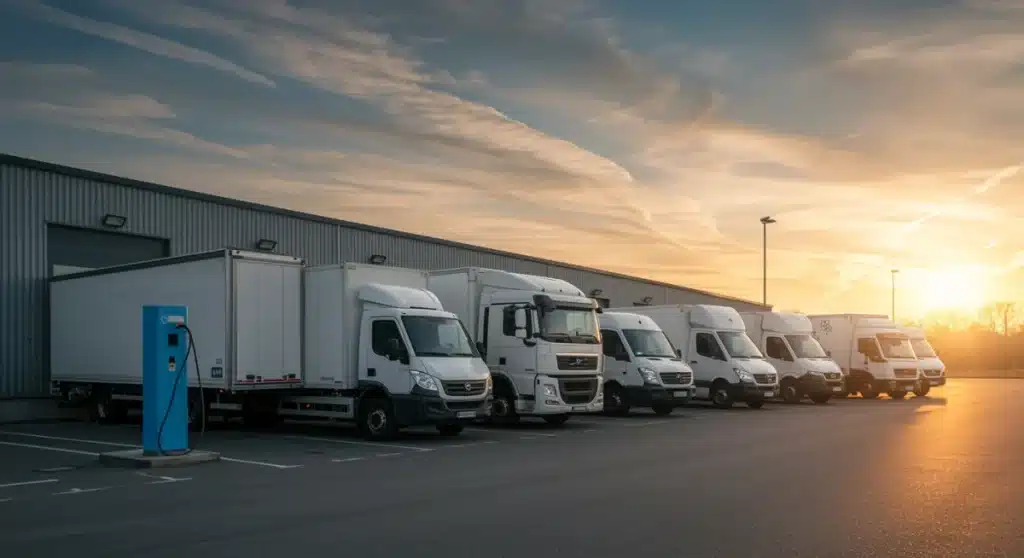
Fleets must implement a proactive 6-month strategy now to align with the stringent 2025 vehicle emission standards, ensuring operational continuity and compliance across all vehicle types.
Adapting to New 2025 Vehicle Emission Standards: A 6-Month Strategy for Fleets (PRACTICAL SOLUTIONS, TIME-SENSITIVE) is no longer a distant concern but an immediate operational imperative for fleet managers across the nation. With critical deadlines fast approaching, understanding and implementing a robust strategy is essential to avoid penalties and maintain efficiency. This report details the urgent steps fleets must take within the next six months to ensure full compliance.
Understanding the New 2025 Emission Mandates
The Environmental Protection Agency (EPA) recently finalized stringent emission standards for light-duty and medium-duty vehicles for model years 2027 through 2032, building upon the existing 2025 mandates. While the most dramatic shifts are slated for later years, the foundational requirements and the trajectory set by the 2025 standards demand immediate attention. These regulations aim to significantly reduce greenhouse gas emissions and other pollutants, pushing fleets towards cleaner technologies and fuels.
The 2025 standards introduce tighter limits on tailpipe emissions, impacting vehicle procurement, maintenance protocols, and operational strategies. Fleets failing to prepare risk substantial fines, operational disruptions, and reputational damage. Proactive engagement with these regulations is not just about compliance; it’s about future-proofing fleet operations in an evolving regulatory landscape.
Key Regulatory Changes for Fleets
Several critical adjustments are set to take effect, directly influencing fleet composition and management. These changes are designed to accelerate the transition to zero-emission vehicles (ZEVs) and improve air quality.
- Tighter NOx and PM Limits: New standards significantly reduce permissible levels of nitrogen oxides (NOx) and particulate matter (PM) for heavy-duty engines, requiring advanced aftertreatment systems or alternative powertrains.
- Increased ZEV Targets: While not a direct mandate for all fleets, the regulatory framework strongly incentivizes the adoption of ZEVs through various programs and credits, signaling a clear direction for future fleet investments.
- Reporting Requirements: Enhanced data collection and reporting on vehicle emissions and fuel consumption will become standard, necessitating robust fleet management software.
Initial Six-Month Fleet Assessment and Planning
The next six months are crucial for fleets to conduct a thorough assessment of their current assets and operational practices against the impending 2025 standards. This period should focus on detailed data collection, risk analysis, and strategic planning. Identifying gaps between current capabilities and future requirements is the first step towards a successful transition.
Begin by compiling an inventory of all vehicles, noting their model year, fuel type, emission control technologies, and typical operational routes. This baseline data is indispensable for making informed decisions about vehicle replacements, upgrades, and alternative fuel considerations. Engage with regulatory experts or industry associations to clarify any ambiguities regarding specific compliance requirements applicable to your fleet’s unique profile.
Conducting a Comprehensive Fleet Audit
A detailed audit will reveal the current state of your fleet’s emission performance and pinpoint areas needing immediate attention. This involves more than just checking vehicle age; it requires an in-depth look at maintenance records and operational efficiency.
- Vehicle Inventory Analysis: Catalog every vehicle, its engine type, and current emission certification. Identify any vehicles nearing end-of-life or those that would be prohibitively expensive to upgrade.
- Maintenance Record Review: Assess the effectiveness of current maintenance programs in keeping emission control systems functional. Look for recurring issues that might indicate systemic problems.
- Operational Route Optimization: Analyze existing routes for inefficiencies that contribute to higher emissions. Consider route optimization software to reduce idling times and mileage.
Exploring Technology Upgrades and Alternative Fuels
With the audit complete, the focus shifts to practical solutions. This involves evaluating available technologies and alternative fuels that can help meet the 2025 standards. The market offers a growing array of options, from advanced diesel engines with improved aftertreatment systems to fully electric or hydrogen-powered vehicles. Each option presents unique benefits and challenges that must be carefully weighed against operational needs and budget constraints.
Engage with vehicle manufacturers and technology providers to understand the latest innovations. Pilot programs for new technologies can offer valuable insights into their performance, reliability, and total cost of ownership before making large-scale investments. Consider the long-term implications of these choices, not just for 2025, but for future regulatory cycles as well.
Implementing Emission Reduction Technologies
For existing vehicles not slated for immediate replacement, several technological upgrades can significantly reduce emissions and aid in compliance. These solutions can extend the life of current assets while meeting new requirements.
- Diesel Particulate Filters (DPFs): Ensure DPFs are regularly maintained and functioning correctly. Consider upgrades to newer, more efficient models if available.
- Selective Catalytic Reduction (SCR) Systems: Verify SCR systems are optimized and that Diesel Exhaust Fluid (DEF) consumption is monitored to ensure proper NOx reduction.
- Engine Repowering: For certain older vehicles, repowering with newer, cleaner engines might be a viable option, though this requires a thorough cost-benefit analysis.
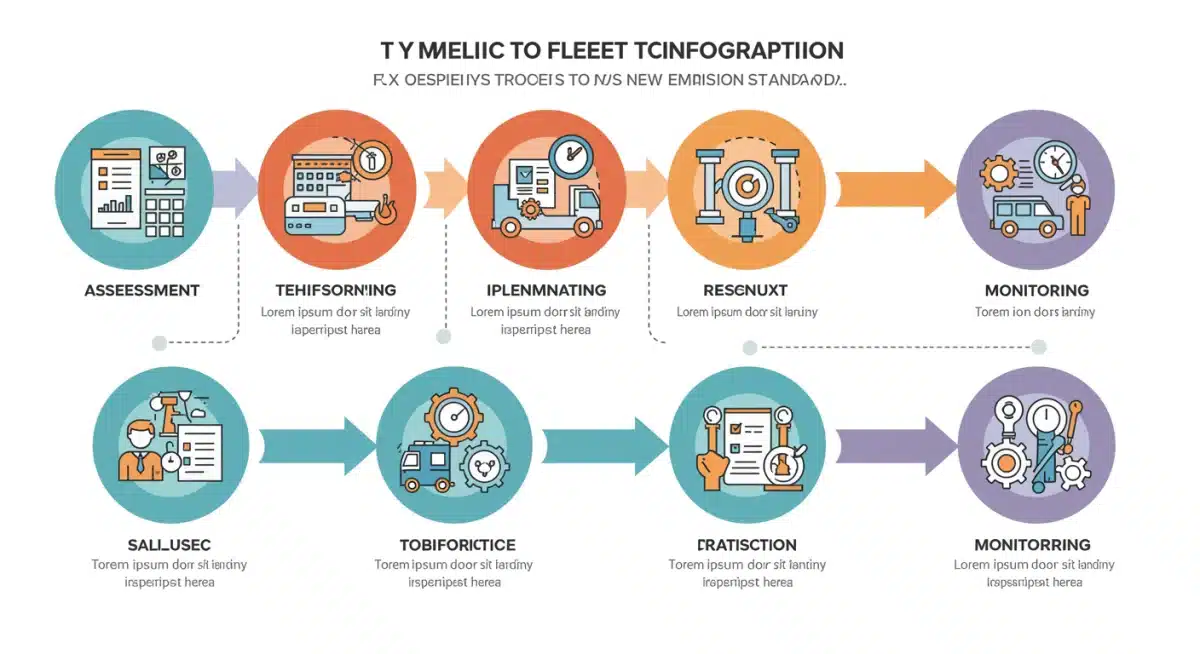
Strategic Vehicle Procurement and Fleet Modernization
A critical component of any 2025 emission standards fleet strategy is the modernization of the fleet through strategic vehicle procurement. This involves identifying which vehicles need to be replaced and determining the most compliant and cost-effective alternatives. The decision to invest in new vehicles should be guided by a clear understanding of both current and future regulatory landscapes, as well as an analysis of total cost of ownership (TCO).
Consider a phased approach to vehicle replacement, prioritizing the oldest and least compliant vehicles first. Evaluate zero-emission vehicle (ZEV) options, such as electric vehicles (EVs) or fuel cell electric vehicles (FCEVs), as part of your long-term strategy. While the initial capital investment for ZEVs can be higher, potential fuel savings, maintenance reductions, and various government incentives can significantly offset these costs over the vehicle’s lifespan.
Financing and Incentive Programs
Exploring available financial incentives and grants is paramount to making fleet modernization economically feasible. Many governments offer programs designed to encourage the adoption of cleaner vehicle technologies.
- Federal Tax Credits: Investigate federal tax credits for purchasing eligible clean vehicles or installing charging infrastructure.
- State and Local Grants: Research state and local grant programs, which often target specific types of fleets or regions for emission reduction initiatives.
- Financing Options: Engage with financial institutions to explore green financing options or leases structured to accommodate new technology adoption.
Driver Training and Operational Best Practices
Technology alone will not ensure compliance; driver behavior and operational practices play a significant role in emission reduction. Implementing comprehensive driver training programs focused on eco-driving techniques can lead to immediate and measurable reductions in fuel consumption and emissions. This includes proper acceleration, deceleration, gear shifting, and minimizing idling times.
Beyond driver training, establish operational best practices that support emission goals. This might involve optimizing delivery schedules to avoid peak traffic, implementing telematics systems to monitor driving behavior and vehicle performance, and ensuring proper tire inflation. A holistic approach that combines technological upgrades with optimized human and operational elements will yield the best results for adapting to new 2025 vehicle emission standards.
Key Training and Operational Focus Areas
Effective training programs should cover multiple aspects of vehicle operation and maintenance to maximize emission reductions.
- Eco-Driving Techniques: Educate drivers on techniques that reduce fuel consumption and emissions, such as smooth acceleration, anticipating stops, and maintaining consistent speeds.
- Vehicle Idling Policies: Implement and enforce strict anti-idling policies, particularly in urban areas or during loading/unloading operations.
- Pre-Trip Inspections: Emphasize thorough pre-trip inspections to identify and address minor issues before they escalate into emission-impacting problems.
Monitoring, Reporting, and Continuous Improvement
The final, ongoing phase of adapting to the 2025 emission standards involves continuous monitoring, robust reporting, and a commitment to iterative improvement. Compliance is not a one-time event but a continuous process that requires vigilance and adaptability. Implement telematics and fleet management software that can track key performance indicators (KPIs) related to emissions, fuel efficiency, and vehicle health.
Regularly review performance data to identify trends, pinpoint areas for further improvement, and ensure ongoing compliance. Prepare for potential audits by maintaining meticulous records of vehicle specifications, maintenance, fuel purchases, and emission test results. Establish a feedback loop where insights from monitoring inform future training programs, procurement decisions, and policy adjustments, ensuring your fleet remains compliant and efficient in the long run.
Establishing a Robust Compliance Framework
A well-defined framework for compliance ensures that all aspects of fleet operations align with the new regulations. This framework should be dynamic and adaptable to future changes.
- Data Analytics and Telematics: Utilize advanced telematics systems to collect real-time data on vehicle performance, fuel consumption, and emission levels.
- Regular Performance Reviews: Conduct quarterly or semi-annual reviews of fleet emission data and operational efficiency to track progress against targets.
- Internal Audits and Training Refreshers: Periodically conduct internal audits to ensure adherence to new protocols and provide refresher training for drivers and maintenance staff.
| Key Point | Brief Description |
|---|---|
| Initial Assessment | Conduct a thorough audit of current fleet vehicles, emissions, and operational practices against 2025 standards. |
| Technology & Fuels | Evaluate and invest in emission reduction technologies or alternative fuel vehicles to meet new mandates. |
| Driver Training | Implement eco-driving training and anti-idling policies to reduce fuel consumption and emissions. |
| Monitoring & Reporting | Utilize telematics for continuous tracking of emissions and maintain meticulous records for compliance. |
Frequently Asked Questions About 2025 Emission Standards
The 2025 standards primarily tighten limits on NOx and particulate matter (PM) for heavy-duty engines, building on existing regulations. They also incentivize zero-emission vehicle (ZEV) adoption and introduce more rigorous reporting requirements, pushing fleets towards cleaner operational practices and advanced technologies.
A 6-month strategy is critical because the 2025 standards are imminent. It allows fleets sufficient time for comprehensive audits, technology evaluation, procurement planning, and driver training. Proactive adaptation minimizes disruption, avoids costly penalties, and ensures a smooth transition to compliant operations before deadlines hit.
While all vehicle classes are influenced, heavy-duty diesel trucks and medium-duty commercial vehicles are particularly affected due to stricter NOx and PM limits. Fleets operating these vehicles will need to focus on advanced aftertreatment systems, engine upgrades, or transitioning to alternative powertrains like electric or hydrogen.
Yes, numerous federal, state, and local programs offer financial incentives. These can include tax credits for clean vehicle purchases, grants for charging infrastructure, and subsidies for adopting alternative fuels. Fleets should actively research and apply for these programs to offset the costs of modernization.
Driver behavior significantly impacts emissions. Eco-driving techniques, such as smooth acceleration and minimal idling, directly reduce fuel consumption and pollutants. Comprehensive driver training, coupled with telematics monitoring, ensures that operational practices align with emission reduction goals, complementing technological upgrades.
What Happens Next
The implementation of the 2025 vehicle emission standards marks a significant turning point for the transportation sector. As fleets continue their 6-month preparations, the focus will increasingly shift from planning to execution. Expect to see a surge in demand for compliant vehicles and advanced emission control technologies. Industry analysts project further regulatory refinements and expanded incentive programs as the EPA monitors the initial impact of these standards. Fleets that have proactively developed and begun to implement their adaptation strategies will be better positioned to navigate these evolving requirements, maintaining operational continuity and competitiveness in a rapidly greening economy.